




 Português
  English (UK)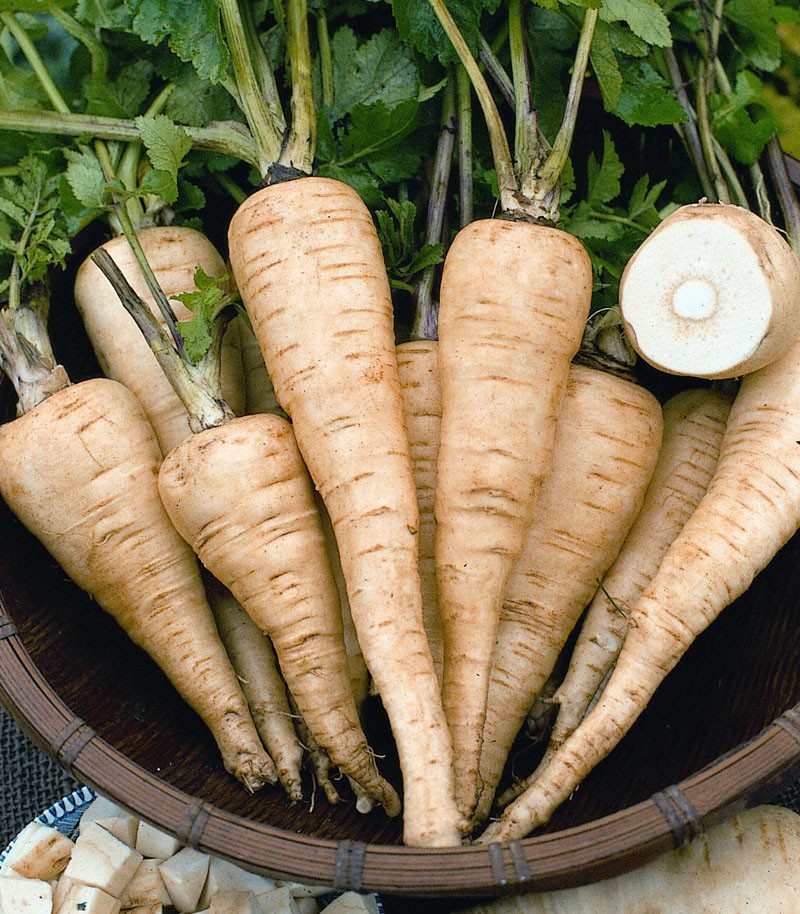
Description (dimensions, color, aroma, texture): The Cherovia is a root that has the shape of a carrot and the color of a turnip. Its flavor is a mixture of both vegetables, but more pronounced and even sweet. It is a unique and extremely pleasant flavor. The Cherovia represents a tuber with which Covilhã and its Municipality are identified. The vast production is only possible in "lands of Covilhã", which makes it an ex-libris of the local gastronomy, and can be presented in the most diverse ways.
Delimitation of the geographical area of production: Beira Baixa (Covilhã).
Product history: Cherovia (Pastinaca sativa), also known as cherivia, cheruvia or parsnip. Parsnip is a plant belonging to the Apiaceae family, Angiosperm plants (flowering plants). Carrots, parsley, celery, coriander and fennel also belong to this family.
Anyone who discovers parsnip quickly falls in love with this vegetable, easy to prepare and simple to use in the kitchen, from soup, salads, sautéed vegetables, fried, puree, etc... Its intense flavor, very pleasant, wanders through the palates of parsley and carrot, although more intense and there are those who say that its aroma has something similar to the smell of coconut.
The cultivation of parsnip dates back to Eurasian times, before the use of the potato, which took its place. It is curious to analyze this fact, because the introduction of potatoes on Fri. The sixteenth century by the Spaniards in Europe progressively took away space for parsnip in our diet. This is certainly not unrelated to the fact that potatoes are a more productive crop.
In nutritional terms, parsnip turns out to be richer in vitamins and minerals than carrots, and stands out essentially for the amount of potassium, phosphorus, vitamin A, vitamin B and even some caloric value.
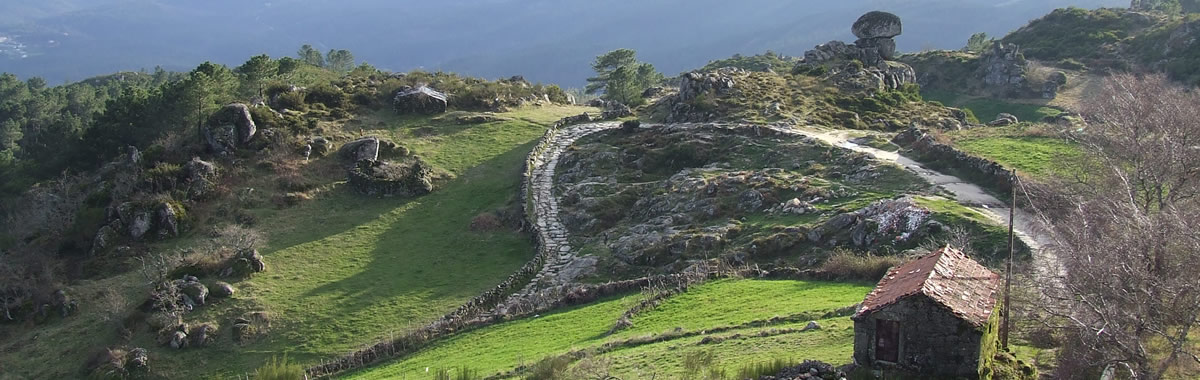
Traditionally, parsnip in Portugal is cultivated in the Serra da Estrela area, although it is possible to cultivate it in other areas of the country. This plant however does not grow in hot climates and needs frost to develop its flavor. Due to the type of root it is, parsnip prefers sandy and/or silty soils. Clayey or stony soils hinder its growth, causing deformed and small roots.
Origin: Parsnip (Pastinaca sativa) is a root that is used as a vegetable, related to carrots, although paler and with a more intense flavor than carrots.
Cultivation dates back to ancient times in Eurasia: before the use of potatoes, parsnip took its place. In Portugal, it is grown in the Serra da Estrela region. It was scientifically identified in 1837.
Parsnip L.: A Plant to Discover: Reduced biodiversity poses a threat not only to spontaneous flora but also to cultivated species. Thousands of regional varieties have disappeared in the name of more productive agriculture.
Current eating habits, often typified in fast food, promote the development of new pathologies aggravated by a sedentary lifestyle. New habits and new species will help prevent disease and promote health.
Parsnip, a spontaneous umbeliferous, will be able to come out of anonymity and respond to the new needs that are arising in the various social domains.
