

 Português
  English (UK)
Definition of the geographical area of production: Graciosa Island, Azores.
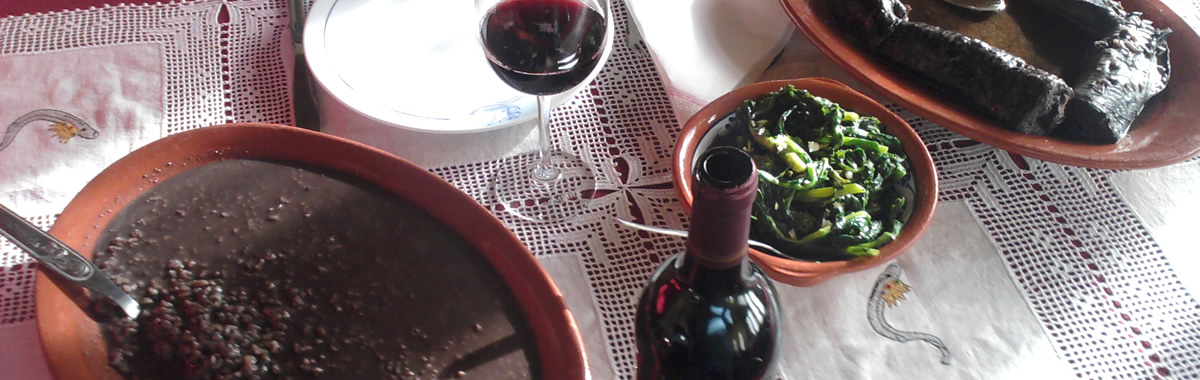
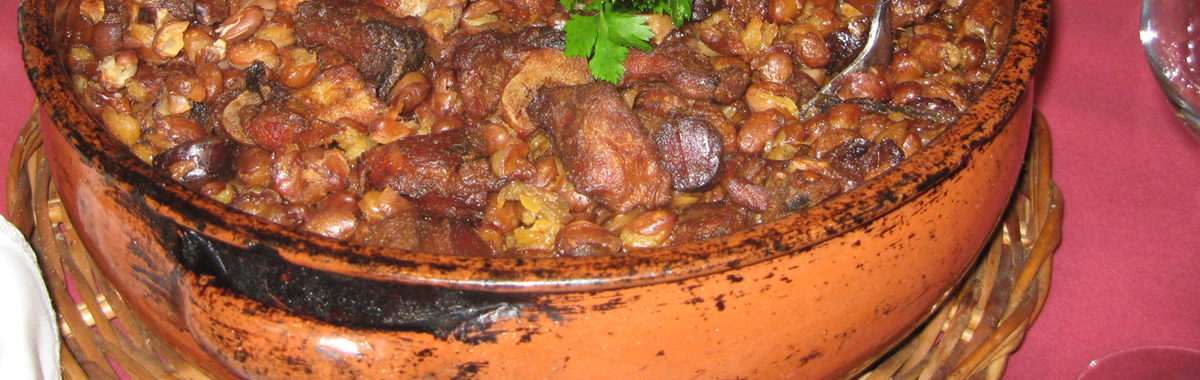
Ingredients used: 2 kg of beef (breast); 1 chicken (or two chickens); 500 g of beef liver; 250 g of curdled cow's blood; 3 cloves of garlic; 2 onions; 1 large sprig of mint; 1 cinnamon stick; 1 tablespoon of chili paste; 1 medium cabbage; 1 tablespoon of lard or butter; 1 large wheat bread (hard); 1 ladle of rump sauce; salt.
Preparation: Make a doll by pouring the garlic cloves, the quartered onions, the mint, the cinnamon stick and the chilli dough on a cloth. You tie it with a twine and dip it in the water for the soup that is already seasoned with salt. Bring it to a boil and when it boils, add the meat and chicken and let them cook. (Replacing the chicken with chickens, these should join when the meat is practically cooked).
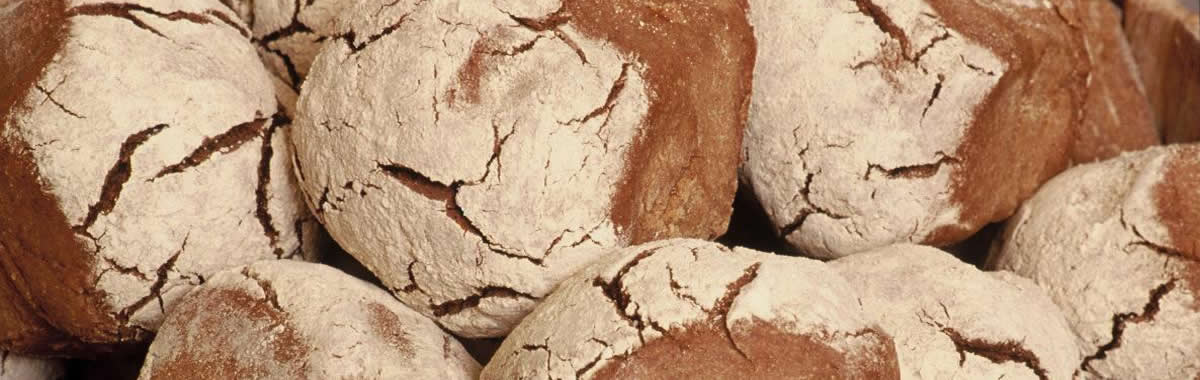
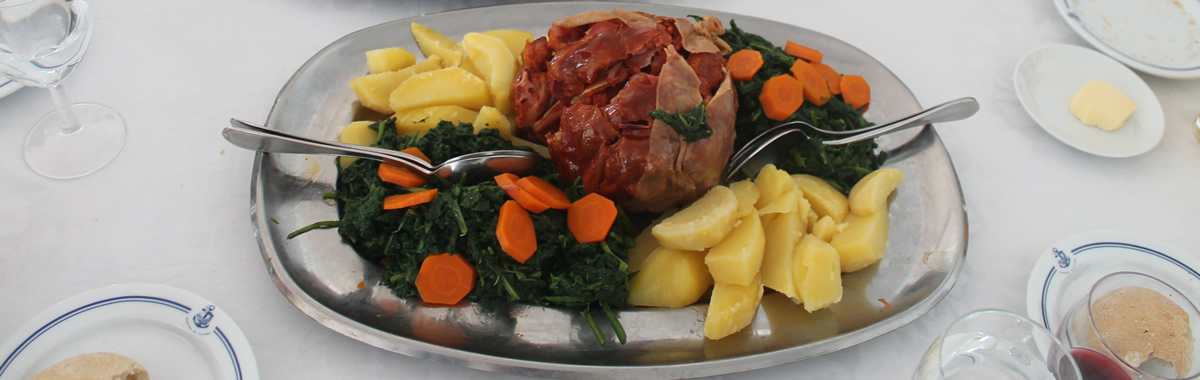
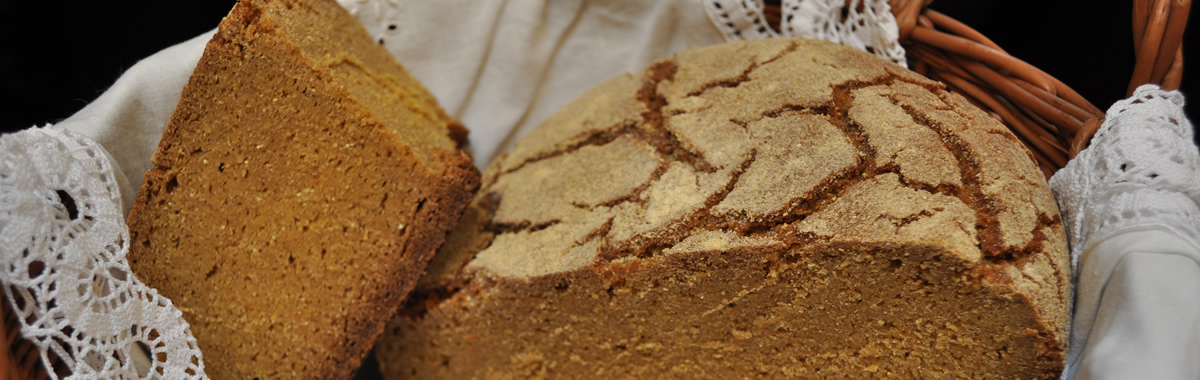
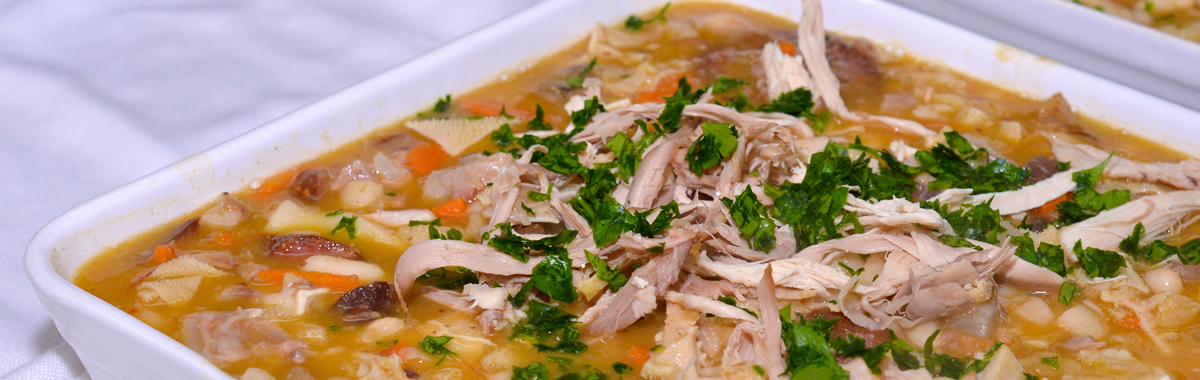
Once the meats are cooked, add the cabbage cut into the quarters and the lard and continue to cook. Separately and in separate containers, the whole liver morsel and blood are boiled in water. The bread is cut in half, horizontally, and then in four or five pieces (each half), vertically. Place this bread (with the crumb facing up) in a bowl. A sprig of mint is placed on top and drizzled with a ladle of rump sauce. Spread the cabbage, a few small slices of liver and blood on top and drizzle everything with a little broth. Cover, and a few minutes later drask with the remaining broth. The soup is covered with a linen towel and muffled with blankets, remaining so for about two to three hours. Once the soup is eaten, the meat, the chicken and what is left of the liver and blood are eaten. This soup is always served at the Functions (festivals) of the Holy Spirit, followed by the rump with kneaded dough or with table bread, depending on the par-ishes.
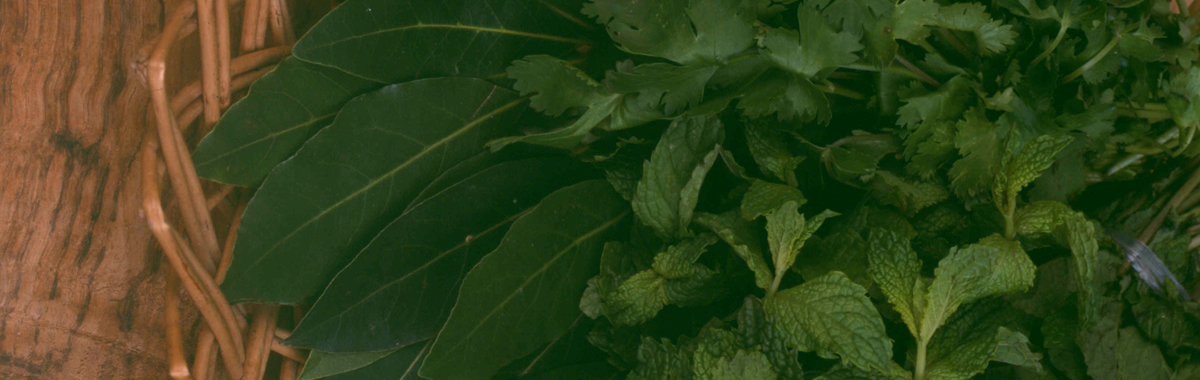
Know-how: Made with beef broth, seasoned with salt, bay leaf, mint, clove stick, pepper and rump sauce. He takes bread (water bread) cut with a knife into thick chunks and a few cabbage leaves. It is cooked in large cauldrons, in the open air, on iron trivets or simple stones, conveniently arranged next to a wall to divert the fire from the wind. It is served in large clay tableware bowls.
History: The Azorean cult of the Divine Holy Spirit would have eradicated from tomar where there are sure news of its existence, in the fourteenth and fifteenth centuries. Another relevant center was Alenquer where, in the early years of the fourteenth century, Queen Santa Isabel introduced the first celebration of the empire of the divine Holy Spirit, probably influenced by spiritualist Franciscans, who founded the first Franciscan convent in Portugal there. From then on, the cult would have expanded, first to the rest of Portugal and then accompanying the Portuguese in the expansion of the Discoveries. The new lands discovered, directly subordinated to the prior of Tomar and later to the archbishopric of Funchal and the new bishopric of Angra, were under the religious orientation of the Order of Christ, which was responsible for appointing the clergy and supervising their religious development. In this context, references to the cult of the Holy Spirit are a common reality throughout the archipelago, where the existence of Brotherhoods of the Divine is already registered, with the bodo and distribution of meat, bread and wine, in the mid-sixteenth century. Between the various islands, and between these with the world. With the Azorean emigration, the cult was taken to Brazil in the eighteenth century, mainly to Rio de Janeiro and later to the USA. But what in fact characterizes the Holy Spirit Festivals, is their religious/profane aspect of solidarity, marked by gastronomy, in the "Function" note. This varies from island to island, from empire to empire, even on the same island. The Holy Spirit festivals, which have their origin in the donation of food to the poor made by Isabel of Aragon (1271-1336), were introduced by the Portuguese on the island to protect the inhabitants from natural disasters. Traditionally, they take place on Sundays, for seven weeks after Easter. These festivals, especially celebrated on Terceira Island, mix dances, floral arrangements and the coronation of a child, who presides over the ceremonies. On the last day (i.e., the seventh Sun-day), the soup of the Holy Spirit is prepared and distributed to the public. It is made of beef and chicken cooked in a broth that includes garlic, onion, mint, cinnamon, chili pepper, cabbage and lard. The soup and a preparation of beef liver cooked in blood are served on layers of bread. This occurs in the Impérios, small masonry constructions where part of the festival takes place and the emblems of the celebration are exposed. On Terceira Island, there are 58 em-pires, which are usually painted in the bright colors of spring.
