






 Português
  English (UK)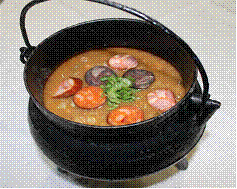
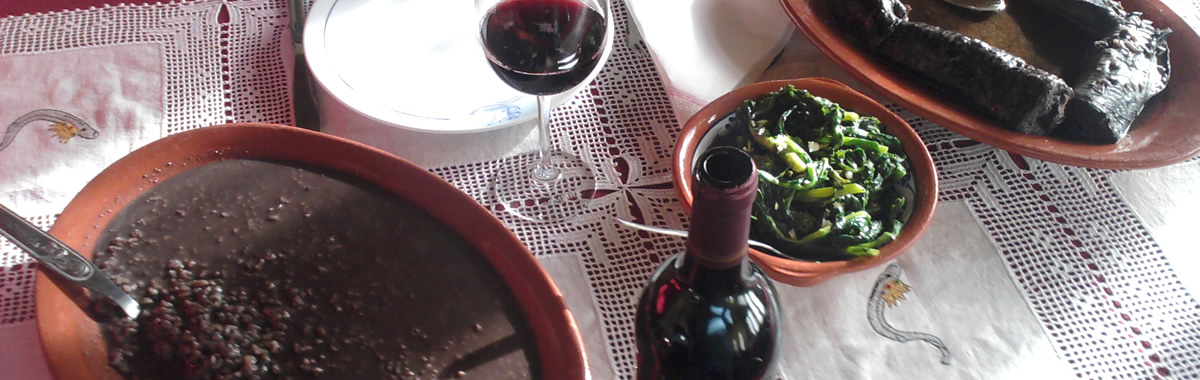
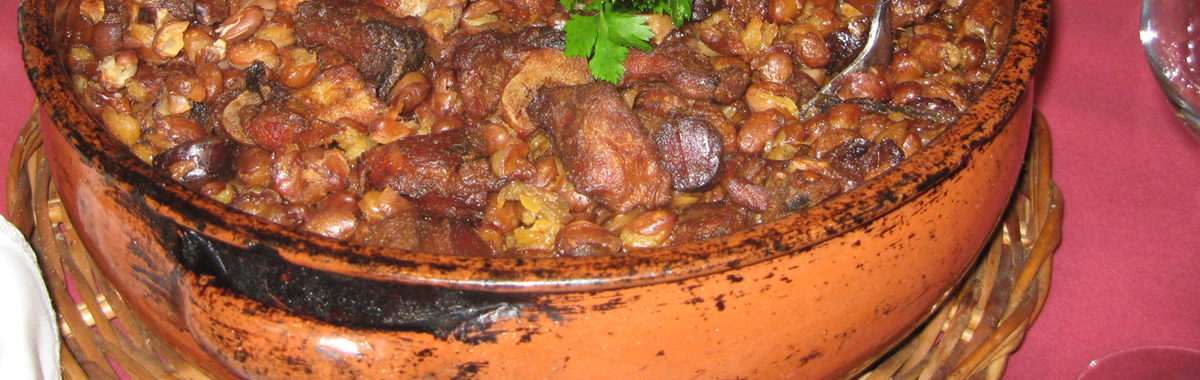
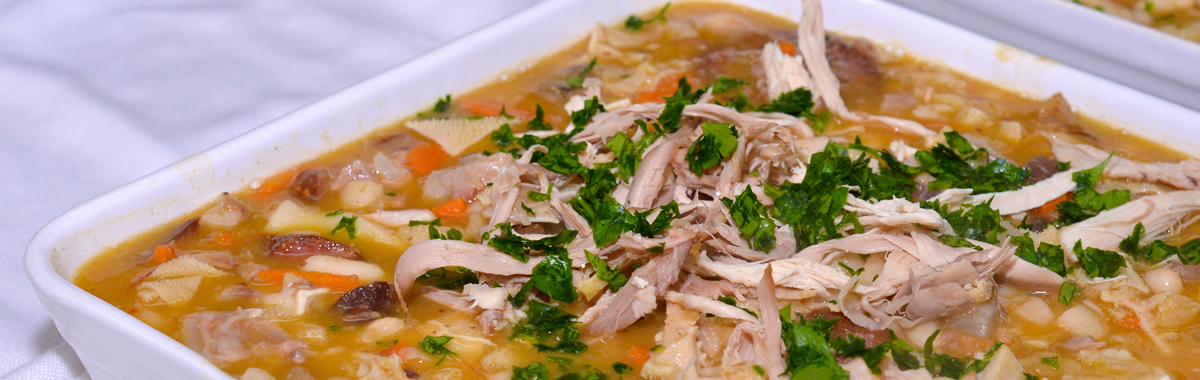
Description: The "Sopa da Pedra de Almeirim" is a specialty cooked with vegetables, namely beans and potatoes, and pork (chispes, cheeks, bacon and sausages). It is the result of a method of production, which corresponds to a traditional practice for obtaining this foodstuff.
Production method:
Raw materialsThe raw materials and auxiliary ingredients used to obtain the product "Sopa da Pedra de Almeirim" are the following (for an indicative quantity of 50 liters):
- Dried Santa Catarina beans (about 6 kg)
- Pork chorizo (about 7 units)
- Blood black pudding (about 7 units)
- Farinheira (about 9 units)
- Chispes and/or pork cheeks (20 kg, on average)
- Cured bacon (on average, 1 kg)
- Potatoes (about 20 kg)
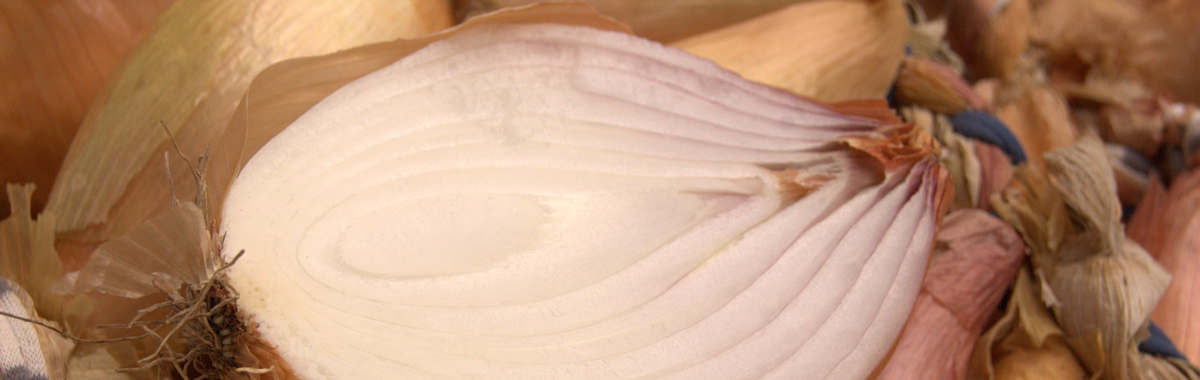
- Onion - (about 3 kg)
- Coriander - to taste b., before and after cooking
- Garlic - to taste
- Bay leaf - to taste
- Pepper - to taste
- Paprika and/or red pepper paste - to taste
- Olive oil and/or lard (about 2 dl)
- Water (the amount necessary to make the indicated amount of the product)
- Salt, to taste.
Preparation
The chispes are salted the day before, and then, immediately before the hard cooking phase, rinsed with water to remove excess salt. Likewise, dried catarino beans should be soaked in advance or, alternatively, rinsed with water before being placed in the pan. The onions are finely chopped, as are the garlic. The potatoes are broken into small cubes.
Cooking
Start by adding water to the pan, to which the beans, onion, garlic, paprika and/or red pepper paste, pepper, bay leaf are added and, if so chosen, other seasonings are added, such as coriander, olive oil or lard (not necessarily in this order). The ingredients are placed in the pan, without sautéing, cold. Then, the chispes, faceiras and bacon are added, as well as the sausages. The farinheiras can be added at a later stage, when the chispes and the catharino beans are almost cooked. There are even those who choose to cook the farinheiras separately, so that they do not open. After everything is cooked, the meats and sausages are removed. When cooled, they are cut, into small pieces and slices, respectively. To the broth that remains in the pan and continues to cook, the potatoes are added, cut into small irregular cubes. At this point, if necessary, the seasonings are rectified. After the potato is cooked, the heat is turned off. The soup must be 'rested' so that the beans produce the so-called 'cream', in order to thicken the broth. The potato should also be crumbled as soon as possible (to taste), leaving the small cubes irregular with the 'polished edges', rounded, also thickening the broth. In this way, it is ensured that all the ingredients are 'connected' to each other, making the soup soft and velvety.
Special characteristics:
Physical characteristics
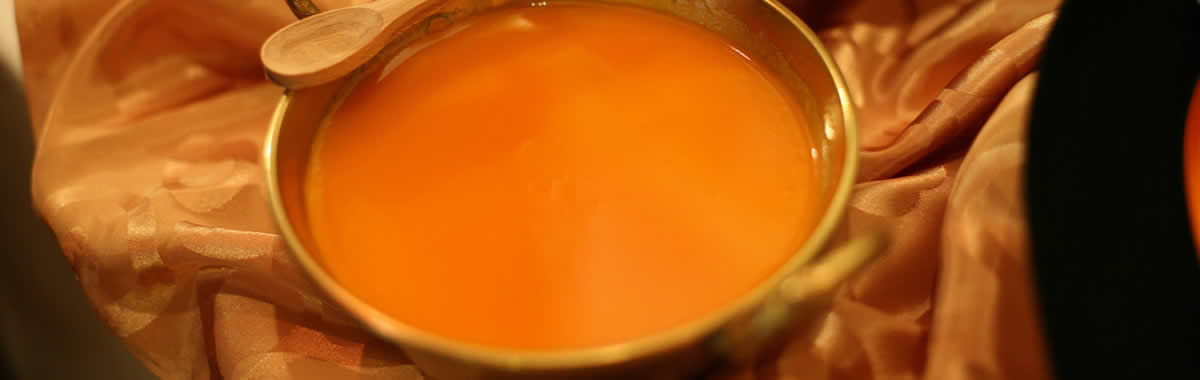
The "Sopa da Pedra de Almeirim" presents itself as a thick and irregular broth due to the presence of ingredients such as beans, potatoes and sausages. These physical characteristics are responsible for the baptismal name of this dish, since it is reminiscent of the stones that pave the oldest streets of Almeirim.Organoleptic propertiesThe color of the broth is reddish-brown, pointed, irregularly shaped, by the different ingredients that make it up, including sausages, meats, potatoes and coriander. Being a hearty soup, which goes through a long cooking process and a waiting time that allows the absorption and mixing of the taste of all the ingredients, it has a specific and intense flavor and smell, like sausages and beans. Also for this reason, its texture is soft, since the ingredients are well cooked and integrated into the broth. The beans produce a kind of 'cream' that thickens the broth and produces a concentrate, in the same way that the small cubes of potatoes also lend a thicker consistency to the soup.
History: These are precisely the ingredients of the well-known "Sopa da Pedra de Almeirim" – although the recipe could differ from family to family. Beans, potatoes were planted and pork meat was preserved in salting pans and sausages were produced. In general, these products were the basis of the traditional soup of this region, very nutritious and great for regaining the strength required by heavy agricultural work. Also because it was rich, containing pork, bacon and sausages, it was worth as a complete meal. "This recipe, with popular roots, is a categorical part of the popular culture of Almeirim", says historian Eurico Henriques. It was only much later, in the early 1960s, that the recipe was renamed "Sopa da Pedra de Almeirim". This name of 'baptism', given in comparison to the stones that formed the pavement of the oldest roads in this Ribatejo city, came to designate commercially a traditional recipe for rural soup that, by word of mouth, gained fame and began to attract visitors to the village, coming only to taste this dish.
Product specifications (pdf)
Producer group
ARSOPADAPEDRA -Associação de Restaurantes de Sopa da Pedra
Control and Certification Body
Kiwa Sativa - Unipessoal, Lda.
Control plan
Control plan (pdf)
