







 Português
  English (UK)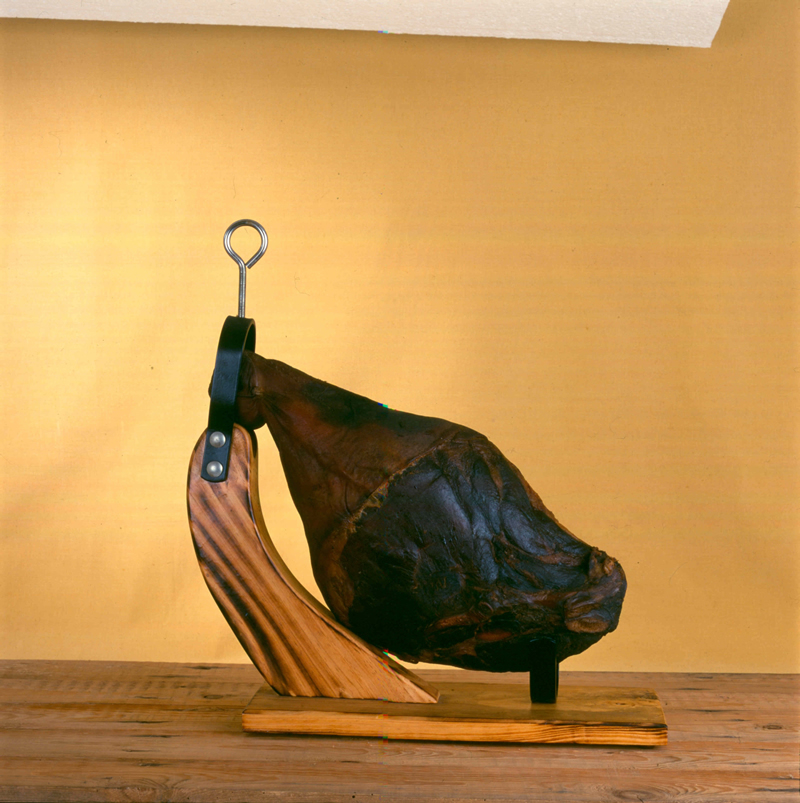
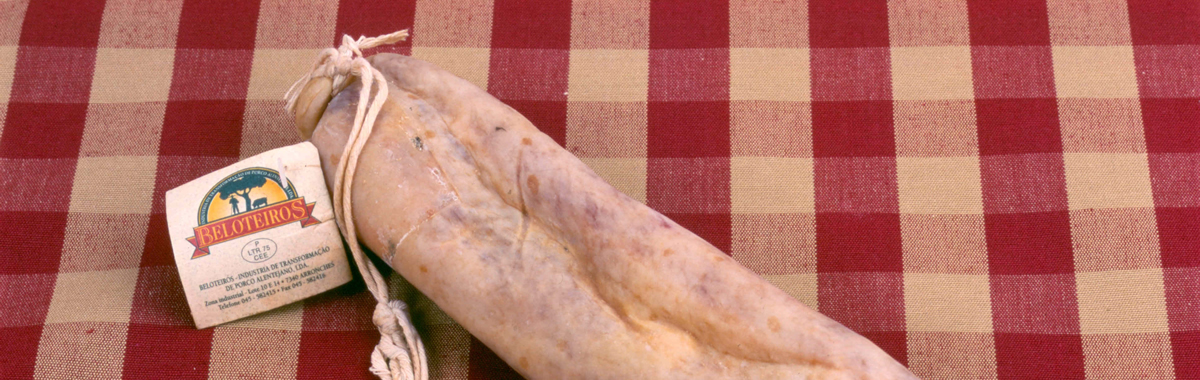
Description: Pork legs are cured after being spread with paprika, pepper, ash or flour.
Region: North.
Particularity: Pork leg after being trimmed with a specific cut (without horn and with coxal), salted, smoked and cured.
History: In Trás-os-Montes and in the mountain areas ham has always been known. It is part of the daily life of the populations of the villages to slaughter the pig and all the use that is made of it (hams, sausages, sausages, etc.). In these mountain areas, due to their colder climate, there are optimal conditions for curing such a large piece of meat. The ham is hung all year round and slices are taken from there to the delight of local families and their guests. There is a close relationship between the final quality of the ham and the pig's diet, and in this region the nut is very important. The traditional Ham Fair of S. João da Corveira (Carrazeda de Montenegro - Valpaços) functioned for a long time as a stock market where the price of this product per kilogram was established. The sale of ham was an important source of income for rural families. Eça de Queiroz mentions the ham in the «bodo grandioso» on his return to Tormes, in his book A Cidade e as Serras. Miguel Torga, in his text A Wonderful Kingdom, expressly mentions ham as one of the elements of what he calls the «Traditional Trinity of the Kingdom», namely: ham, alheira and salpicão. António Costa, in his work The Municipality of Murça. Patchwork for its History, says: «... the ancient fame of the hams of Murça that comes at least from the beginning of the nineteenth century...». Ham is also mentioned by Rebelo da Silva, in 1959. The long tradi-tion of this product has earned the toponymy of a bridge (Roman for some, medieval for others) over the river Ôlo, in Ermelo - The «Ham Bridge».
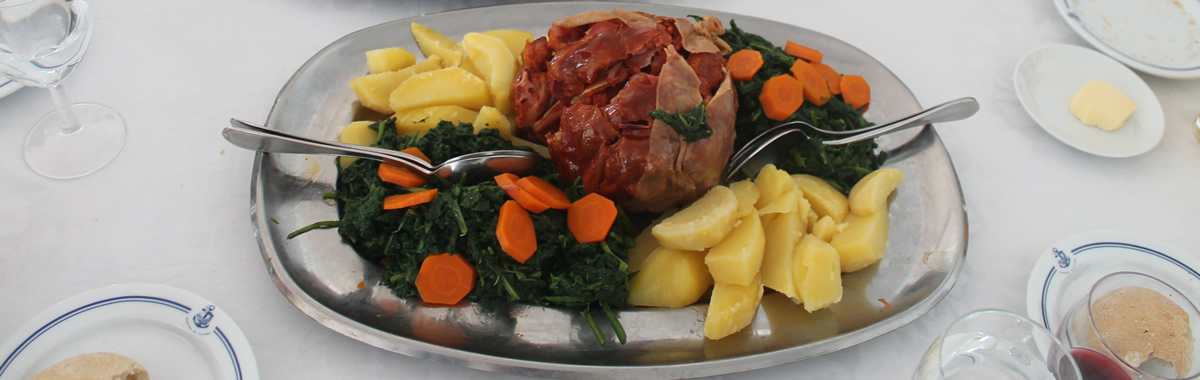
Use: Much appreciated as an aperitif, with melon, it can be a meal when accompanied by bread and wine. In addition to direct consumption, it also comes as a raw material in the confection of various products of traditional gastronomy (tripe, meat ball, folar, etc.).
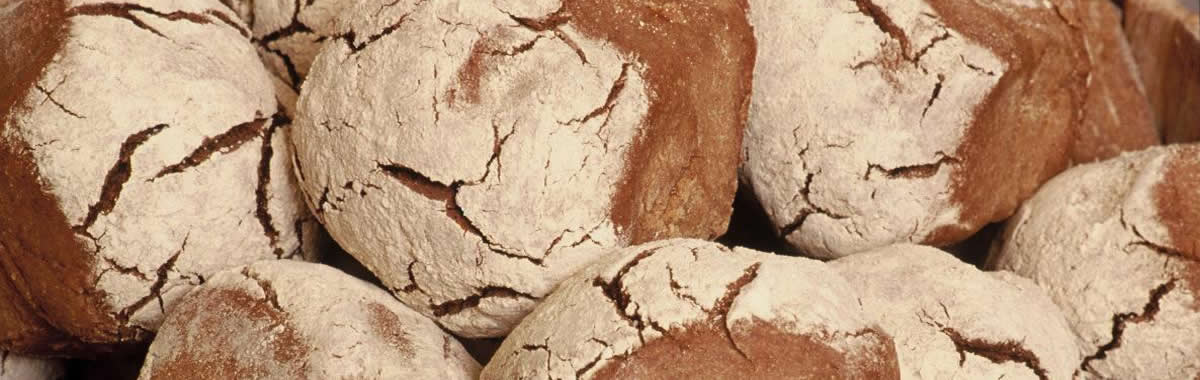
Know-how: The pork legs are trimmed with the traditional cut after cutting the carcass, drained and rubbed with salt that many producers mix with wine and garlic. They are covered in salt for several days (20 to 45 days), depending on the weight, in places with low temperatures. After removing the excess salt dry, with water and wine, they go to the traditional smokehouse for several days at low temperature. They are spread with paprika, ash or flour and stored in cool, dark places for a few months, until they obtain good organoleptic and conservation characteristics. They are sold smoked or spread with paprika.
Source: Produtos Tradicionais Portugueses, Lisboa, DGDR, 2001
