





 Português
  English (UK)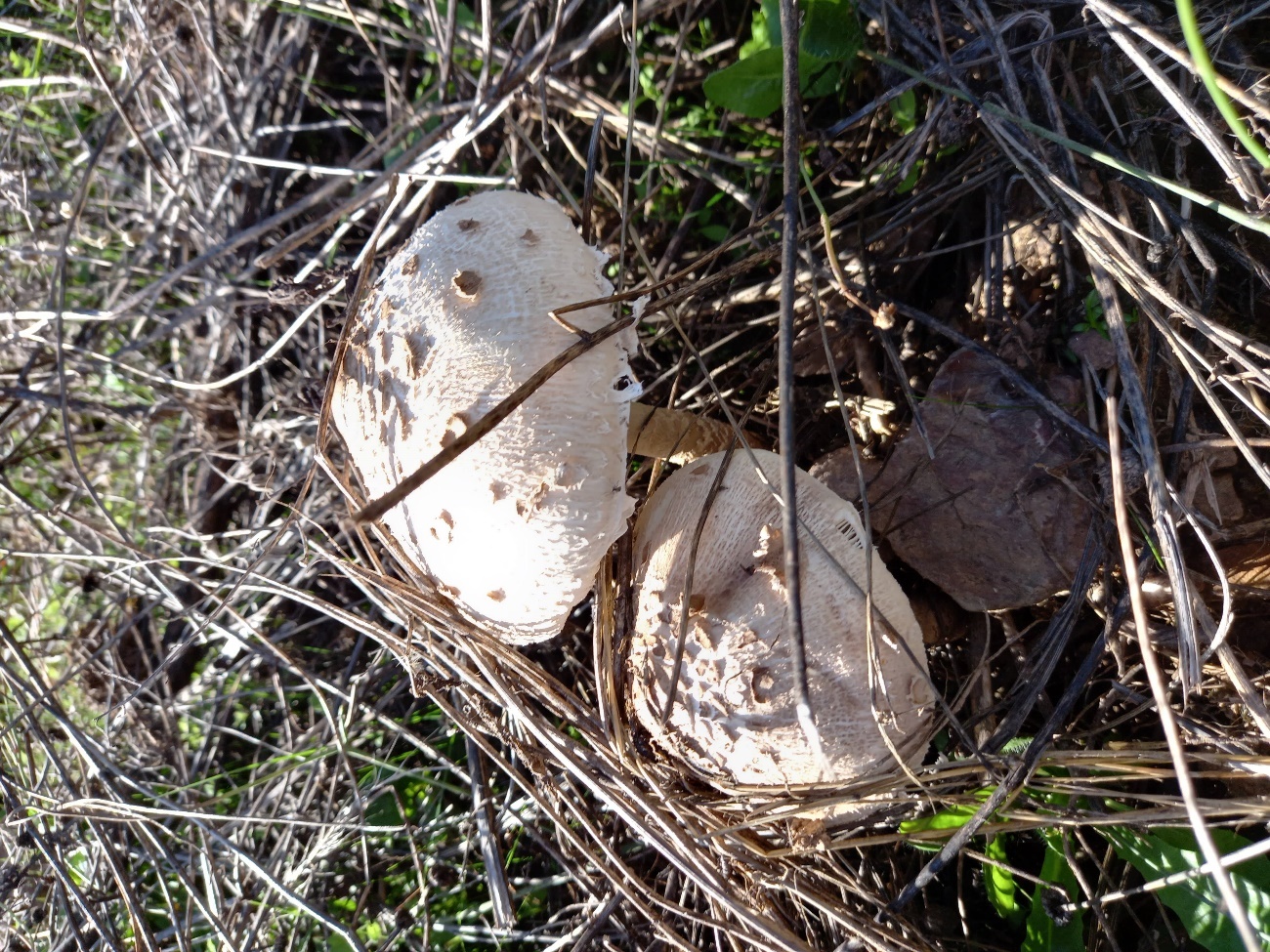
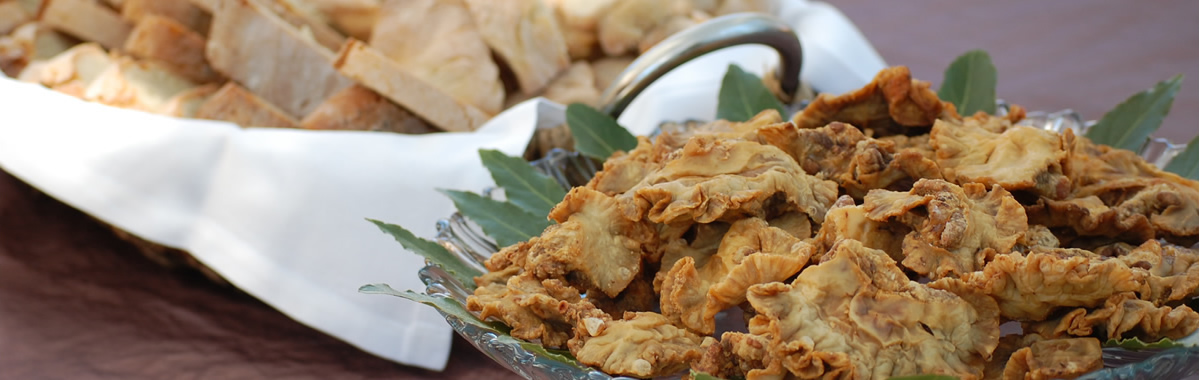
Special characteristics: Mushrooms are generally accompanied by game dishes, which is abundant in the region, however, in poor houses they most often play the role of meat in a meal.
Region: Trás-os-Montes and Alto Douro.
Ingredients Used: They can be used alone or in dishes composed of other ingredients (variable depending on the recipe).
Preparation: Edible mushrooms can be prepared in different ways: whole or sliced/sliced and eaten raw or normally cooked - grilled, roasted, stewed or fried (depending on the variety) alone or in dishes composed of other ingredients.
Know-how: The harvest and consumption of wild mushrooms is very old. The harvesting of wild mushrooms is a very relevant step, since it should be carried out only by those who know the species well or under the guidance of someone who knows them and can distinguish edible species from inedible ones. After harvesting, mushrooms can be prepared in different ways.
Forms of Marketing: These are seasonal products, which are usually sold fresh in bulk or sold in various culinary preparations (regional cuisine).
Product availability throughout the year: The availability of wild mushrooms varies from late summer to the spring months (1) and (2).
Product history: The consumption of wild mushrooms is very old all over the world, for example, in ancient Greece their gastronomic properties were already known and numerous species of this fungus were harvested. The Romans were also well versed in its gastronomic, medicinal and toxic properties (3).
As soon as the summer ends, with autumn, the delicious wild mushrooms appear in Trás-os-Montes, which on any table in Trás-os-Montes become the main dish. It is said in the region that in the time of mushrooms there are no bad cooks.
Regarding the use of Mushrooms in the Gastronomy of Trás-os-Montes, there are several references in gastronomy books or publications. In the 1982 book Cozinha Tradicional Portuguesa (Trás-os-Montes e Alto Douro), Maria de Lourdes Modesto mentions that mushrooms are generally accompanied by game dishes, which is abundant in the region, however, in poor houses they most often play the role of meat in a meal. The most common and appreciated are those here called friars or roques (commonly known as "parasols" and "febras" Lepiota procera), the Cardielos or chanterelles (better known throughout the country as míscaros or cockcombs: cantharelus cibarius), the pinheiras (commonly known as amanita-dos-césares, amanita-laranja and amrea-de-ovo: Amanita caesaria) and also the famous cepes: Boletus edulis.
Representativeness in local food: Consumed as a starter, snacks, main course or side dish throughout the region of Trás-os-Montes and Alto-Douro.
Other documentary elements (written, photographic, videographic, etc.):
(1) DGADR e ICNF (2013) - "Manual de Boas Práticas de colheita e consumo de Cogumelos Silvestres", Edição Direção-Geral de Agricultura e Desenvolvimento Rural, 1st edition, July.
(3) The Cambridge World History of Food, Volume 1, edited by Ken-neth F. Kiple; Kriemhild Coneè Ornelas, Cambridge University Press.
MODESTO, Maria de Lourdes (1982) - Cozinha Tradicional Portuguesa - Editorial Verbo, Lisboa/São Paulo.
Site da Associação de Cozinheiros Profissionais de Portugal - MLM - Trás-os-Montes e Alto Douro
"Guia de Campo Cogumelos Silvestres". FPFP - Federação dos Produtores Florestais de Portugal, Lisboa, fevereiro de 2008.
Cogumelos Silvestres (Cont.) Folha Viva, Jornal dos Clubes da Floresta do Projeto Prosepe, Floresta ConVidanº 32, Ano VIII, julho/setembro 2005.
Cogumelos silvestres comestíveis: problemática atual e medidas para o aproveitamento sustentável - Guilhermina Marques - CEGE - Universidade de Trás-os-Montes e Alto Douro, Dep. de Indústrias Alimentares, apartado 1013, 5000-911 Vila Real.
Source of registration: Douro Superior – Development Association.
