










 Português
  English (UK)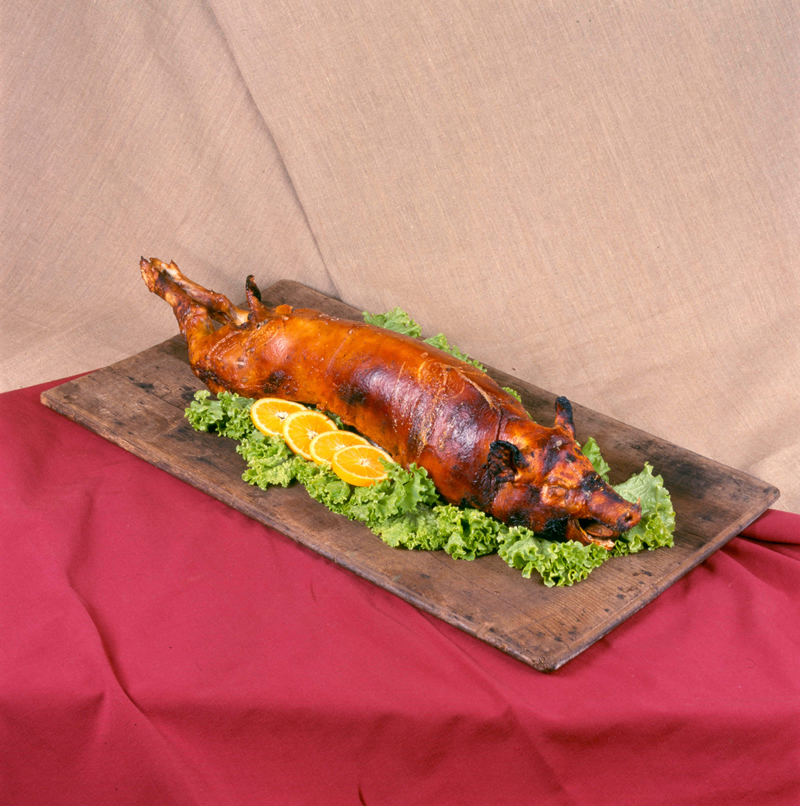
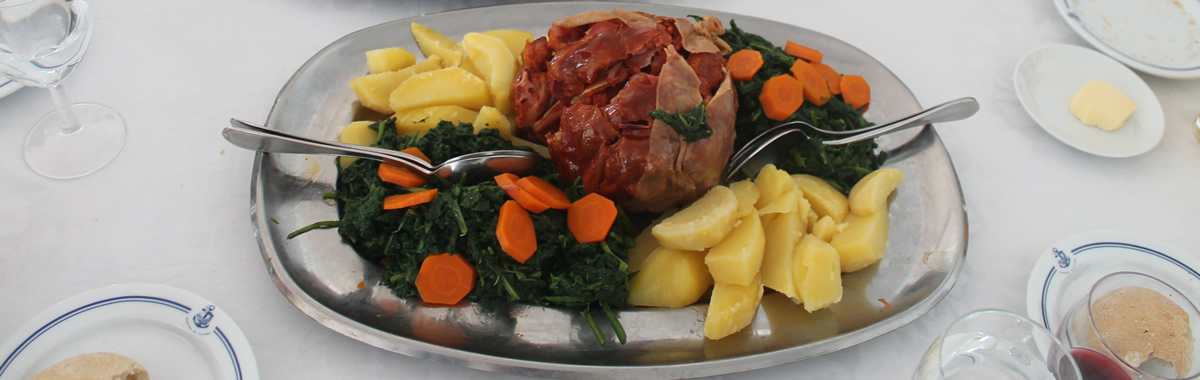
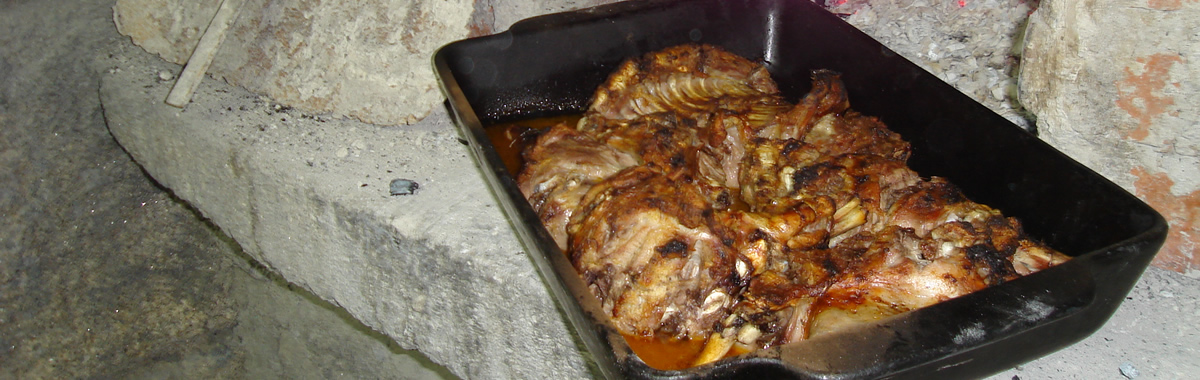
Description: Piglet roasted whole in a wood-fired oven heated with vine wood, skewered on a spit. It presents with crispy and glazed skin, due to the particular way of diaper rash.
Region: Center.
Special feature: Small suckling pig (8 to 10 kg body weight), slender, unpresented and low in fat, seasoned and roasted in the traditional way.
History: There is a theory that attributes the beginning of the roast piglet business to a certain Ti Marcelino who, coming from Brazil, at the beginning of this century, dedicated himself to the confection and sale (done door to door and at fairs) of roast suckling pig. He was succeeded by his apprentice, António de Almeida, O Morcego, who would expand the business in the municipality of Águeda. However, there are others who guarantee that it was thanks to the activity of Carlos Mega and later Álvaro Pedro that they publicized the commercialization of the suckling pig in the municipality of Mealhada. But Pedro da Costa draws attention to a conventual manuscript from the eighteenth century (1743), entitled Caderno Refeitório, where reference is made to a recipe for roast suckling pig that differs in almost nothing from the current recipe for Bairrada suckling pig.
Use: At fairs, festivals and pilgrimages, weddings and baptisms, the Bairrada Piglet always has a place of honor. It is currently made and consumed daily due to the number of connoisseurs who seek it, especially in the specialized restaurants in the area.
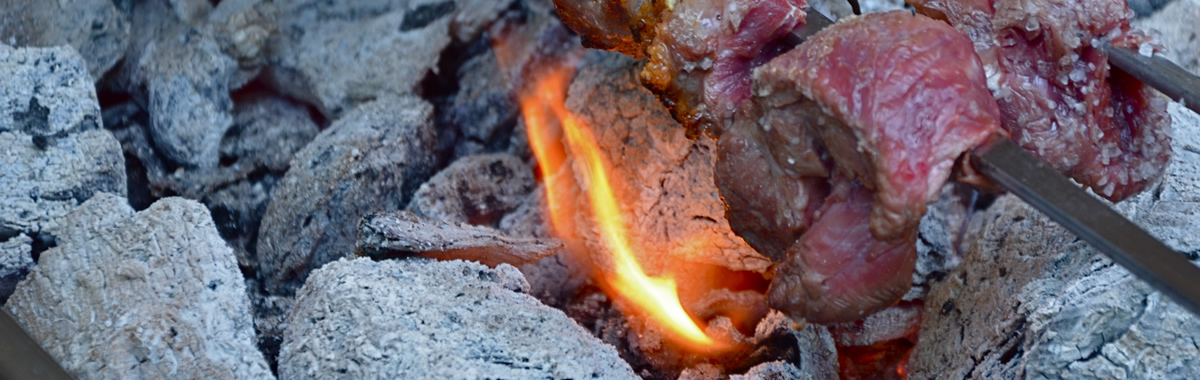
Know-how: The choice of piglet is very important, as it should not have excess fat. The piglet (genetically based on the Bísara breed) must have a particular diet, based on breast milk and food obtained from farms. The piglet is killed by the usual process, bled, scalded, "stabbed", gutted and washed. Nails, hair and a small layer of skin called "boldra" are eliminated. It is allowed to drain and then it is spread internally with a porridge made with garlic, salt, pepper and lard. The ventral part is then sewn with sail thread, also known as Northern thread. The piglet is then crossed by a skewer in the longitudinal direction (mouth-anus) and is roasted in an oven heated with vine wood. While baking, it should be removed from the oven a few times to gain color and glaze the skin. We take advantage of this occasion to sprinkle it with the sauce that falls from the roast itself. When it is roasted, it has very ruddy and glazed skin. It is served with boiled potatoes and lettuce and onion salad, and is always well accompanied by wine from the region. The roasting of the suckling pig is considered a true art in the region, and the names of some roasters are famous.
Source: Produtos Tradicionais Portugueses, Lisboa, DGDR, 2001
