









 Português
  English (UK)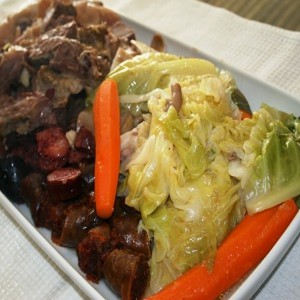
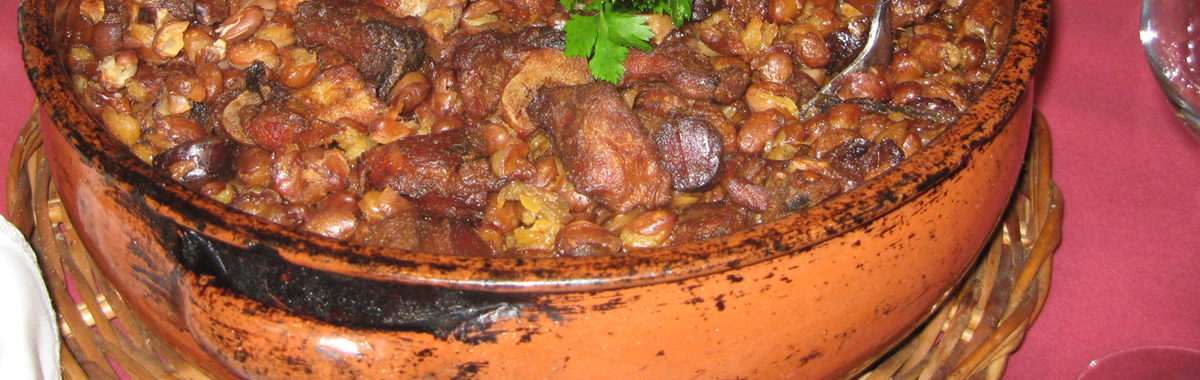
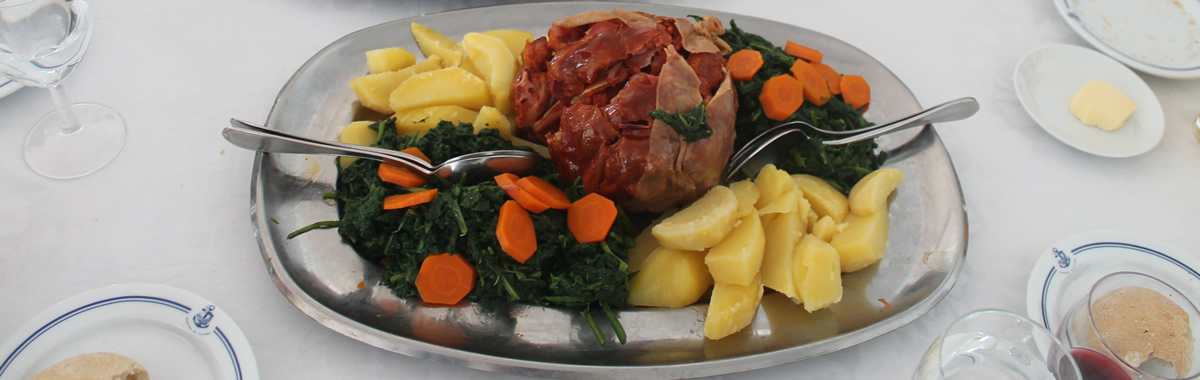
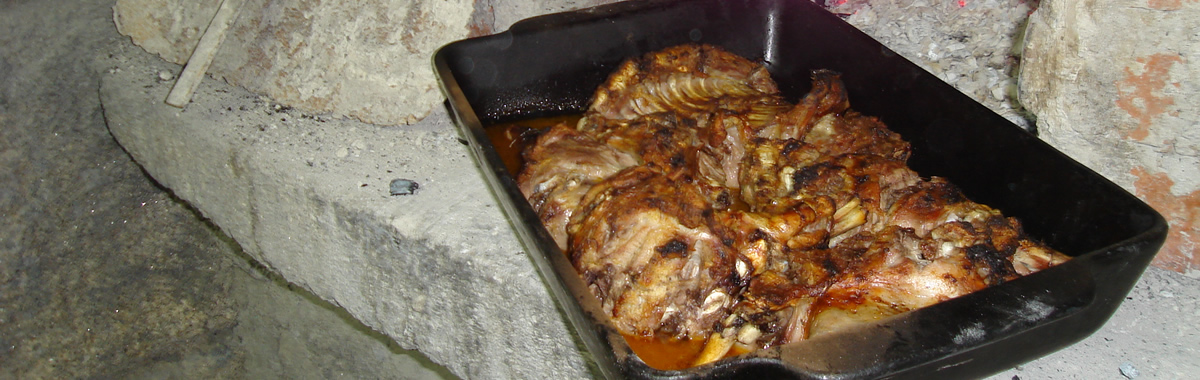
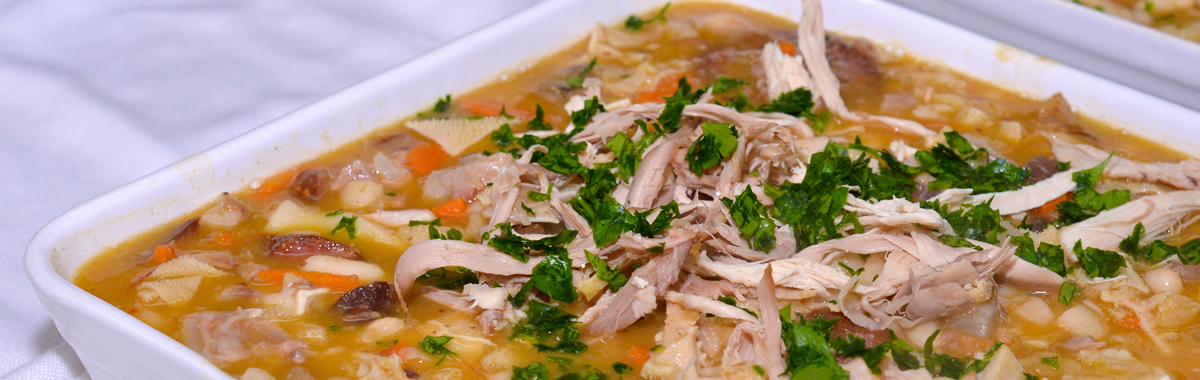
Description: Color: Various shades (green, brown, yellow, or-ange,...); Aroma: smoked meat; Texture: irregular.
Special characteristics: It is par excellence a homemade dish, with all the typical ingredients of the region.
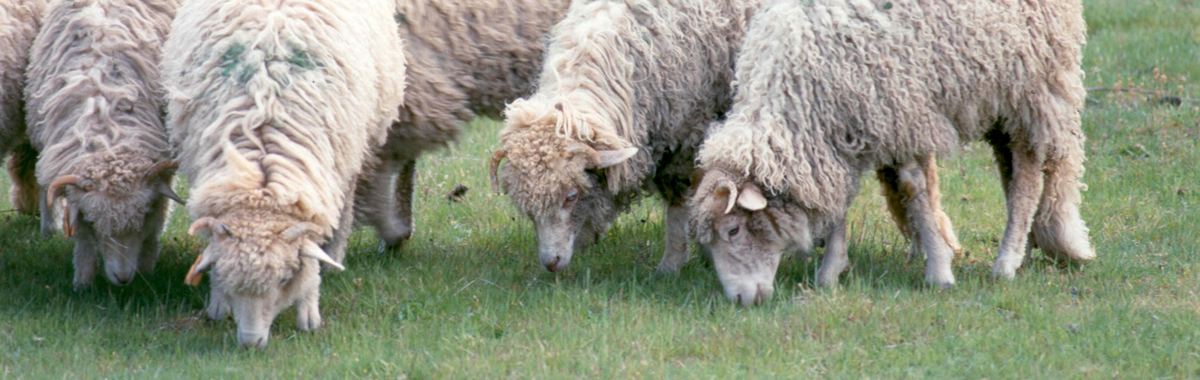
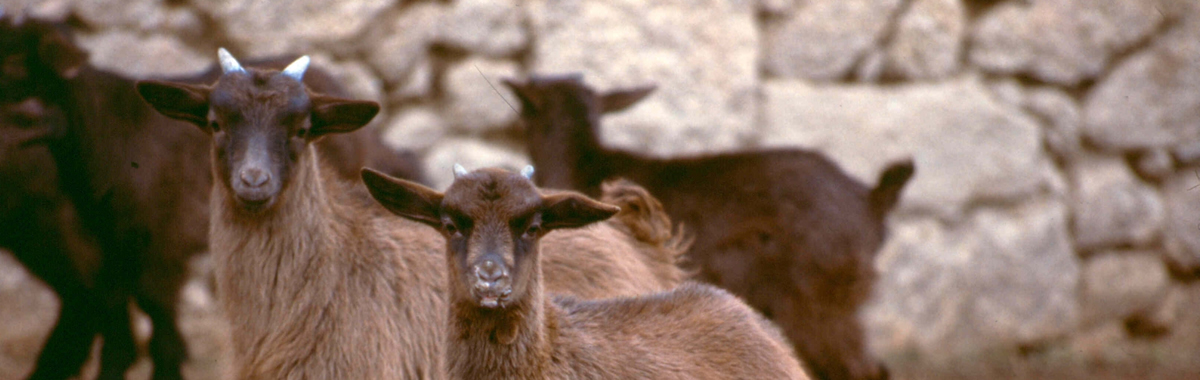
Species, varieties or breeds: Arouquesa Breed Veal; Pork; Chicken meat.
Delimitation of the geographical area of production: Cooking dish at national level.
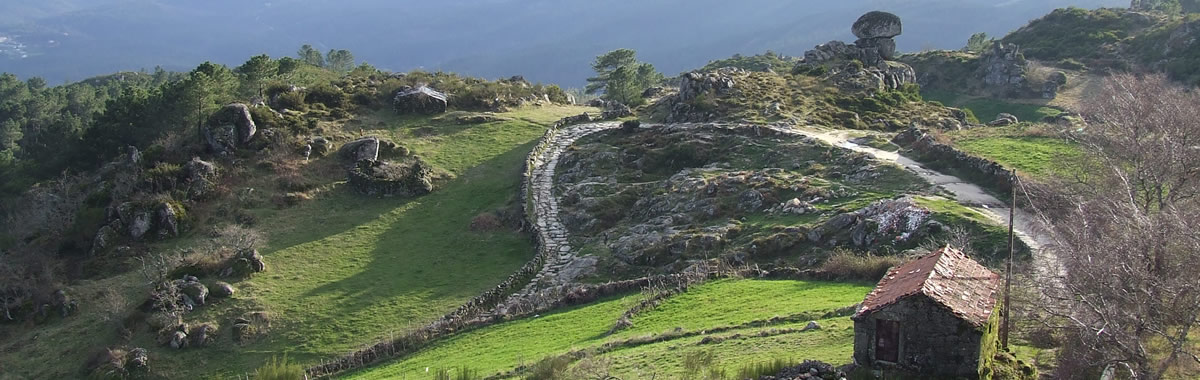
Connection to the natural landscape: Use of vegetables and greens, which when in the field give various shades to the landscape.
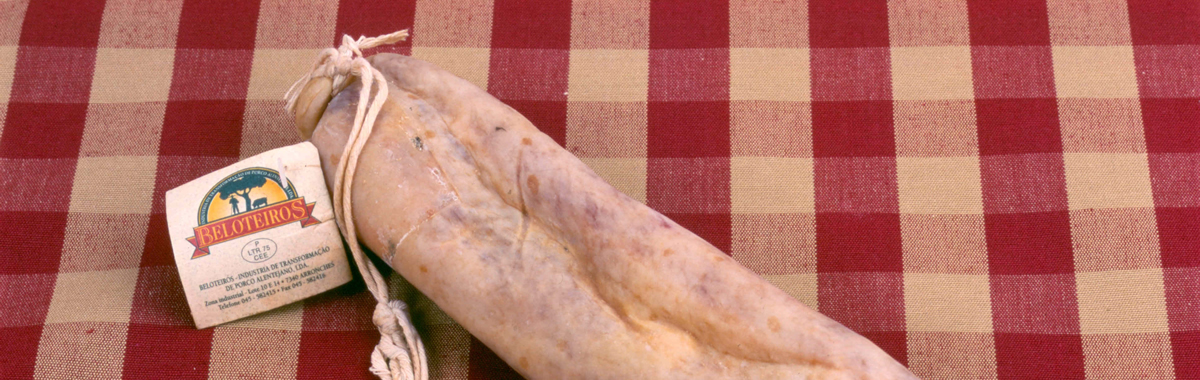
Ingredients used: Pork (orelheira, ham, sausage and sausages are essential), veal, chicken, bacon, bunch, carrots, potatoes.
Preparation: Place the pork, chicken, veal, ear, ham, sausage and sausages in a pan with boiling water. When the meats are cooked, they are removed from the pan and split, leaving the cooking water. In the same water, boil the potatoes, the tronchudas / buncas and the carrots. Serve with oven rice and good green wine.
Know-how: In order for the stew to have a spectacular flavor, the same cooking water as the meats must be maintained, to cook the vegetables, potatoes and carrots. The preparation in iron pans, over low heat, makes the taste of the meats and all the stew exceptional.
Forms of commercialization: Home production and restoration.
Product availability throughout the year: It is made all year round.
Product history: The stew is a Portuguese dish par excellence. It arises from the difficulties of the people, in which they put all the food they had in a pot, letting it cook. It was a way to take advantage of everything that the land and animals gave.
Representativeness in local food: Typical dish of the municipality.
Product Availability: Continuous Supply. It is made more frequently in the cold season of autumn and winter, and is also particularly rel-evant on Fat Sunday (the last Sunday of Ash Wednesday, the time before Lent, in the Christian religion).
