


















 Português
  English (UK)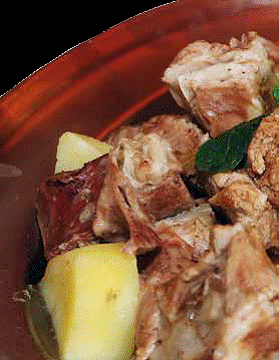
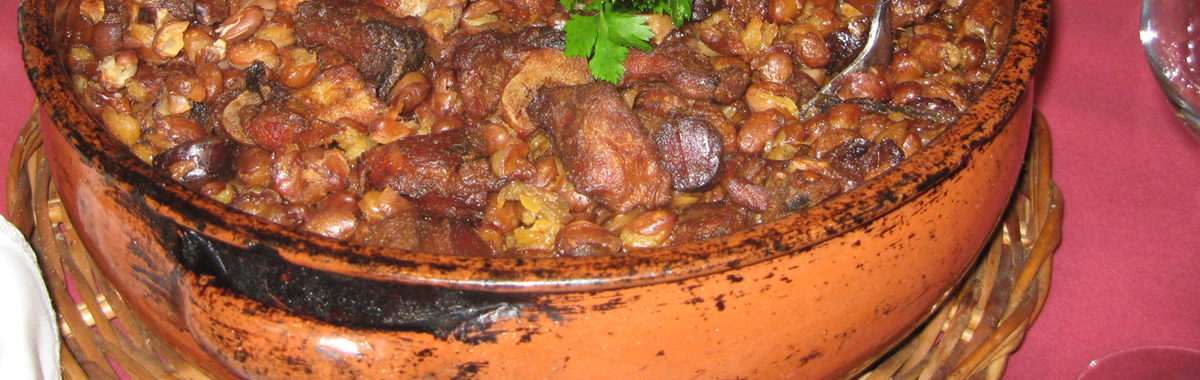
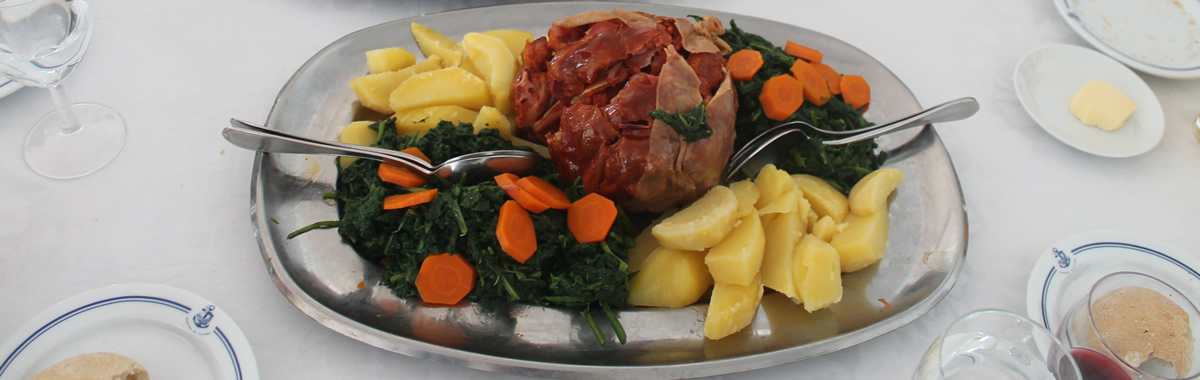
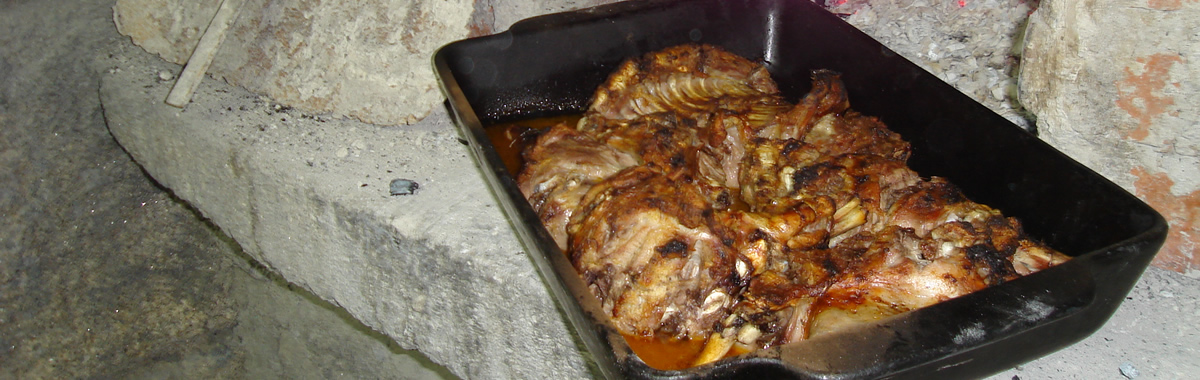
Description: Prepared dish consisting of lamb meat, served on slic-es of bread and/or accompanied by boiled potatoes.
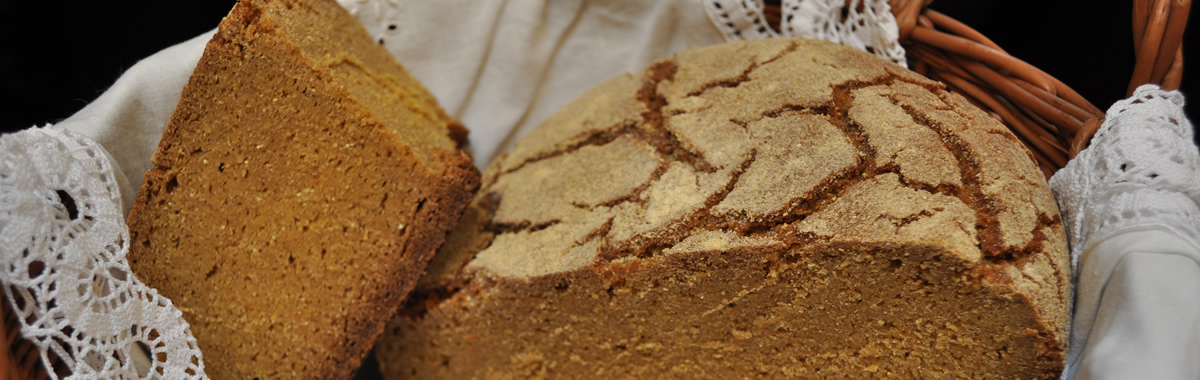
Special characteristics: Bread soaked in meat broth plays a preponderant role in the recipe.
Region: Alentejo.
Ingredients used: Lamb, onion, garlic, tomato, parsley, bay leaf, pepper, coarse salt, paprika, olive oil, white wine, vinegar, bread and potatoes.
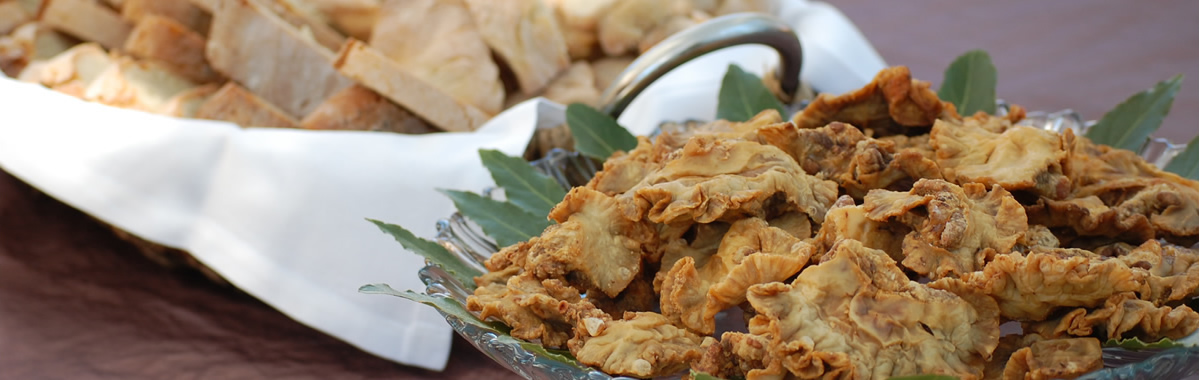
Preparation: Cut the meat into pieces, season with salt, crushed or minced garlic, bay leaf, paprika, pepper and wine and marinate for at least three hours. In a saucepan, pour the olive oil and brown the meat, add the chopped onion and sauté, add the marinade and the crushed tomato very slightly and sauté. When the meat is cooked, add the vinegar and rectify the seasonings. It is served on slices of crusty bread, toasted or fried and served with boiled potatoes.
Know-how: There are several variations of this dish, depending on the regions of Alentejo.
Forms of commercialization: Restaurants.
Product availability throughout the year: All year round.
Product history: The lamb stew, ritual and traditionally associated with Easter and the Spring Equinox, may have diverged from the primitive Arab açorda tharîd (Rei, 2016).
Representativeness in local food: Tasted mainly at Easter time, but also at parties and weddings.
Source: DGADR, based on the book Receitas e sabores dos territórios rurais (MINHA TERRA – Federação Portuguesa de Associações de Desenvolvimento Local, 2013), Carta Gastronómica do Alentejo - Monumenta Transtaganae Gastronómica (Confraria Gastronómica do Alentejo, 2013) e Rei, António (2016), A Açorda. Uma sopa de pão, da Alta Idade Média à atualidade, IEM /FCSH – Universidade Nova de Lisboa.
Photo: Provided by MINHA TERRA – Federação Portuguesa de Associações de Desenvolvimento Local.
