



 Português
  English (UK)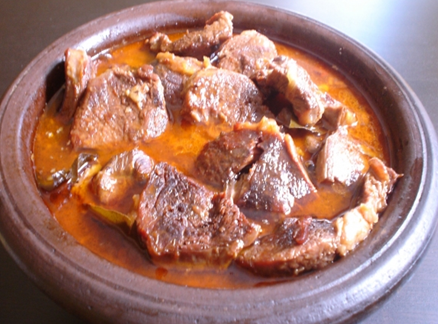
Definition of the geographical area of production: Autonomous Region of the Azores.
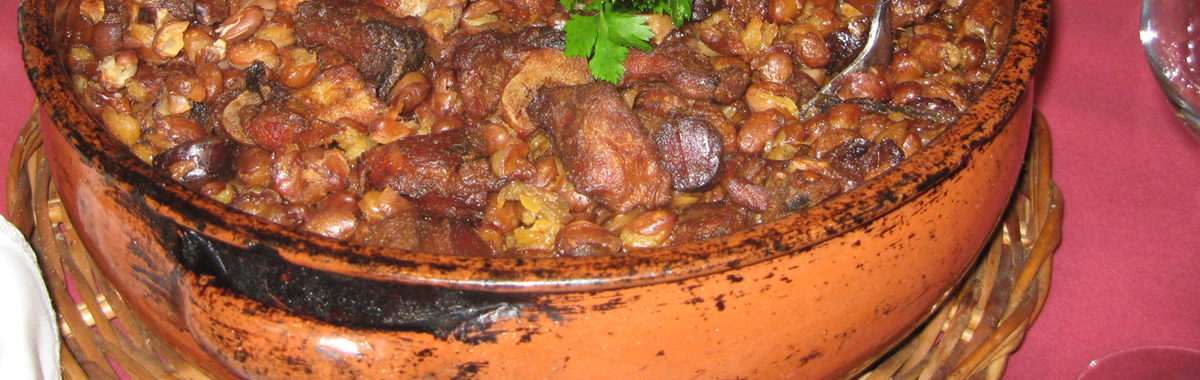
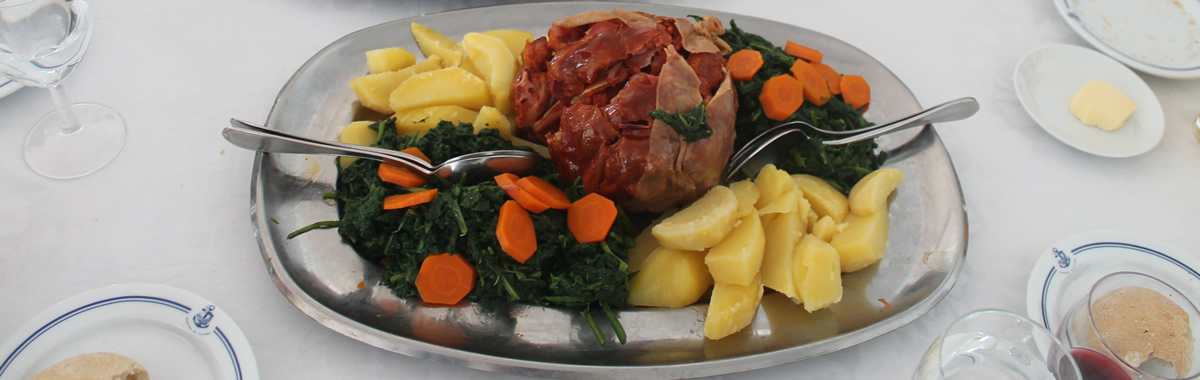
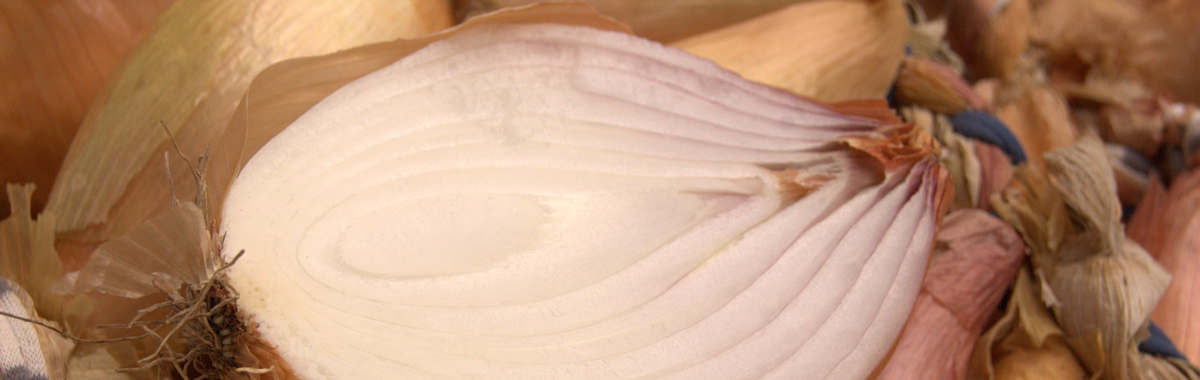
Ingredients used: Beef; bacon tobacco; lard; onions; garlic; cloves; allspice; black pepper; bay leaf; green wine; salt.
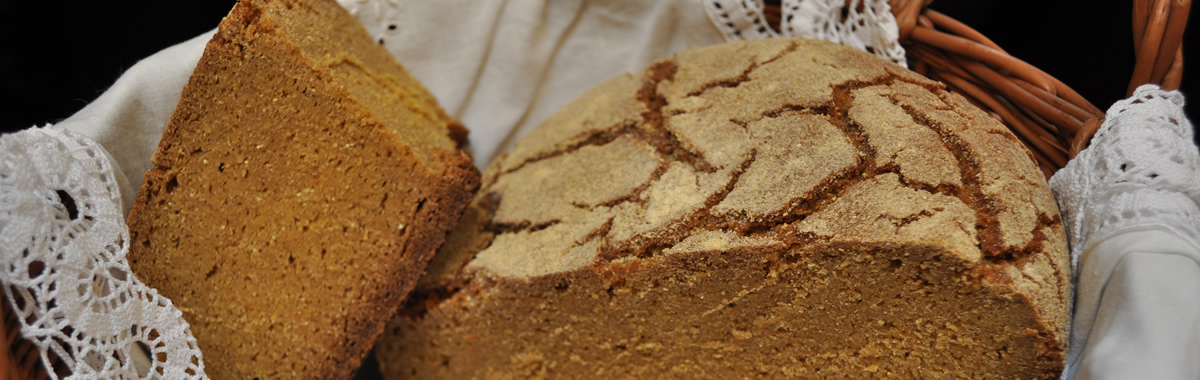
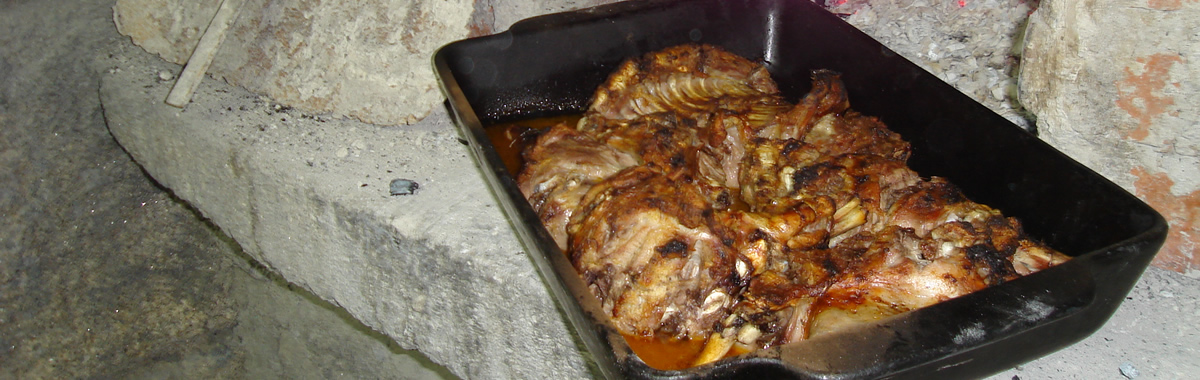
Preparation: Cut the bacon into small and thin rectangles and set aside; spread the bowl with lard, without excess and set aside; crush and peel the garlic, cut it into thin slices and set aside; peel and cut 2 onions into half-moons, chop the other and set aside; clean the meat of any excess fat, divide it into portions and set aside. At the bottom of the bowl, place the black pepper berries, the Jamaica berries and the cloves; place the bacon rectangles, inside the entire bowl; add a portion of garlic, a chopped onion and a bay leaf, at the bottom of the bowl, place a layer of meat, varied and sprinkle with salt; distribute a little bacon over the meat, garlic and onion in half-moon; place the remaining meat, the rest of the garlic, onion in half-moon, the bay leaf and sprinkle with salt; drizzle with the wine until it covers the meat and shake the bowl a little, let it rest for a while, if necessary add more wine, cover with fig leaf, yam or cabbage and bring to medium heat about 4 hours. From time to time, check the amount of sauce, if necessary add more wine. Serve with slices of massa sovada.
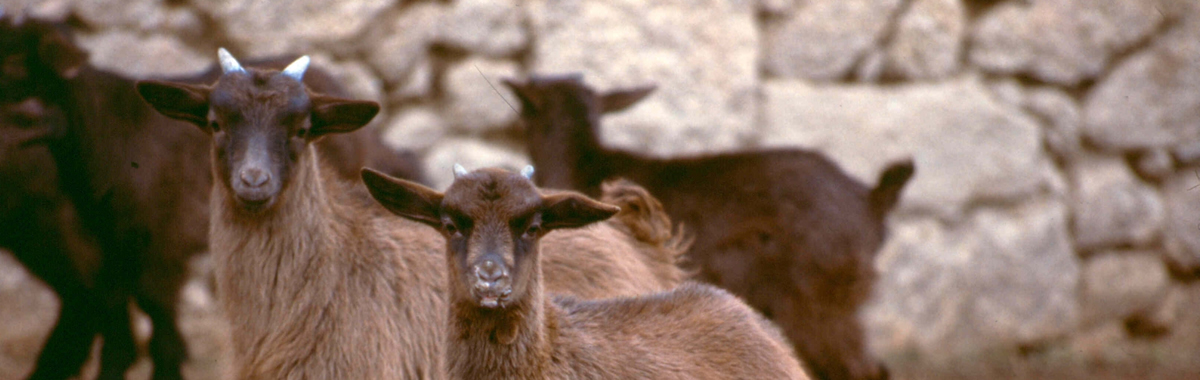
Product history: The Journey begins in the bowl and in the millennial knowledge of the clay vessels of the Mediterranean. It is perhaps the main piece where a note is obtained, neither cooked nor roasted, but an improved stew, which the permanence in formo leads to a splendid Atlantic stew, in a meeting of flavors with exotic participation. Let's start, then, with the bowl. The clay for the regional pottery came from the so-called "barreiros", existing on some islands. The baked clay bowls should not be glazed and should be completely sub-merged in water and, when removed, should drain from one day to the next. Finally, it should be greased with lard or rubbed with bacon smoke, filled with water and brought to a low oven, boiling for 2 or 3 hours. After this ritual, it is ready to be used, without risk of breaking. The confection of the rump itself has its origin in the settlement of the island, although its provenance may not be a certainty. The first settlers came from Beiras, where there was a dish with many similar-ities to the rump – the chanfana, made with Old goat meat.
Source: Federação Portuguesa das Confrarias Gastronómicas
Image source: Cozinha Tradicional
