




 Português
  English (UK)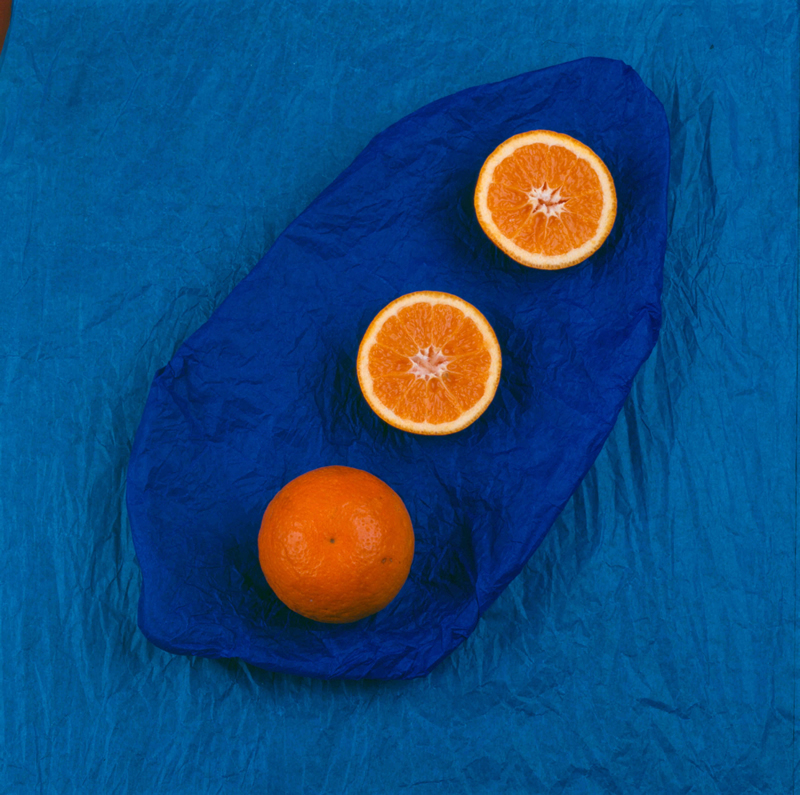
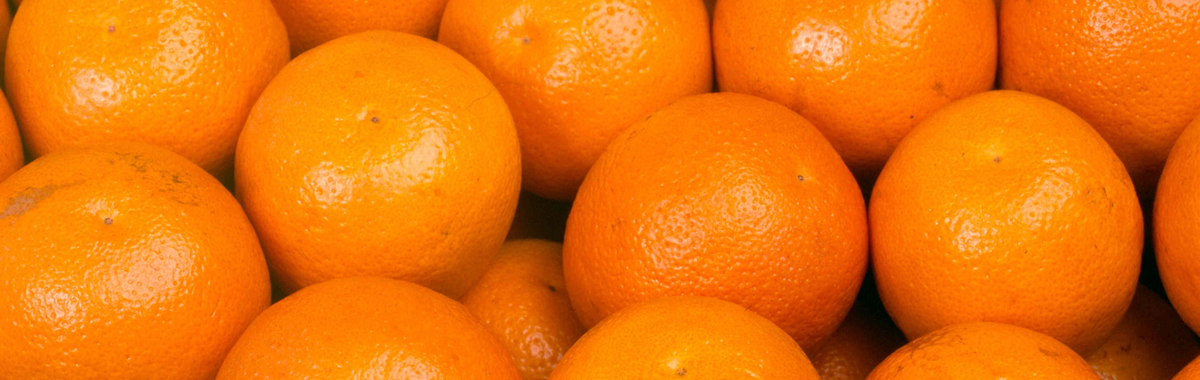
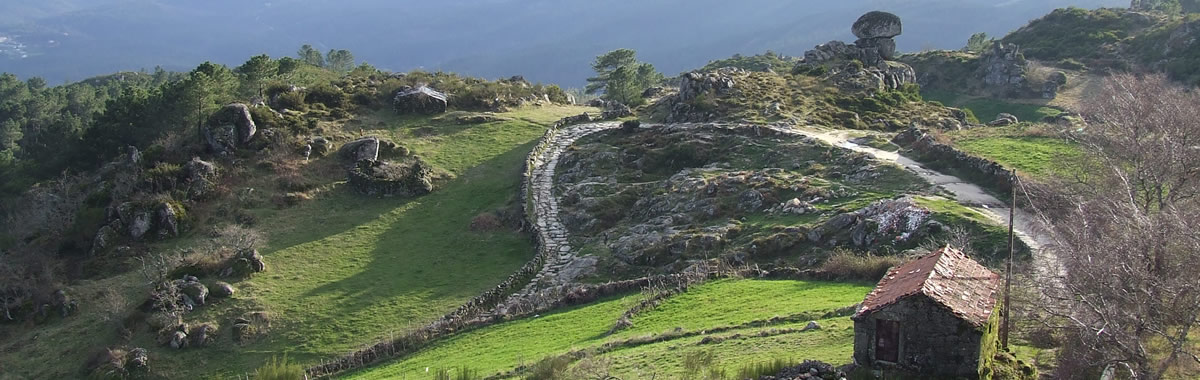
Description: It is an early orange urn, medium-sized, very sweet, with very thin skin, without fibers and with few seeds. Orange trees appear in an area considered marginal for this crop. It is believed that the existence of orange trees in Ermelo is due to the existence of a particular microclimate.
Region: North.
Particularity: Orange with smooth and thin skin.
History: the appearance of the culture is attributed to the wisdom of the Cistercian monks, due to the fact that the largest concentration of orange trees is still found in the area attributed to the «Couto Conventual». References to this crop are rare, but Prof. Monteiro Telhada states that: «Thus, despite the stubborn maintenance of certain remnants of culture that still exist in areas once famous for the quality of the fruits produced, but today of very little expression and on the verge of extinction due to economic and social constraints, as 'is the case, among others, from the micro-regions of Ermelo and Britelo...». There is another reference, although of a more general nature, in relation to the parish of Ermelo: «... it is a fertile ground, and here the fruits are excellent and very early».
Use: Usually as a dessert or as a refresher at snack time.
Know-how: The orange trees of Ermelo do not have phytosanitary treatments, with the exception of spraying with Bordeaux mixture, and fertilizers are not used, with the exception of cow manure. Its harvest begins in February, having. The months of April and May are the best time.
Source: Produtos Tradicionais Portugueses, Lisboa, DGDR, 2001
