



 Português
  English (UK)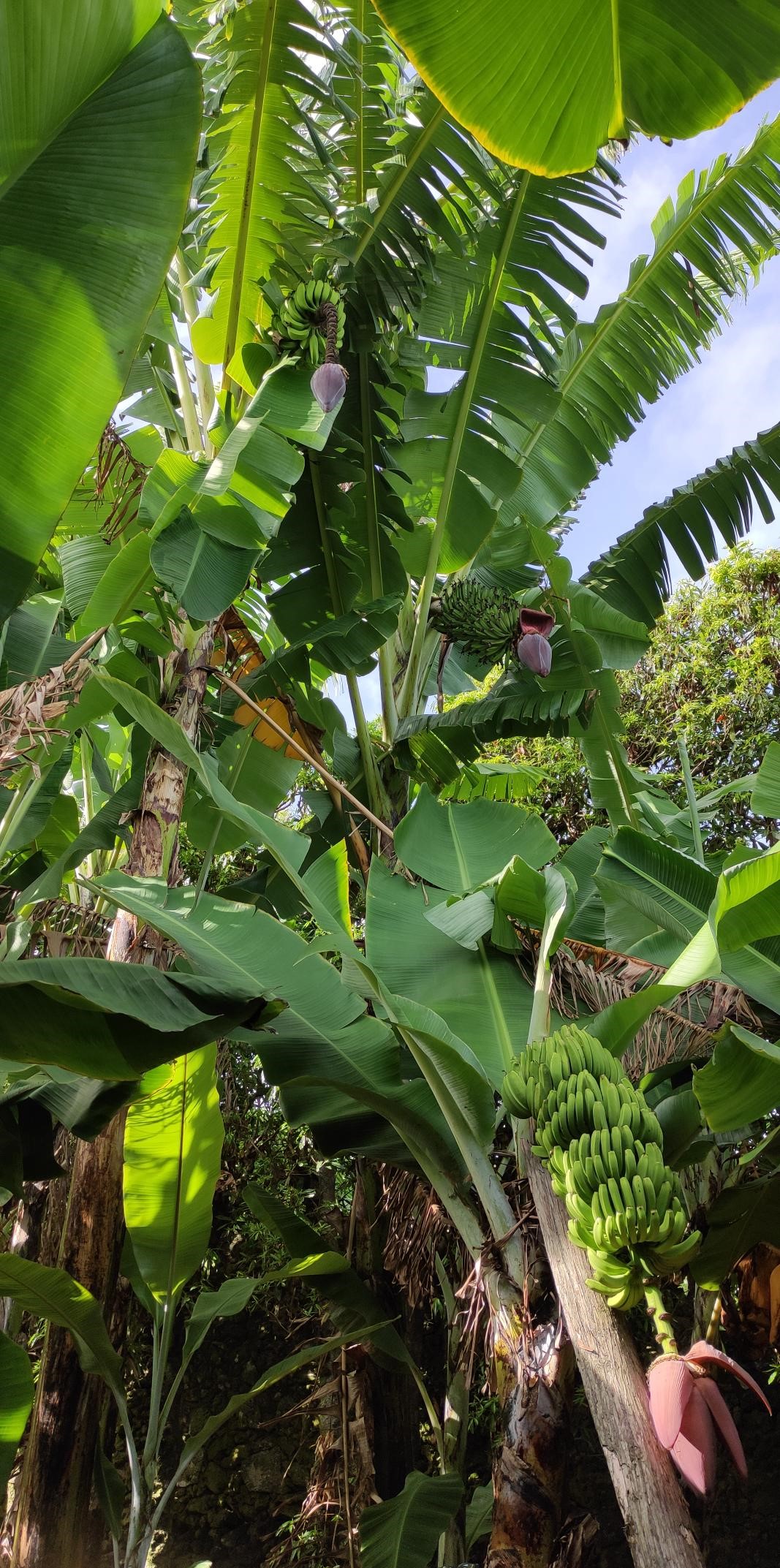
Special Characteristics: The "Banana dos Açores" has different characteristics from others produced worldwide, namely being smaller, sweeter, with a soft texture and an intense and pleasant aroma when ripe, which are due to its geographical origin.
Production area: The "Banana of the Azores" is cultivated in the archipelago of the Azores, composed of 9 islands located in the North Atlantic: Santa Maria, São Miguel, Terceira, Graciosa, São Jorge, Pi-co, Faial, Flores and Corvo.
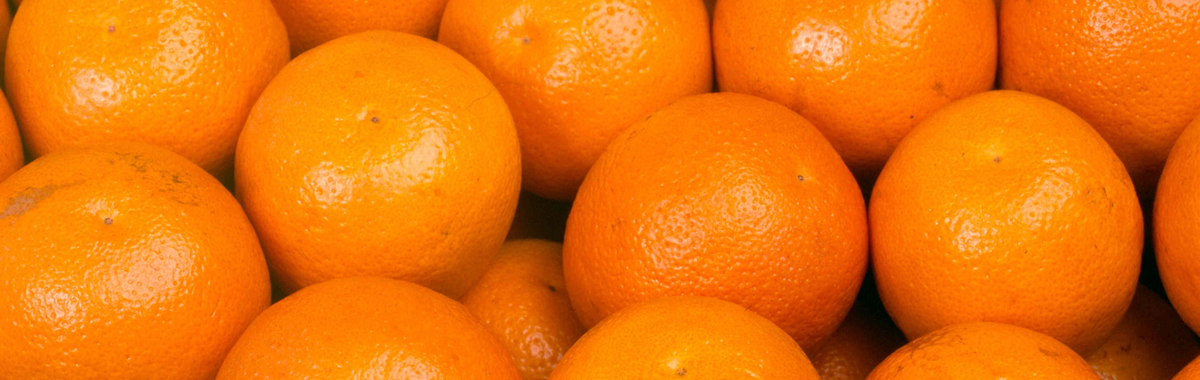
History: The introduction of banana cultivation in the Azores may date back to the times of the "Volta da Mina", when the archipelago was the last Atlantic stopover, on the way back to Europe. Demonstrating this origin is the term "fig" with which in some places in the Azores banana is still called, which is an evident legacy of the designation initially used by the Portuguese explorers of the sixteenth century in the area of origin of this fruit. Initially this species was part of botanical collections in gardens of wealthy noble families and only more recently (nineteenth and twentieth centuries) it began to be considered as a crop with agricultural potential, installed in orchards. With the end of the orange cycle, in the last quarter of the nineteenth century, the banana culture gained greater expression, as did other crops such as corn, potatoes, sweet potatoes, pineapples, tobacco and tea, constituting today a fundamental reference of Azorean fruit growing.
Product specifications (pdf)
Producer group
FRUTAÇOR, C.R.L. – Cooperativa Agrícola Açoreana de Horto-fruticultores
Control and certification body
IAMA, IPRA-Instituto de Alimentação e Mercados Agrícolas
Control plan
Publication in the Official Journal of the EU
Publication in DR
Despacho n.º 844/2025 de 09.04.2025
Aviso n.º 3/2025/A/2 de 27.01.2025
Aviso n.º 3/2025 de 21.01.2025
