





 Português
  English (UK)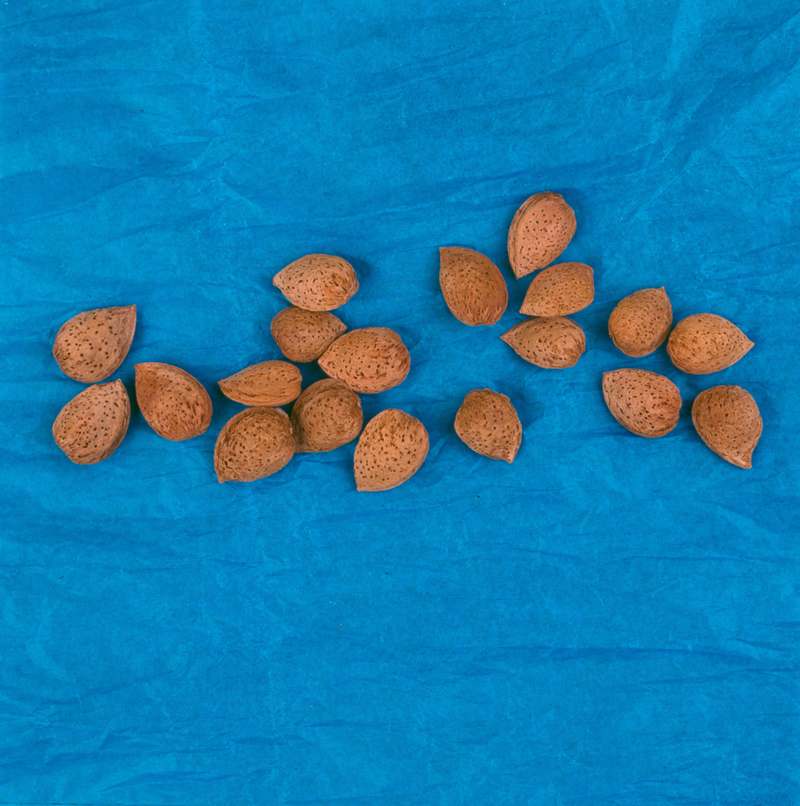
Description: Almonds can be durázia or hard-shelled (the most common), molars (they have a fragile stone) and cocas, whose shell is broken with the fingers. The almond is a drupe from a hybrid of A. bucharica and A. fenziliana. It is most commonly shaped in the following dimensions: 30 mm long by 20 mm wide and 15 mm thick. The kernel represents about 25% of the weight of the almond and weighs approximately 1,5 g.
Region: Algarve.
Particularity: Dried fruit, in peel or core.
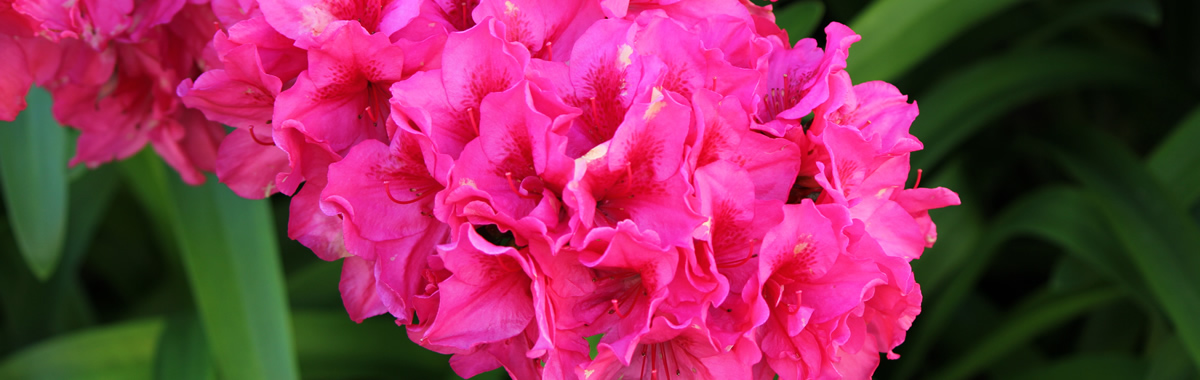
History: The mythical history of Portugal is largely linked to almond groves. The stories of Nordic princesses who, kidnapped or coming of their own free will to Portugal, languish for lack of their natal snows and how the esteemed consorts secretly plant almond groves so that, at the time of flowering (January/February), they think they are surrounded by snow due to the pinkish white of their flowers. The introduction of the almond tree is documented from the twelfth century and was introduced by the Arabs. Culture in Portugal was defined in two distinct poles — the Douro and the Algarve. It is in the sixteenth and seventeenth centuries that the Algarve almond begins to be exported, mainly to England. It should be noted that the Belgian market quoted the Algarve almond at higher prices, calling it Faro's almonds.
Use: Almonds (i.e., the kernels of the almond) are eaten as an aperitif, natural, salted, or roasted. It can also be consumed covered in sugar or chocolate. It is also used in most of the regional sweets. It is used in the pharmaceutical and cosmetic industry.
Know-how: The Algarve's almond grove is exploited freely, and there is no single almond orchard. The almond orchard is, in general, made up of scattered trees associated with carob, fig and olive trees, in a rainfed regime. Grafting, which is done in bitter almond trees, has to be done very high and with elimination of the branches lower than the grafting. The useful life span of the tree reaches fifty years. The almond harvest takes place in the months of July and August.
Source: Produtos Tradicionais Portugueses, Lisboa, DGDR, 2001
