





 Português
  English (UK)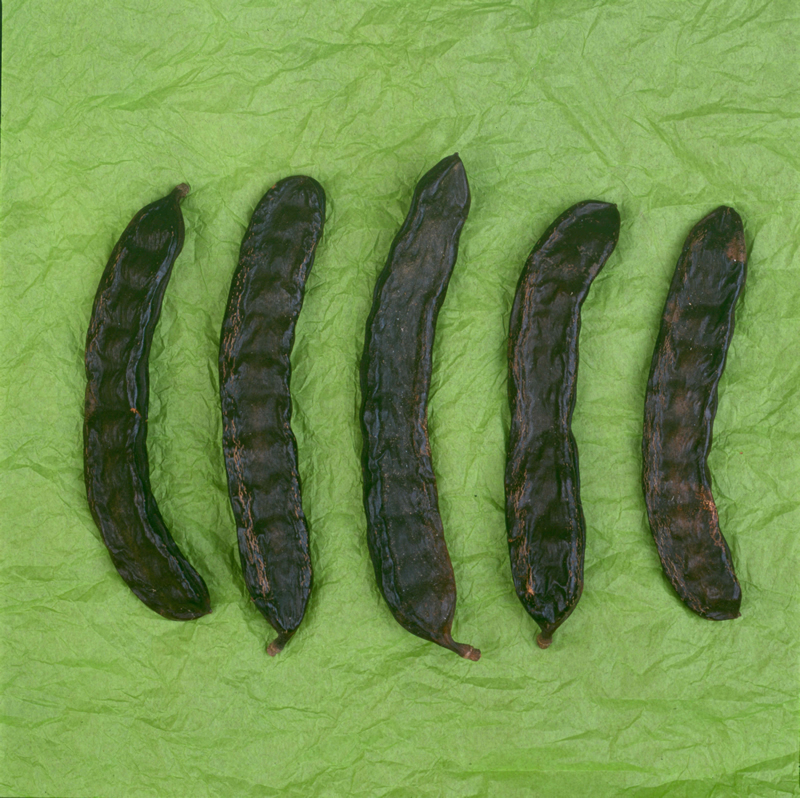
Description: The fruit is a pod (brownish, almost black, when ripe) in the shape of a siliquum, compressed, leathery, indehiscent, 10 to 30 cm long.
Region: Algarve.
Other denominations: Farroba.
Special feature: Fruit very rich in sugar, protein and galactomannans.
History: The center of origin is probably located in the coastal areas of the Middle East, from where it extended to the West. In the Peninsula it was introduced by the Arabs. The carob seed, due to its low weight and uniformity, was used by merchants to appraise jewelry. The pods, known in Anglo-Saxon literature as 'St. John Bread', are said to have been used to feed St. John the Baptist during his passage through the desert. In 1841, Silva Lopes states that carob is used as «food for poor people, and toast is still tasty» and informs that, in 1777, carob occupied the 5th place of exports made by sea in the Algarve. There are references dating from 1579 according to which carob was already sold in Algarve fairs, such as Tavira.
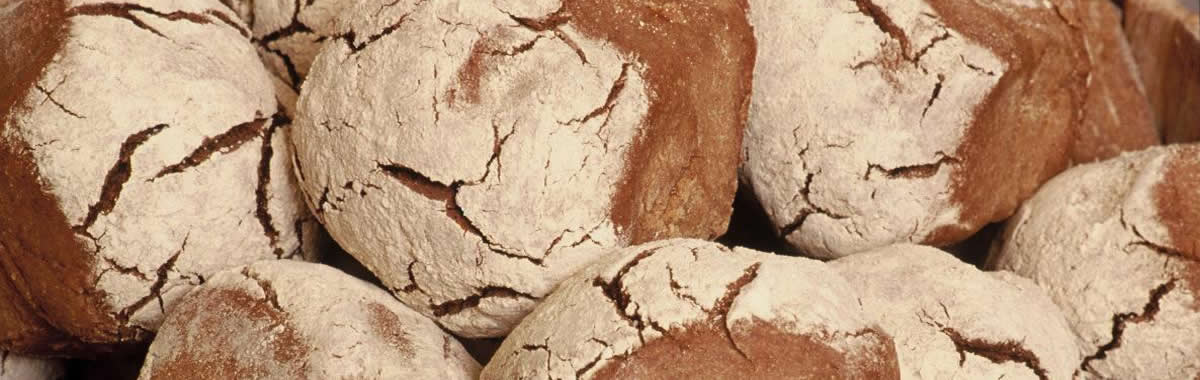
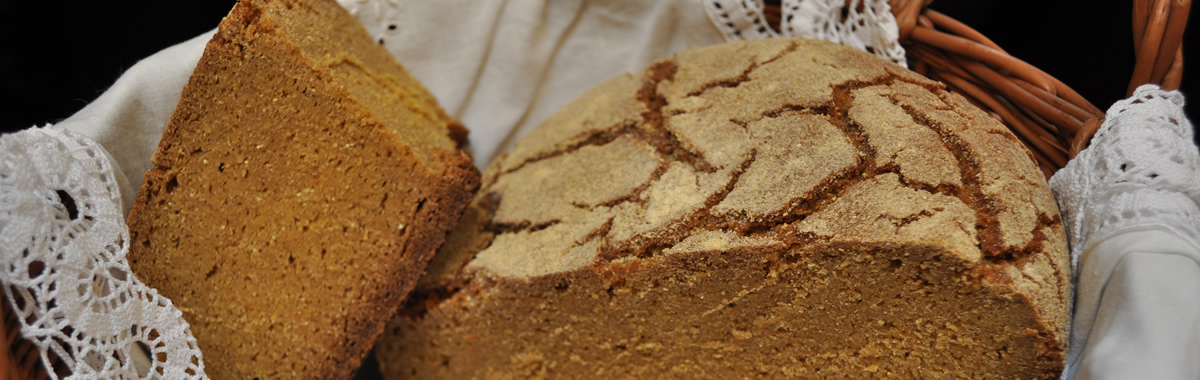
Use: Carob pala is used, in the form of crob powder, in the manufacture of diet tablets, topping cakes, bread, etc. Syrup is obtained from the pulp, used in the coating of roasted coffee, as a colorant in the food and pharmaceutical industry and as a sugar substitute in the production of gummies by microbiological means. From the seed the endosperm and germ are obtained, From the endosperm is extracted the Locust bean seed gum (E 410) used as a thickener, stabilizer, emulsifier and gelling agent in ice cream, soups, etc., as well as in the pharmaceutical and cosmetic industry. Germ meal is used in human food, in dietary products, as a protein source. In traditional Algarve cuisine, Carob Bread has great expression.
Know-how: The carob orchard is free-form. The high basitonia of the carob tree makes the branches of the tree reach the ground normally. Pruning aims to correct this tendency, cutting the basal legs as well as some legs from the inside of the crown to reduce the density of the foliage. The planting pace is variable, since the carob tree ap-pears in the Algarve barrocal intercropped with almond, olive and fig trees, giving rise to the traditional rainfed mixed orchard. The plant-ing density is low, reaching a maximum of one tree per hectare in the old orchards and 150 to 200 in the recent ones. Although it is a rainfed crop, it is usual, in the first 2 to 3 years after planting, to water 3 or 4 times in the summer. Carob is harvested in August/September, with the most common variety being Mulata, with about 90% of the carob trees grafted.
Source: Produtos Tradicionais Portugueses, Lisboa, DGDR, 2001
