







 Português
  English (UK)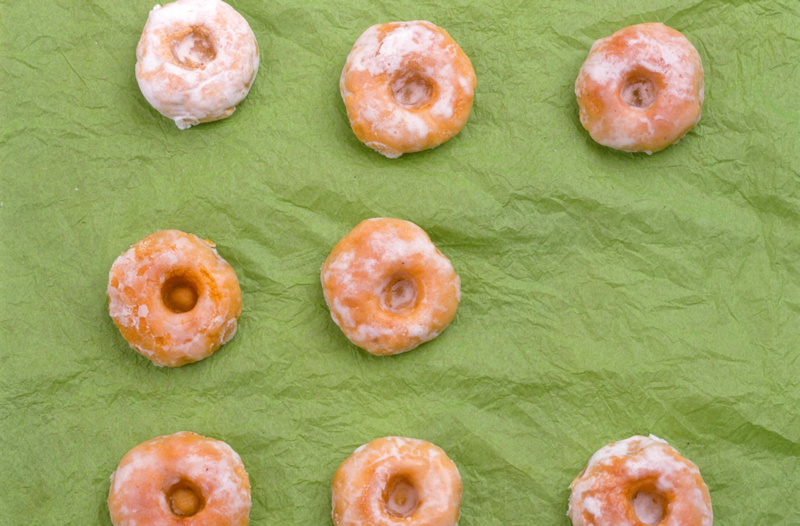
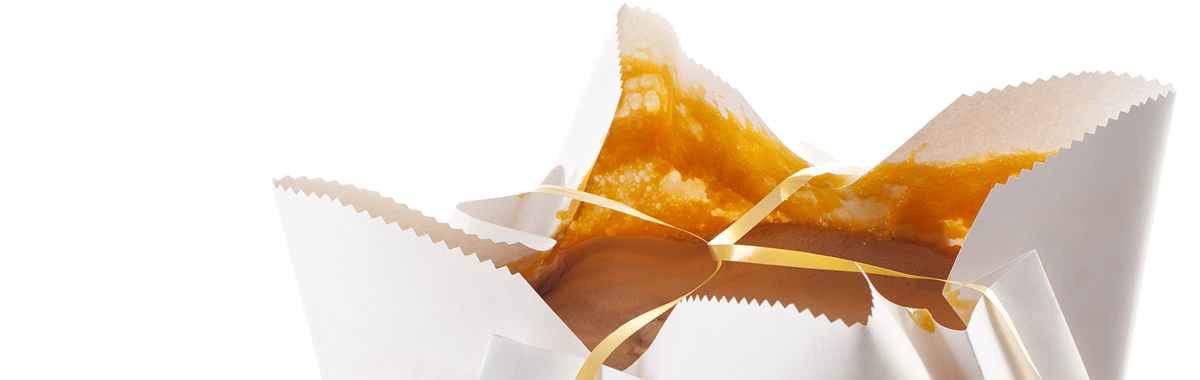
Description: Donut-shaped sweets about 5 cm in diameter and an approximate weight of 45 g. They are sold in boxes of 12 units.
Region: North.
Other denominations: Roscas.
Special feature: Donut-shaped almond jams. Internally the dough is very soft and externally it has a golden color.
History: Arouca is, without a doubt, the faithful depository of an entire confectionery tradition that dates back to the activity of the hardworking Bernardas nuns, from the extinct Convent of Arouca. The nuns made the sweets that were sold and offered as "treats, gifts or delicacies", to civil and ecclesiastical entities deserving of such rich gifts. And so it was that this art cultivated with taste and imagination went beyond the walls of the convent, penetrating the manor hous-es, becoming an indispensable part of festivals and pilgrimages as well known as the name of Arouca itself. The transmission of these recipes was made through the socalled «moças da ordem» (lay women who worked in convents).
Use: The Almond Doughnuts, as well as the other sweets of Arouca, are directly or indirectly linked to certain days of liturgical feasts, which annually rekindle the founding myths of their existence. Of these festivities, we highlight Christmas and Easter, as well as the feast of Queen Santa Mafalda.
Know-how: They are prepared with eggs, sugar and almonds. It is not possible to indicate the proportions, as both sugar and almonds are measured by weight, while eggs are measured in units. Everything is mixed in order to obtain a pasty dough (eggs are added until the desired consistency is achieved) from which rolls are about 1 cm thick that are shaped into a spiral of 5 cm in diameter. They are cooked in a wood oven.
Source: Produtos Tradicionais Portugueses, Lisboa, DGDR, 2001
