



 Português
  English (UK)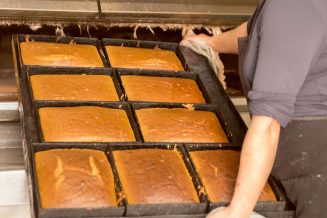
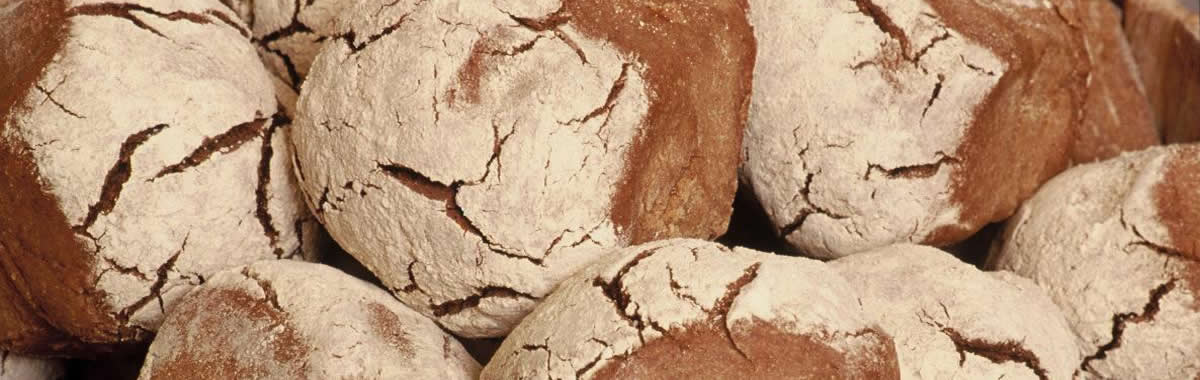
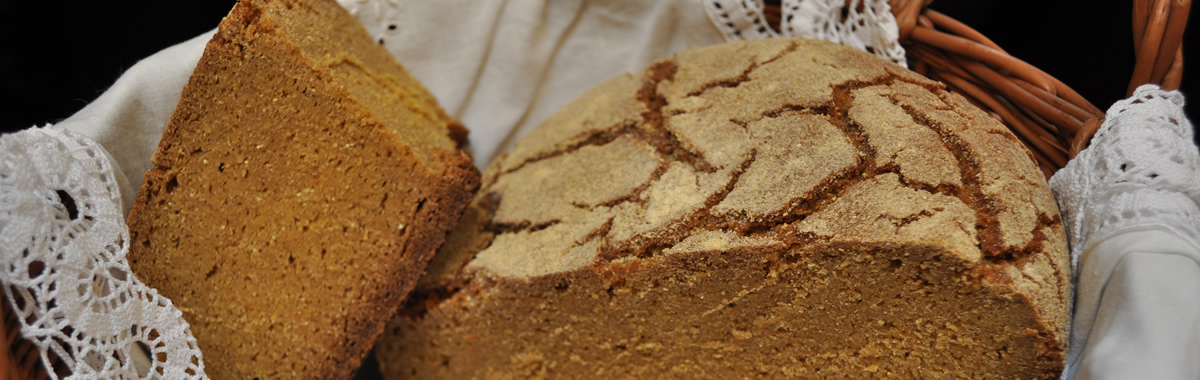
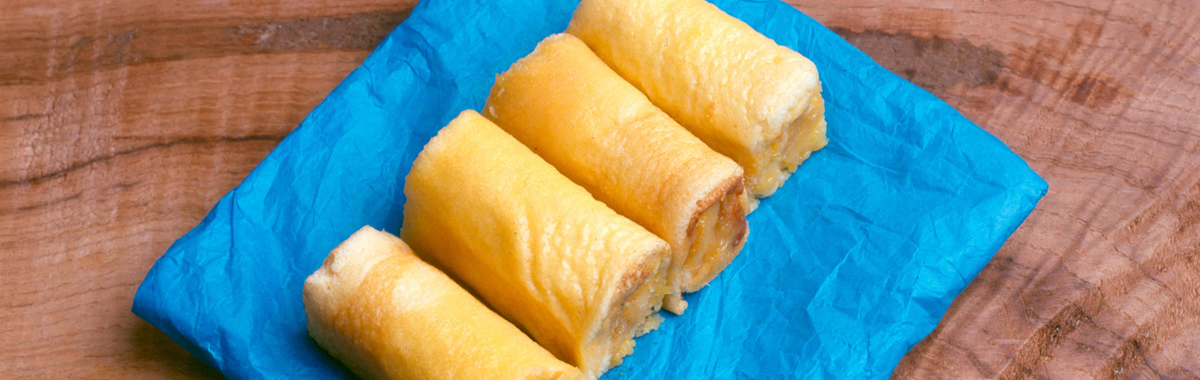
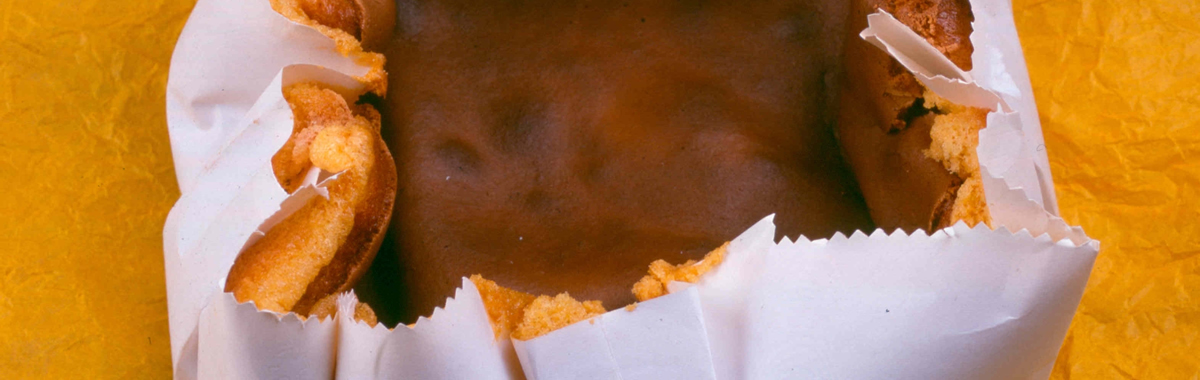
Description: It is a cake with a rectangular shape and compact consistency, not too sweet, with an intense and characteristic flavor, due to the use of lemon and, in some cases, cinnamon.
Special characteristics: It is a very popular regional sweet in the north of Portugal, mostly in the Douro region. In this region, its popularity is so great that there is even a saying that refers to it, when comparing a person who appears everywhere, with the Teixeira biscuit, which is also omnipresent. It is made to take on a rectangular shape, in a wood-fired oven. It keeps for a long time, even at room temperature.
Region: North.
Ingredients used: Brown sugar, flour, eggs, salt, lemon, baking powder.
Preparation: Mix all the ingredients, except for the lemon zest, until a uniform dough is obtained. Then add the zest and a little lemon juice. Grease the mold with a little olive oil or vegetable oil, prefera-bly in wrought iron. Place the dough in the pan, and then in a very hot oven, preferably in a wood-fired oven to try to maintain the typical flavor, and wait until it is cooked. After all this, it is unmolded and tasted cold or hot.
Know-how: Regarding flavor and color, there are two variants of the Teixeira biscuit recipe – in one of them, the dough is white and the lemon flavor stands out; another, with a more yellowish appearance, has cinnamon and eggs. There is also another type of Teixeira biscuit, which Teixeira residents always make on festive days or at special times, called biscuit fino. This thin biscuit is characterized by the fact that it has little water and a different way of cooking.
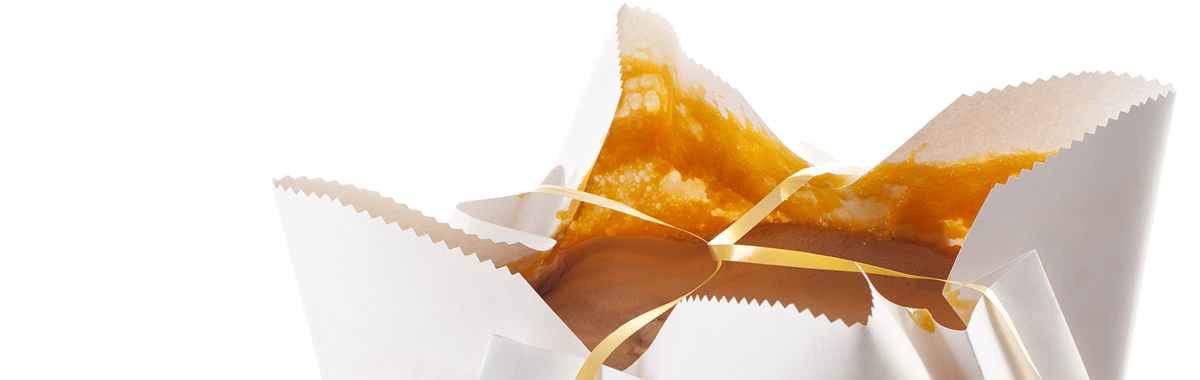
Forms of marketing: The most common Teixeira biscuit is on sale at any fair, festival or pilgrimage in the Douro region, traditionally sold in a plastic bag.
Product availability throughout the year: Fairs, festivities and religious pilgrimages, especially in the summer season.
Product history: This biscuit does not have its historical origin well defined, but it is known that its name derives from the land where it supposedly appeared – parish of Teixeira.
Representativeness in local food: It is a cookie that people always make on festival days in their homes and that is manufactured for sale at parties and fairs.
Source: DGADR, based on evidence collected in https://www.visitbaiao.pt/
