







 Português
  English (UK)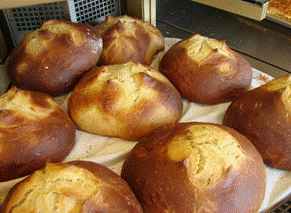
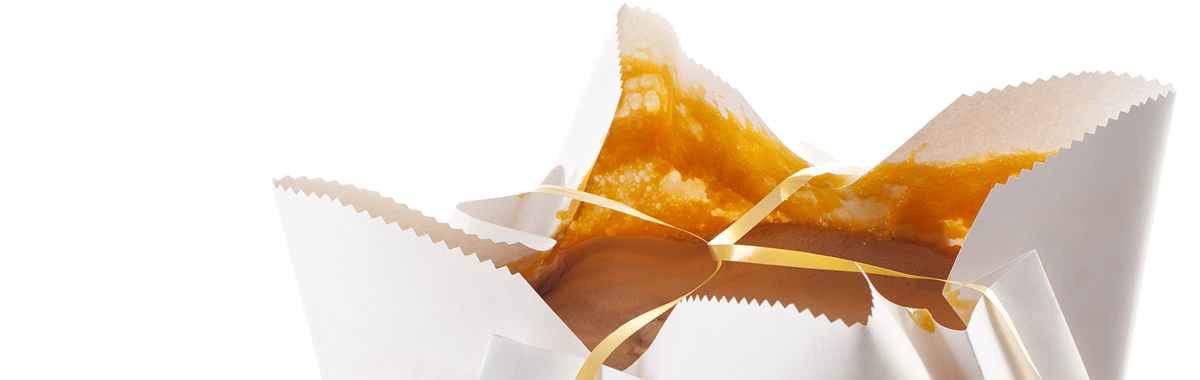
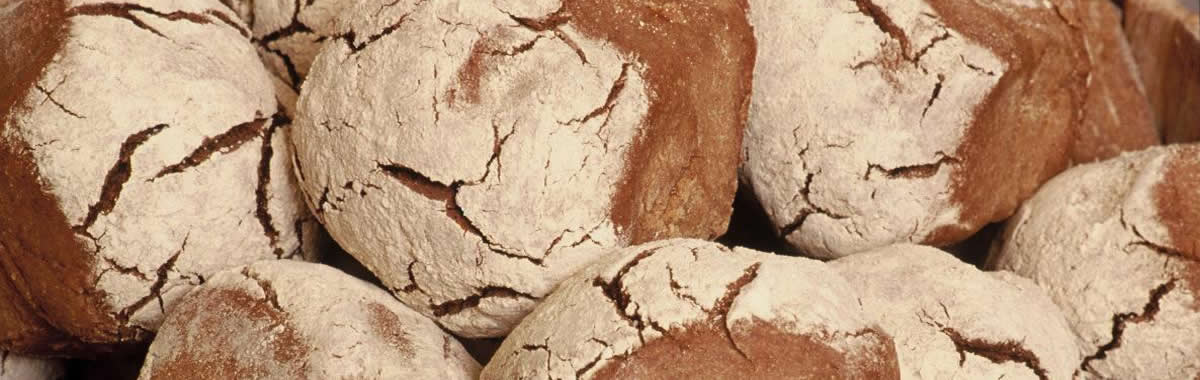
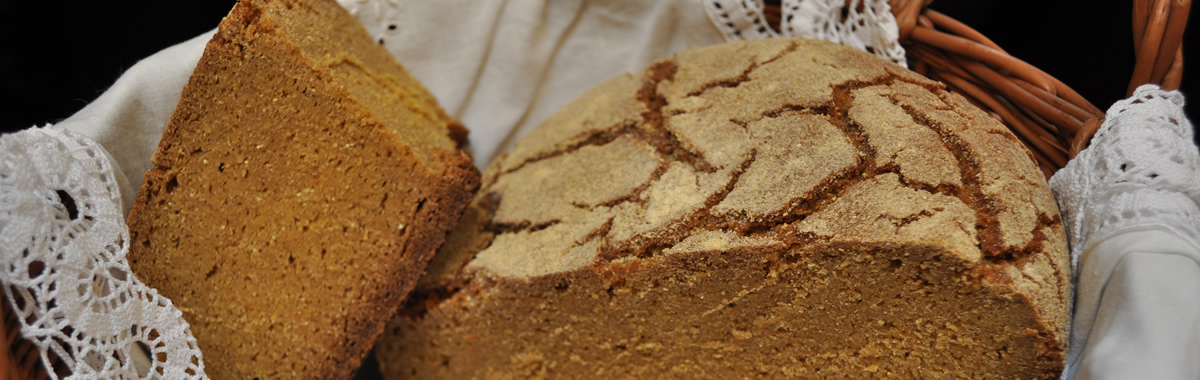
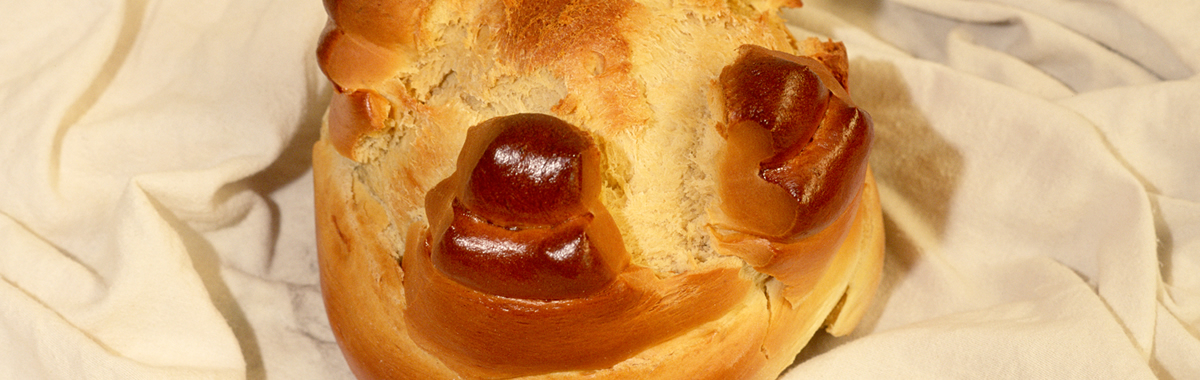
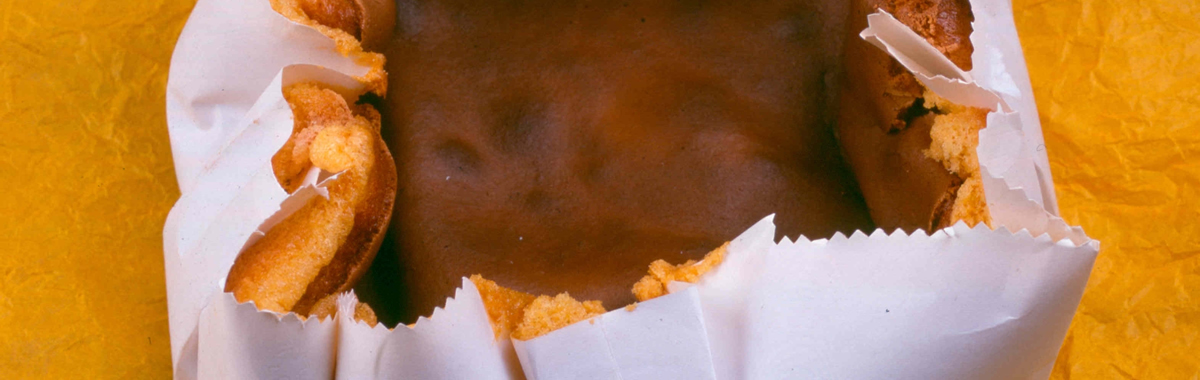
Description: Brown exterior color, yellow interior and fluffy texture with some moisture.
Special characteristics: It is an olive oil cake, not very sweet and its confection is similar to that of bread. It is kept without much care for about ten days.
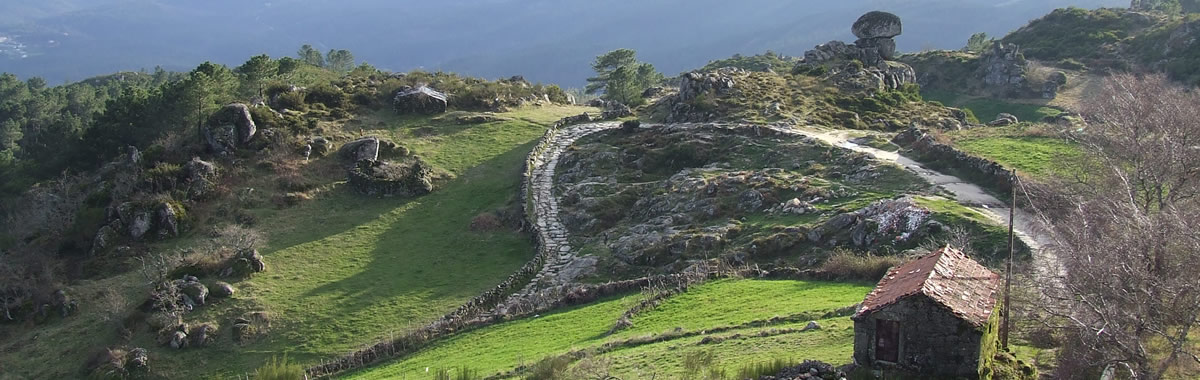
Region: Municipality of Castro Daire.
Ingredients used: Wheat flour, sugar, eggs, olive oil, butter, lard, baker's yeast, cinnamon and salt.
Preparation: Pour the flour into the dough bowl and mix the sugar and cinnamon. A pit is made in half and the yeast is poured in, previously crumbled in a little warm water. Stir everything very well and, while stirring, mix the eggs, one by one. It is then kneaded very well, as one kneads bread, until the dough separates from the hands. Then, heat the lard with butter and olive oil (fats) and add to the previous mixture, little by little, until the dough separates from the hands. Let it rise for about 3 to 4 hours (until it "gets rotten") and then tend into medium balls, not forgetting to make a cut in the shape of a cross. Then bake them in the oven.
Know-how: The dough has to be well kneaded, that is, it must have an elastic and homogeneous consistency, detaching from the hands.
Forms of commercialization: Bakeries and pastry shops in the region.
Year-round product availability: Available year-round.
Product history: In the "Cookbook" of the Infanta D. Maria of Portu-gal (manuscript from the end of the century. XV), a recipe for biscuits is referred to that closely resembles the recipe for bolo podre. By imposition of the times, he did not take eggs, only white wine and orange flower water.
Representativeness in local food: With a strong family tradition, its confection is closely linked to Easter.
Source: Federação Portuguesa das Confrarias Gastronómicas
Photo: Courtesy of Confraria do Bolo Podre e Gastronomia do Montemuro
