



 Português
  English (UK)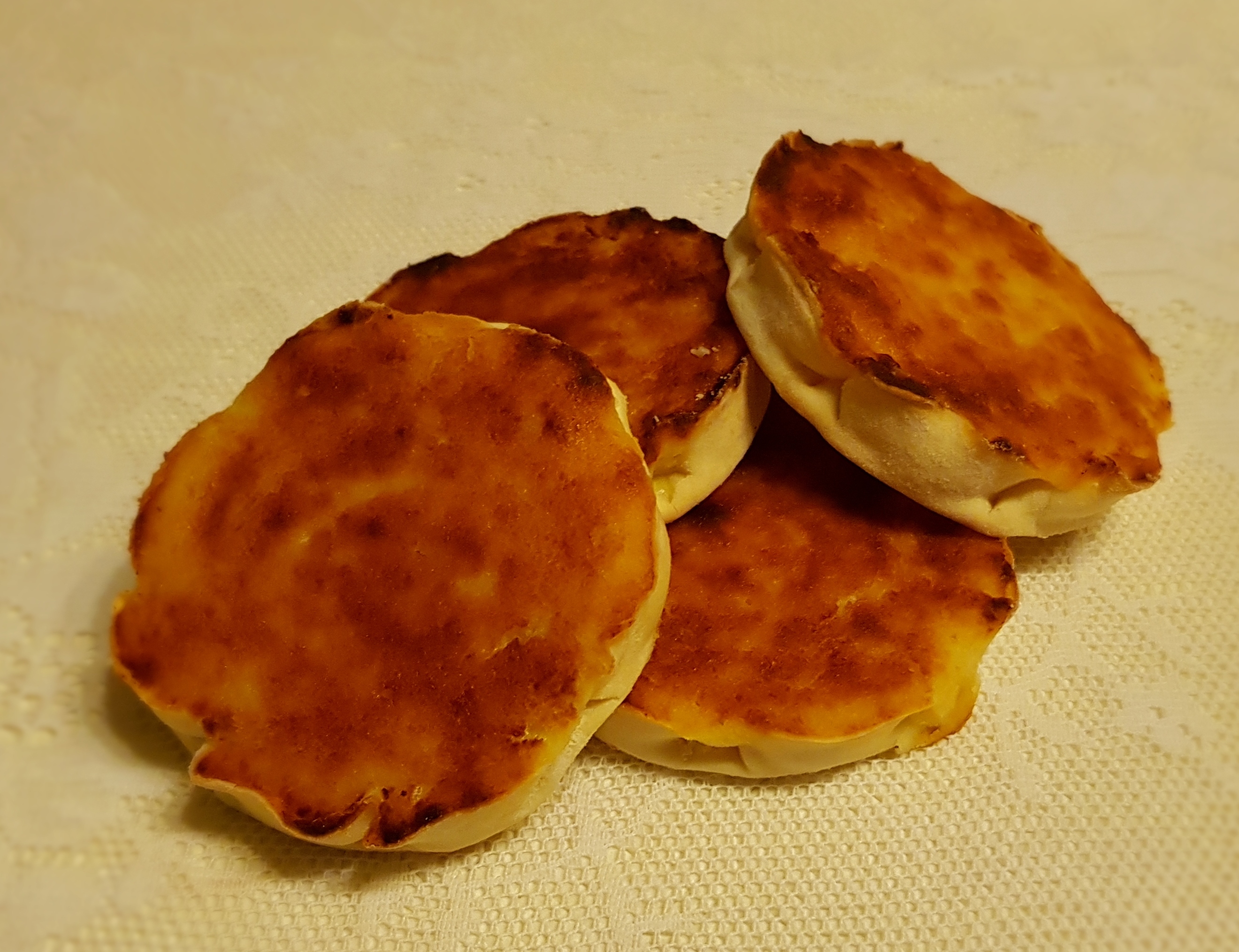
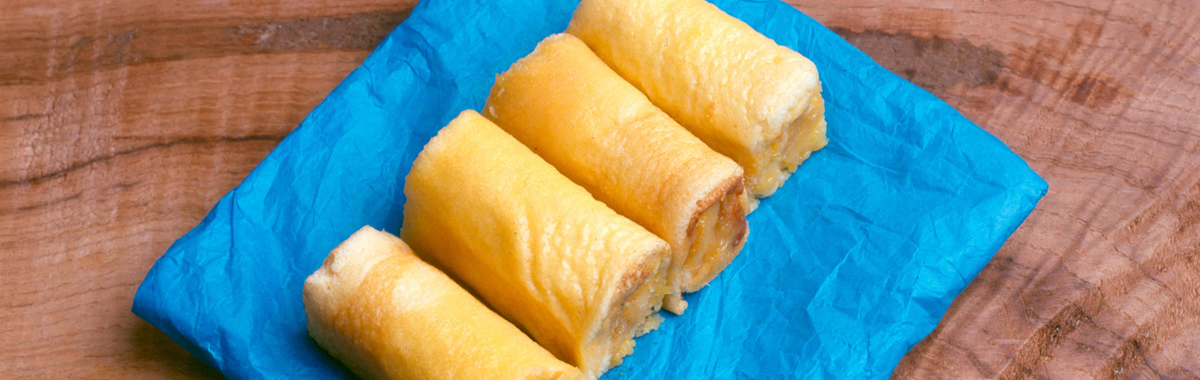
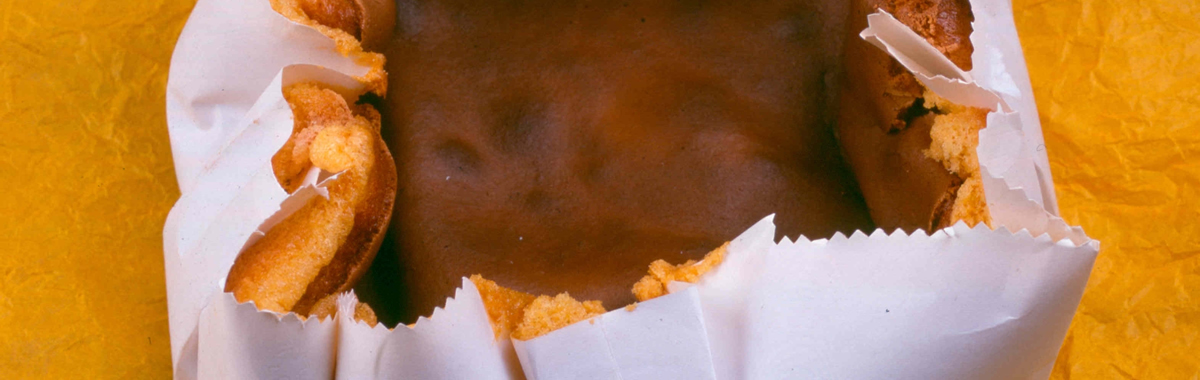
Description: Small shaped dough cake filled with fresh cheese, egg yolks, milk and sugar.
Special features: The queijada de Pereira is characterized by its 7 creases and is cooked in a wood oven.
Region: Center.
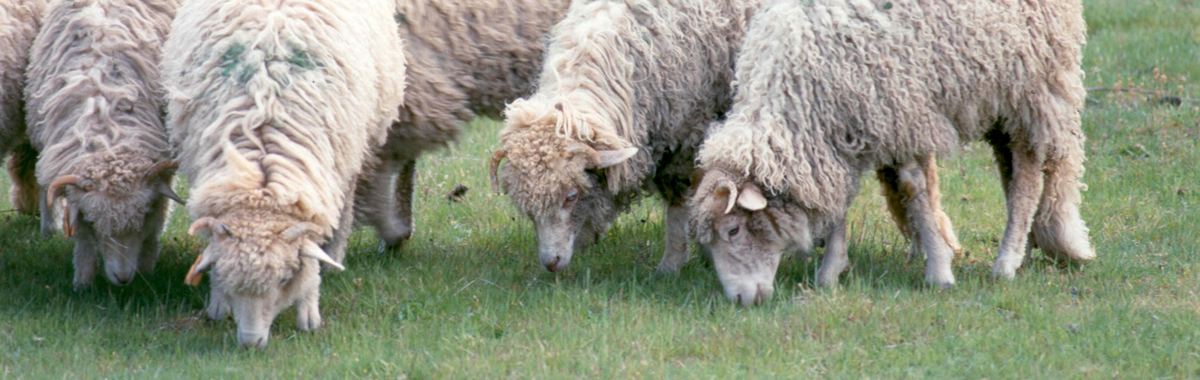
Ingredients used: Fresh sheep's milk cheese, wheat flour, egg yolks, sugar.
Preparation: To make the dough, bind a mixture of flour and warm water very well. With the dough you make a ball and roll it out with the rolling pin. The dough is shaped with your hands, giving it the shape of the queijadas, and filled with the filling of fresh cheese, egg yolks, flour and sugar. Then they cook it on a wood stove.
Know-how: Its artisanal manufacturing method has been passed down through the generations, maintaining, even today, the rigor of the ingredients and cooking times of yesteryear.
Forms of commercialization: Pastry shops.
Product availability throughout the year: All year round.
Product history: In 1513, on December 1st, Pereira received a new charter given by King Manuel I. In this document appears the oldest known written reference to the queijada de Pereira, being exempt from the payment of the toll: "which toll will not be paid for all the cooked bread, queijadas, biscuits, farellos, nor eggs, nor milk...".
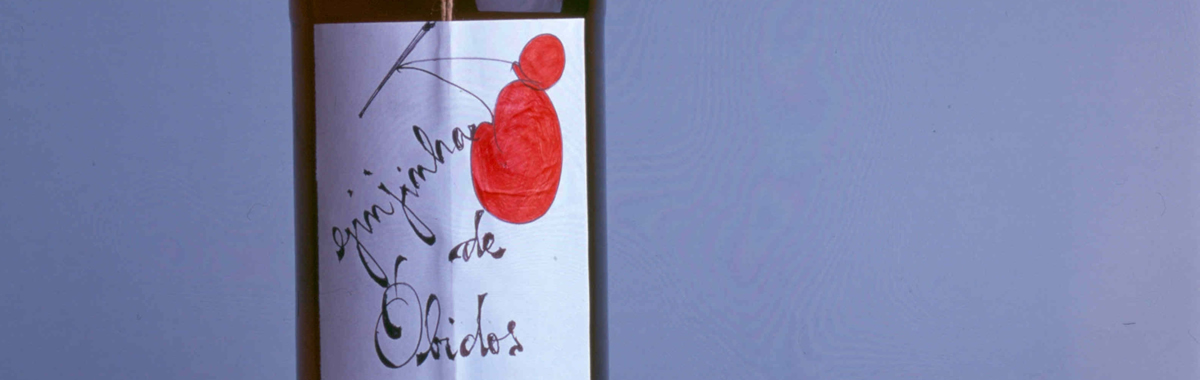
The Royal College of the Ursulines of Pereira, founded in 1748, was the starting point for its dissemination. The Queijadas de Pereira were also portrayed by Josefa d'Óbidos, a famous Portuguese painter.
Representativeness in local food: Queijada de Pereira has always played an important role in the local economy and gastronomy.
Source: DGADR based on elements collected in the Parish of Pereira e Municipality of Montemor-o-Velho.
