



 Português
  English (UK)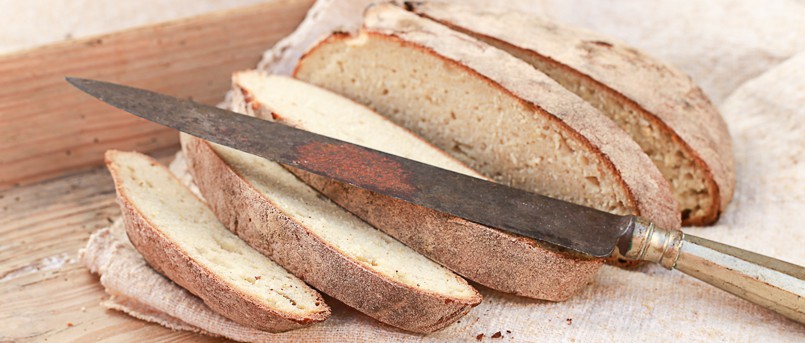
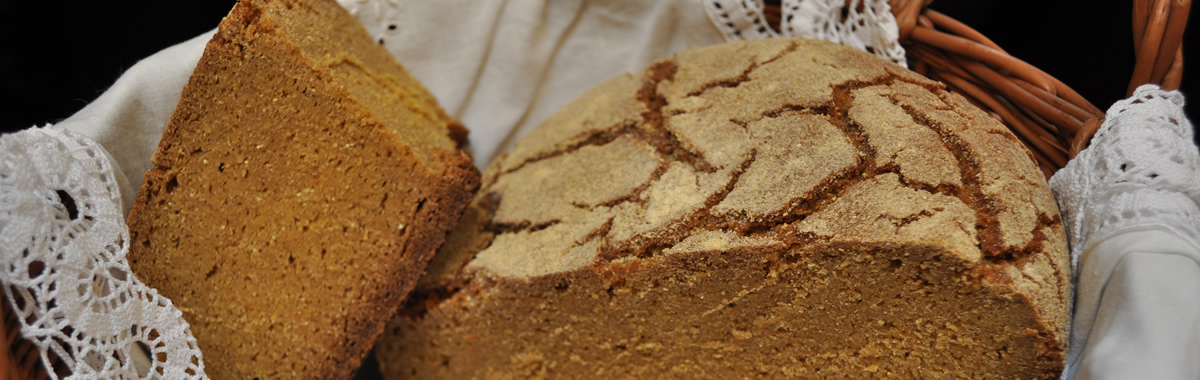
Description: Bread made from white corn flour, salt and baker's yeast.
Region: Center.
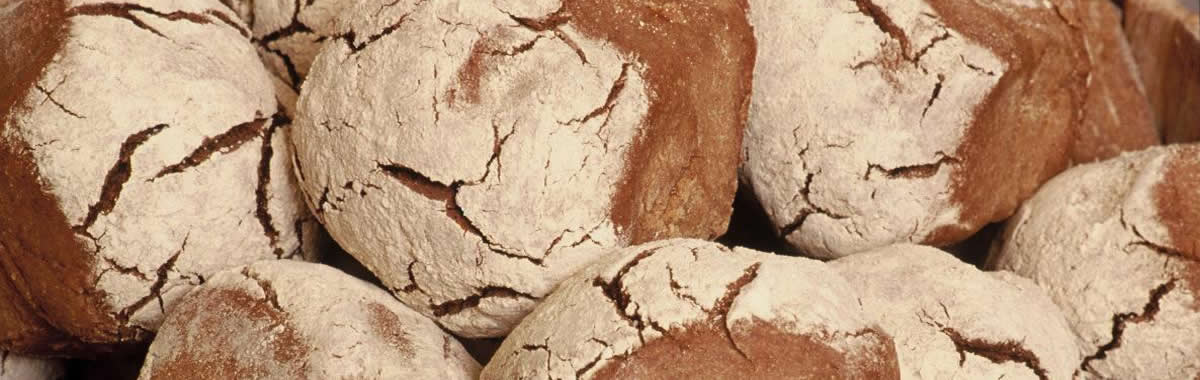
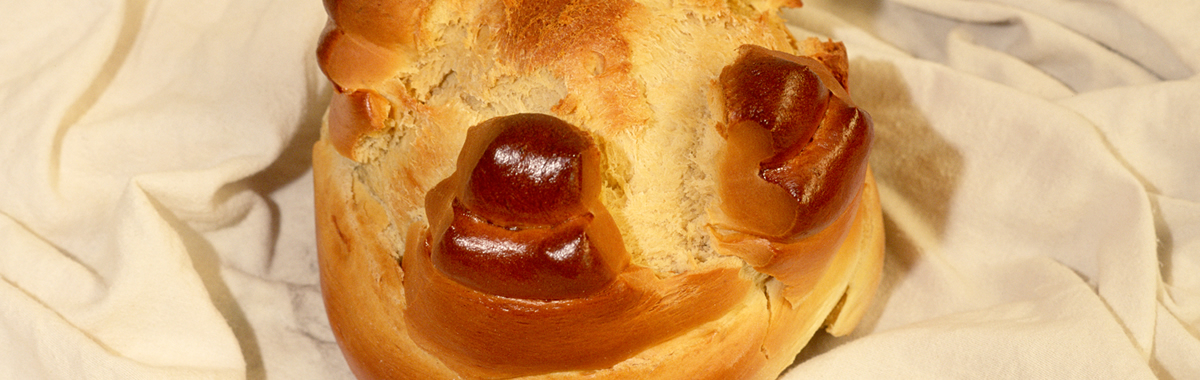
Special features: White cornbread, round in shape and slightly flat. With a crisp yellow-yellow crust and little cracked. Dry, porous and white inner appearance.
Ingredients used: Corn flour, salt, yeast and water.
Preparation: Add the salt dissolved in heated water to the corn flour, after sifting, and then the yeast, kneading very well. Once kneaded, it is left to rise for about two hours. Shape the bread and bake very hot.
Know-how: In traditional processing, wooden "dough mixers" were used for its preparation.
Forms of commercialization: Restaurants and other commercial establishments.
Product availability throughout the year: All year round.
Product history: Broa de Loriga is deeply rooted in local history. It was consumed practically exclusively for more than two centuries, in a context of growing and intensive industrial activity. The workers, the dominant population, combined the cultivation of corn with their activity in industry. The bread for domestic consumption of most families was baked in communal ovens, managed by ovens (tenants or owners) who organized the entire task of baking the bread. After kneading the cornbread, a little flour was poured on top and blessed, forming a cross on the dough so that it could be blessed and "prayers" were chanted so that it would rise a lot in the process of leavening. The broas were identified with signs to know where they belonged (number of "pinches" or holes, or even with metallic objects stuck in the dough).
Representativeness in local food: Bread has been, over time, a food of vital importance for Loriga and its inhabitants.
Source: Produtos Tradicionais Portugueses, Lisboa, DGDR, 2001
