

 Português
  English (UK)
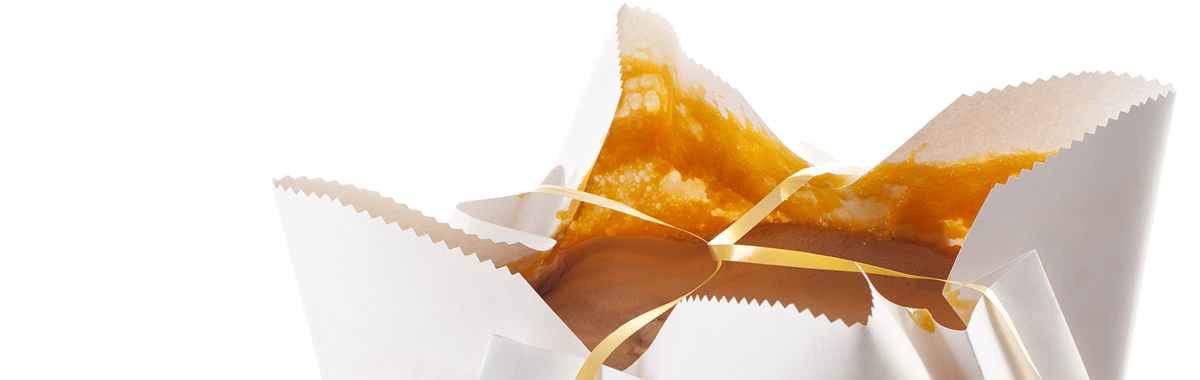
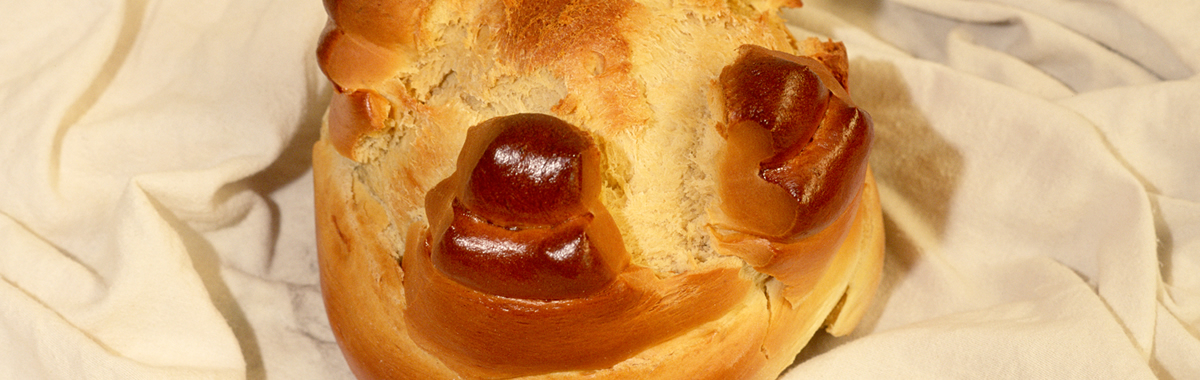
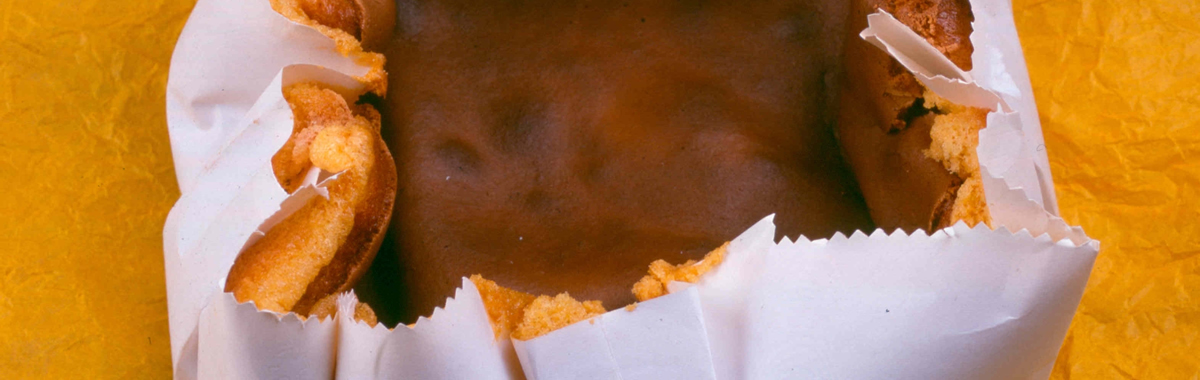
Description: Egg, flour and sugar cake, round in shape and toasted yellow color. It weighs 250 or 800 g and the diameter is 20 to 25 cm respectively. It is presented in individual cardboard boxes.
Region: Lisbon and Tagus Valley.
Other denominations: Pão-de-Lá Cláudia (trademark).
Particularity: Cake whose central part has a creamy consistency, which is called ló.
History: The Pão-de-Ló de Rio Maior began to be produced 30 years ago by Mrs. Maria Alice Sequeira, who started her activity with the homemade Pão-de-Ló de Alfeizerão and then modified the recipe un-til she achieved the formula of the current Pão-de-Ló de Rio Maior. He then sold the patent to Messrs. Joaquim Costa Nazaré and Joaquim Luís Vicente da Silva, and the latter later sold his share to the former. The cake began to be appreciated and it was the con-sumers themselves who promoted the product to friends and acquaintances. Its consumption extends to the municipalities of Rio Maior, Pombal, Lisbon, etc. Today, Pão-de-Ló de Rio Maior participates in the Feira das Tasquinhas de Rio Maior, the National Agriculture Fair of Santarém and gastronomic fairs in various places in the country, such as Porto, Vila do Conde and Barcelos. It is also referenced as being part of the local gastronomy in tourist itineraries of the Western Tourism Regions and in the Hotel Industry Suppliers Guide and the like.
Use: It is a dessert cake, being consumed in larger quantities during Carnival and Easter.
Know-how: The mixture of eggs, sugar and flour is cooked at a temperature of 240 °C.
Source: Produtos Tradicionais Portugueses, Lisboa, DGDR, 2001
