







 Português
  English (UK)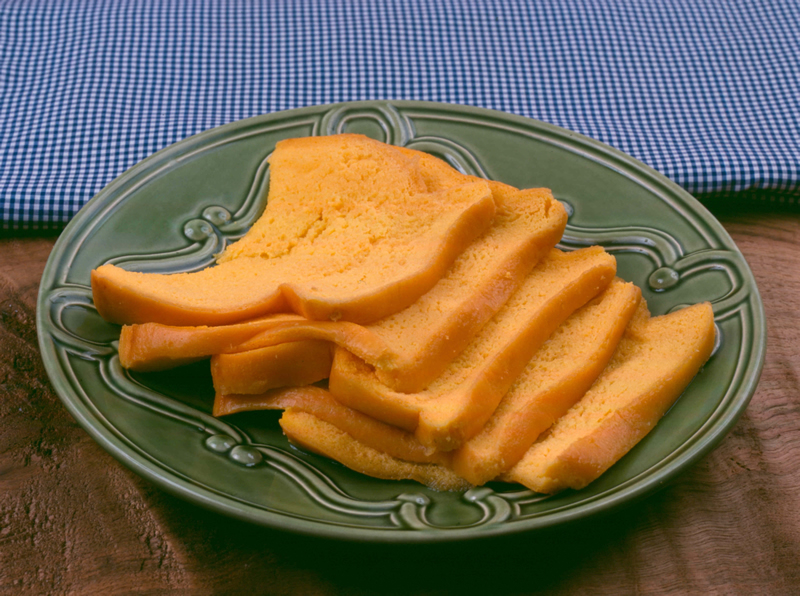
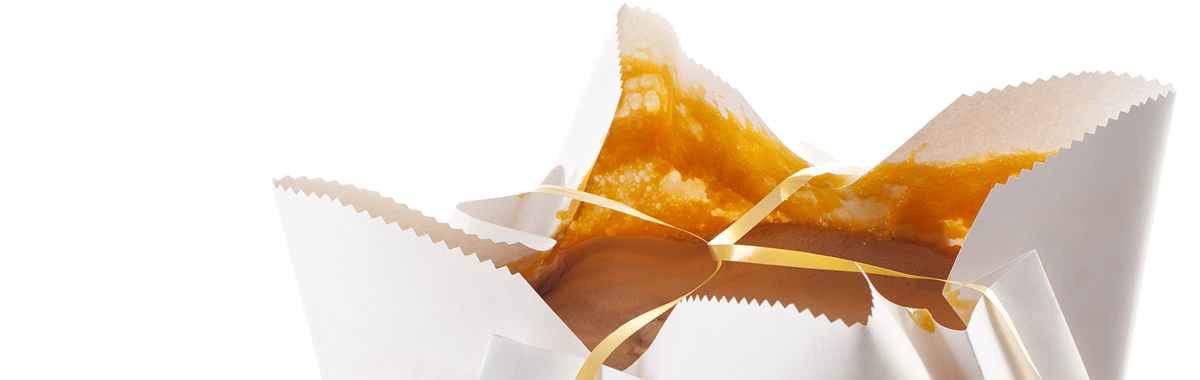
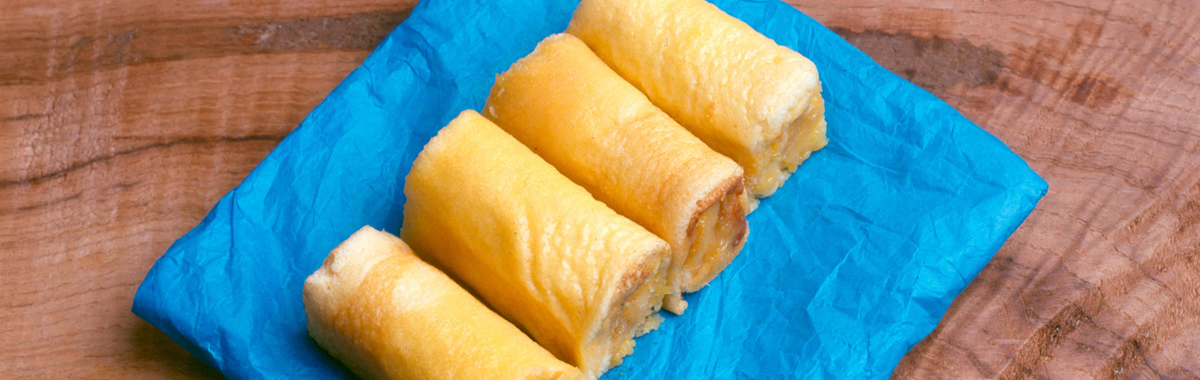
Description: As their name implies, they are shaped like slices of bread. They have a soft and moist consistency. The slices are made with beaten egg yolks which, after cooking, are soaked in a sugar syrup. Commercially, they are packaged in hermetically sealed glass jars.
Region: Lisbon and Tagus Valley.
Other denominations: Slices of China.
Special feature: This jam has an appearance similar to slices of yellow and wet bread, due to the type of soaking in sugar syrup and its cooking, carried out in a very typical chimney pot.
History: The recipe for Fatias de Tomar originated in the Convent of the Templars, being a conventual sweet par excellence. José Quitério highlights the Fatias de Tomar from the set of Tomarian sweets, stating that "... more than this and more than anything, are the Fatias de Tomar, formerly called Fatias da China, but always attached to the Templar village. An exceptional creation for the simplicity of elements and means". The place and date of birth of Fatias de Tomar are unknown but the first reference with this name appears in Arte de Cozinha de João da Mata, in 1876. In the work The Sweet... never bitter, by Emanuel Ribeiro, from 1928, it is mentioned that this sweet is a specialty of the socalled Templar RegionTomar.
Use: Very sweet, they are usually eaten as a dessert or to accompany a tea.
Know-how: The yolks, after being separated from the whites, are beaten by hand for an hour. Pour the pasta into an oval pan with a top, cooking in a bain-marie to boil for an hour. Once cooked, the slices are cut and introduced into boiling sugar syrup, turning several times. The leaf pans used are fitted with a chimney, through which boiling water is added in order to keep the pan immersed throughout cooking. These pots are, in themselves, a characteristic and artisanal product of the region.
Source: Produtos Tradicionais Portugueses, Lisboa, DGDR, 2001
