



 Português
  English (UK)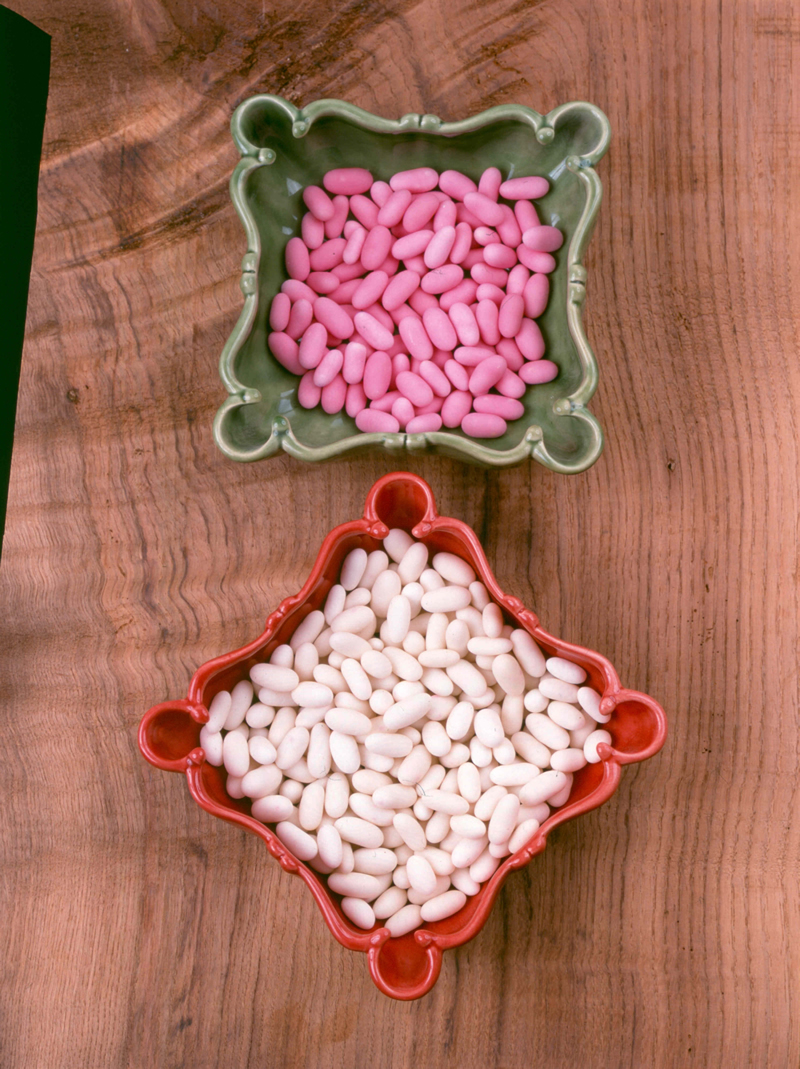
Description: Confectionery made from pine nuts, usually toasted, sugar, dye and flour.
Region: Lisbon and Tagus Valley.
Variants: White pine nut confectionery. Pink pine nut sprinkles.
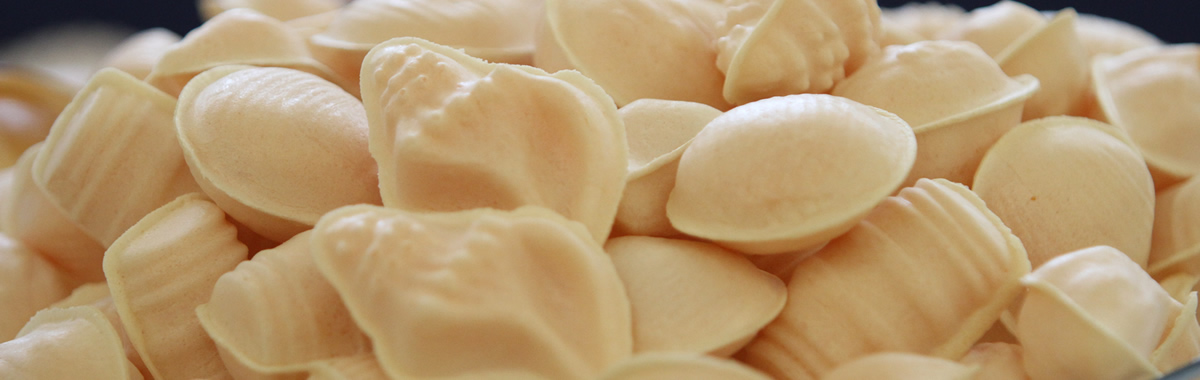
Particularity: Confectionery with an elongated, oval shape, with the shape and approximate dimensions of a pine nut. They are white or pink, usually sold in a mixture, in colourless cellophane bags.
History: The pine nut, nicknamed in the region of Alcácer do Sal as 'ourobranco' due to its high price, is a fruit produced in the Mediterranean area. In Portugal, it is common to consume confit almonds for Easter, perhaps as miniatures or substitutes for Easter eggs. Following the use of this southern fruit in the manufacture of Easter sweets, decades ago, especially in the Lisbon region, the Pinhão Confectionery began to appear, with great success. At Easter it was usual for friends to make games/promises of offering almonds and confectionery, to be paid for right after the ringing of the church bells proclaiming the Hallelujah and which were celebrated with a ritual phrase: «Contract... Contract we will make... and on Holy Saturday we will offer."
Use: As a treat and as a gift to give to godchildren or as payment for "contracts" (Easter games).
Know-how: The recipe is, despite the diversity of manufacturers, still more or less secret today. A sugar syrup is made that is brought to the necessary point, after which the pine nuts are introduced, previously floured for the sugar syrup to adhere. The container in which they are contained then undergoes an oscillatory movement to form concentric layers of sugar. In the past, all confectionery was manufactured in white. Later they began to take a last layer of sugar, with dye, to give them the pink color that some have. They cool carefully, moving around so as not to adhere or deform.
Source: Produtos Tradicionais Portugueses, Lisboa, DGDR, 2001
