
















 Português
  English (UK)
Description: Sweet made with flour, peeled almond kernels, eggs, butter, cinnamon, sugar and a pinch of clove powder.
Region: Alentejo.
Other denominations: Bacon-do-Céu da Madre Abadessa.
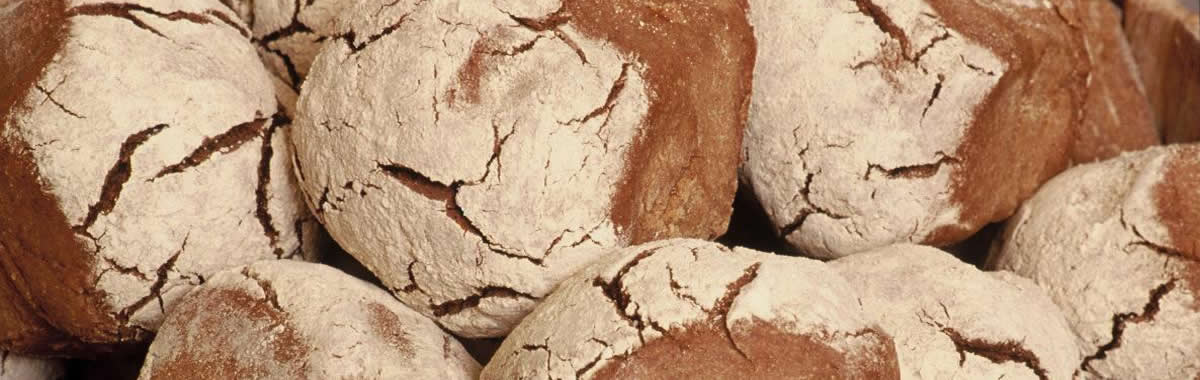
Special feature: Sweet with the appearance of a round cake, shaped like a cheese about 15 to 20 cm in diameter and abundantly sprinkled with powdered sugar.
History: Conventual sweet that is part of the traditional Portuguese sweets, as it acquired a national character from the nineteenth century onwards. Several recipes of Toucinho-do-Céu are known that correspond to the various regions of the country, with the Alentejo being characterized by the use of spices, in which the Alentejo cuisine is lavish. Its name is possibly due to its appearance, which is similar to that of some sweets made with ground bacon, and which are known as bacons. The Convent of Santa Mónica was the first of its kind in Portugal. It was extinguished on February 11, 1881. Between 1790/92, the convent suffered an internal upheaval described in the form of a monastic history. In this story, there are references to some sweets from the convent, including the Toucinho-do-Céu.
Use: As a dessert and exquisite treat.
Know-how: Mix the eggs, sugar, butter, cloves and cinnamon. Add the grated almonds and flour. It goes to the oven in a well-greased pan and covered with a thick layer of flour. Once unmolded, scrape off the excess flour and cover it with powdered sugar. It can be served in individual slices passed through sugar syrup and cinnamon.
Source: Produtos Tradicionais Portugueses, Lisboa, DGDR, 2001
