








 Português
  English (UK)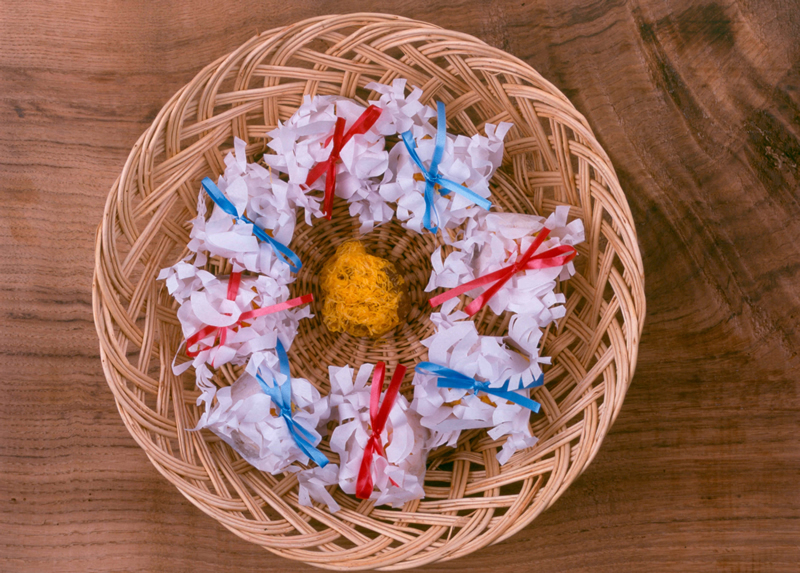
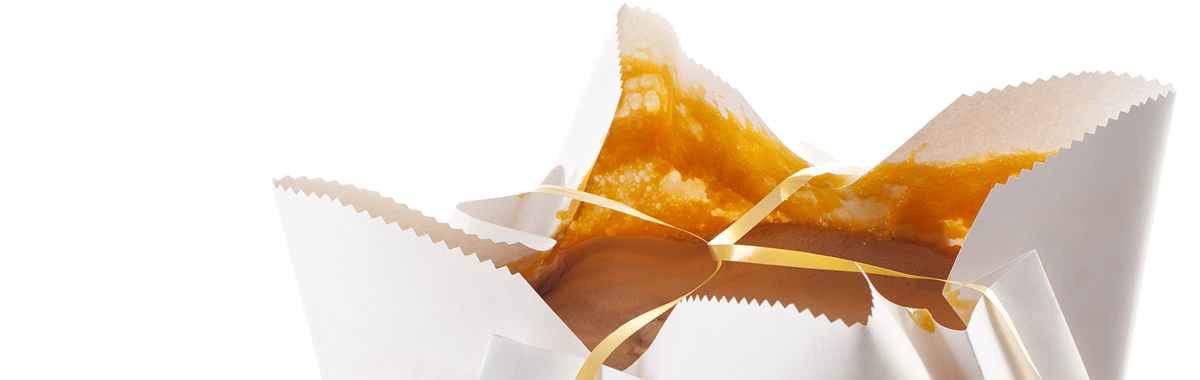
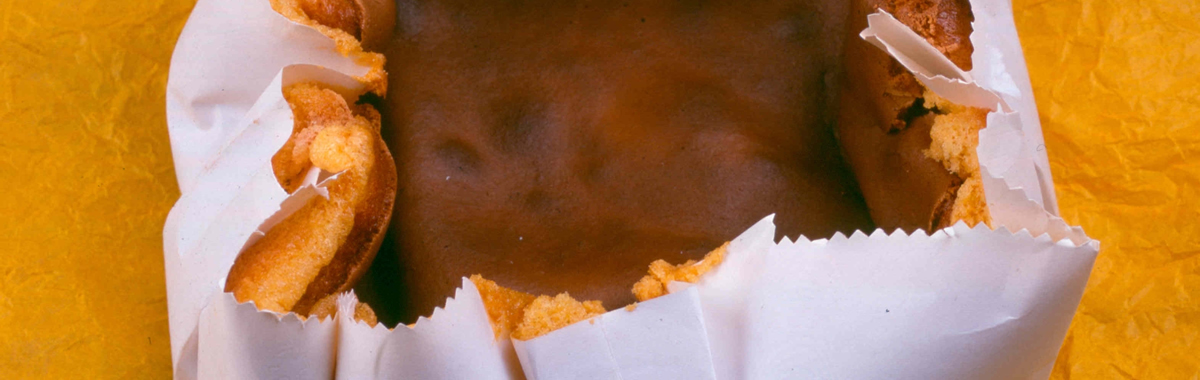
Description: Sweet presented wrapped in tissue paper cut in the shape of lace, composed of almond, egg yolks, bread, gila jam, sugar and cinnamon. It is shaped like a low spherical cap, covered with strings of eggs and decorated with candied fruit or silver sweet pearls. It comes in different sizes, the most traditional being the one between 0,5 and 1 kg. However, because it is a very famous sweet, although expensive, there are those who manufacture it in small size, that is, sweets with about 5 to 6 cm in diameter.
Region: Alentejo.
Other denominations: Tiborna de ovos de Vila Viçosa. Tiborna Grande. Tiborna of eggs from the Convent of Hope.
Particularity: Jam with a rounded shape, consisting of a layer of practically white marzipan, filled with egg jam, egg threads and gila jam.
History: It is a conventual sweet widely used in banquets at the Vila Viçosa Palace (royal palace from the seventeenth century). It is believed that they were made, under secrecy, by nuns from a nearby convent, the Convent of Chagas de Vila Viçosa, as it was only in the nineteenth century that their recipe was disclosed. However, in a book published in the eighteenth century, references to this sweet have already appeared. In more modern books, this sweet is mentioned as a heritage of the recipes of the Convent of Hope in Vila Viçosa.
Use: As a dessert and treat. Given their category and presentation, the Tibornas were gifts of honor when one wished to honor someone.
Know-how: With the sugar, a little water and half of the yolks, egg threads are made that are reserved. With the sugar that remains, the almonds, the bread, the cinnamon and the remaining egg yolks, a marzipan is made. To set up the Tiborna, line a bowl with parchment paper and then line it with a layer of marzipan. The central cavity is filled with gila jam that is covered with the rest of the marzipan. The next day it is unmolded on a cut tissue paper, covered with egg threads and decorated with silver pearls and/or candied fruits. The ends of the tissue paper are tied with wool or silk threads of various colors.
Source: Produtos Tradicionais Portugueses, Lisboa, DGDR, 2001
