


 Português
  English (UK)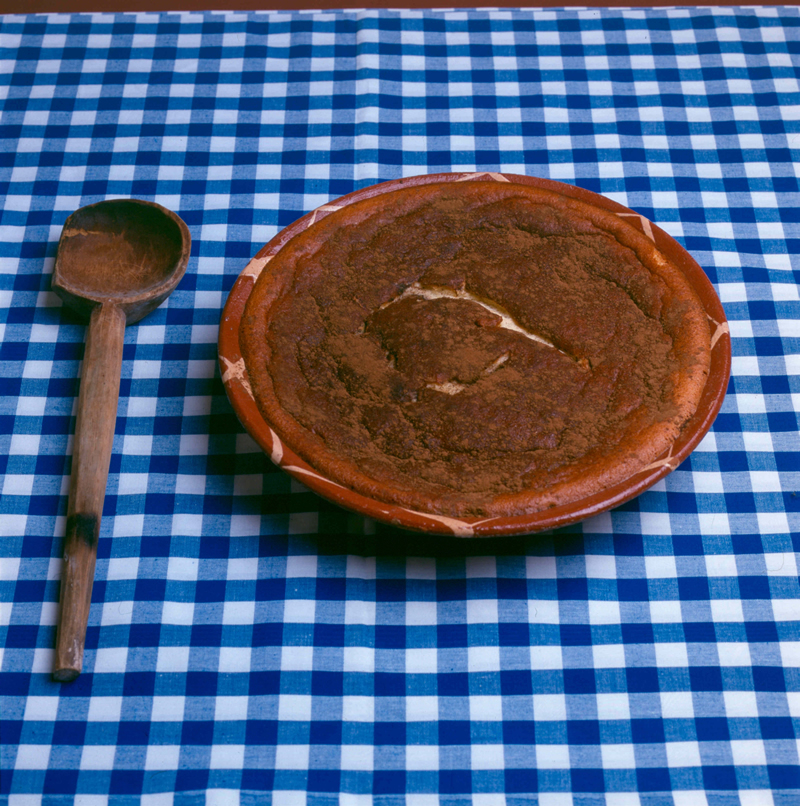
Description: Sweet made with eggs, flour, milk, sugar, cinnamon and lemon peel.
Region: Alentejo.
Other denominations: Siricaia. Sericá. Cericá.
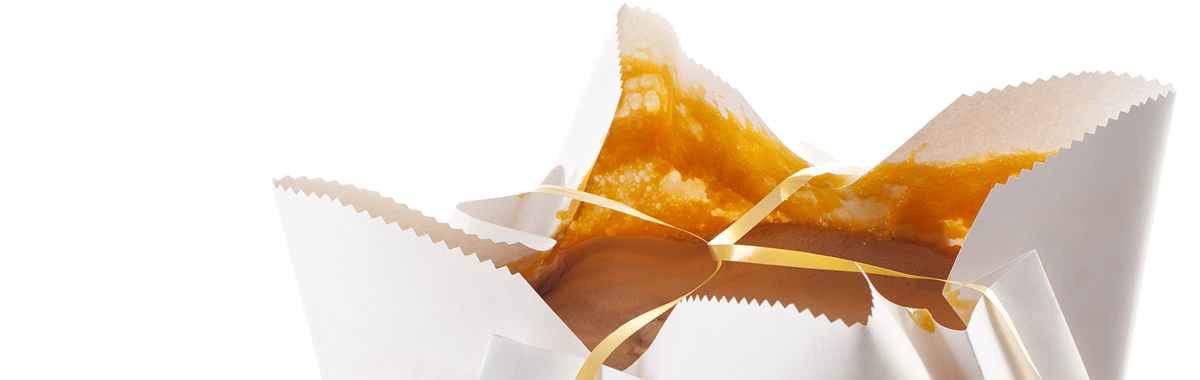
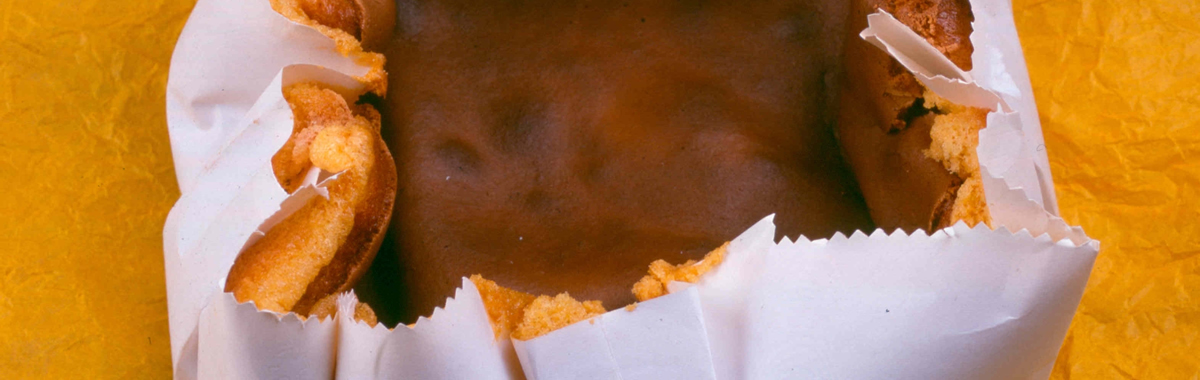
Particularity: Sweet cooked in the oven and that seems to consist of a top layer of egg whites arranged by mismatched spoonfuls and that has cracks. The sweet is sold with the dish in which it goes in the oven.
History: D. Constantino de Bragança, who ruled India in the sixteenth century, brought the recipe for this sweet from the East. It was traditionally baked in pewter dishes, which are still found in the old manor houses. Nowadays they have been replaced by earthenware plates. Those who had good tableware and rich presentation, took advantage of it to bake and serve Sericaia. In the past, it was baked in a baker's oven, wood-fired, as it was the only one that guaranteed the high temperature indispensable for the candy topping to open cracks. In the 50s, in a national contest organized by Radiotelevisão Portuguesa and the National Secretariat of Information, Mrs. Maria do Carmo B. e Almeida was classified in 2nd place with the making of this sweet.
Use: As a dessert and treat, accompanied by confit and drained Elvas plums. It is indispensable at festive times.
Know-how: Beat the egg yolks with the sugar, add the flour diluted in the milk, which has been previously boiled with lemon peel and cinnamon. Bake and add the beaten egg whites. The mixture is spooned into an oven-safe dish, alternating each spoonful arranged trans-versely on the plate with another placed lengthwise. Bake in a very hot oven to open cracks. Commercially, they are presented in earth-enware plates of three sizes.
Source: Produtos Tradicionais Portugueses, Lisboa, DGDR, 2001
