


 Português
  English (UK)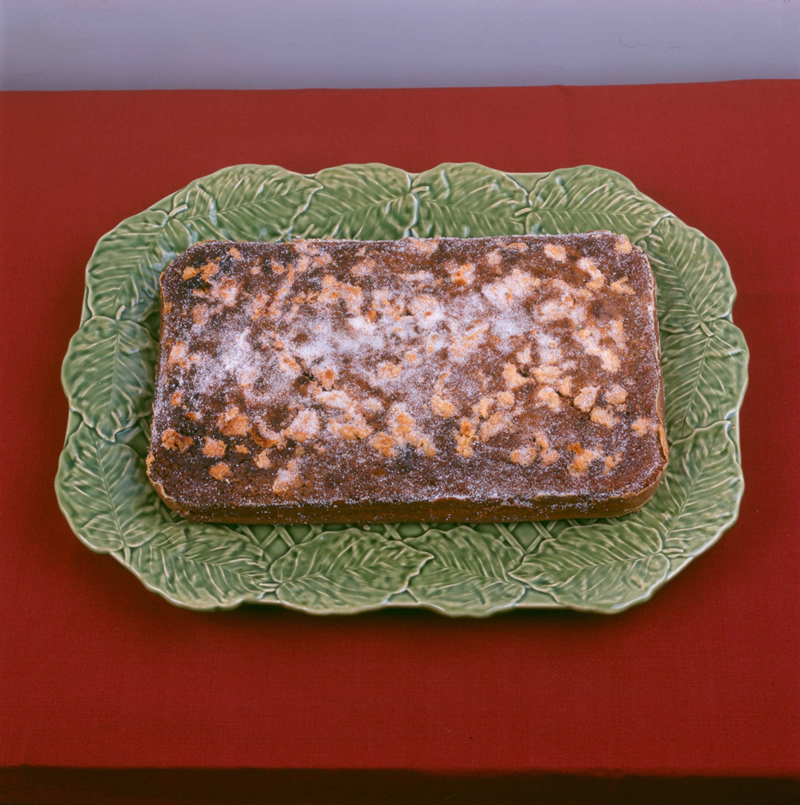
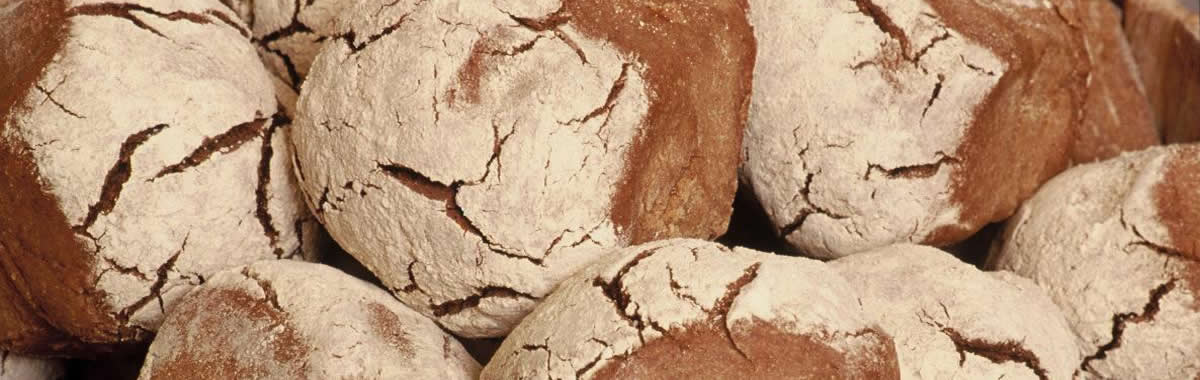
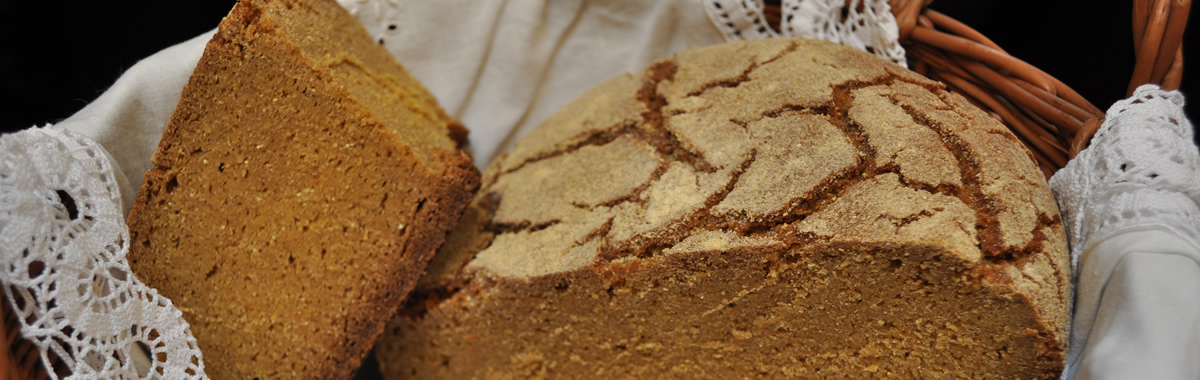
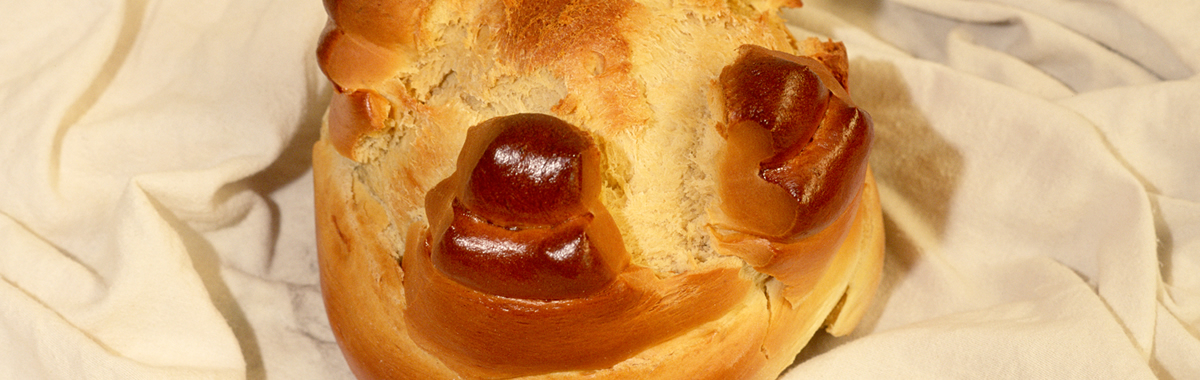
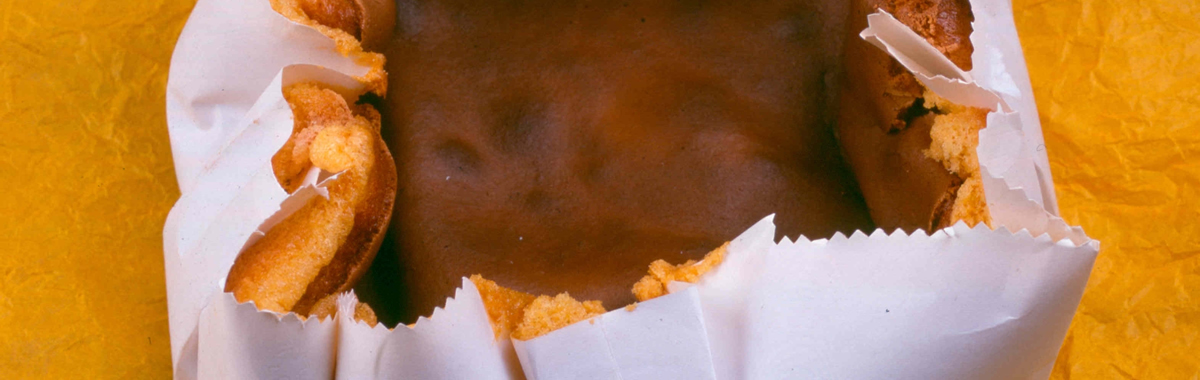
Description: Cake prepared from the remains of bread dough added with brown sugar, cracklings and cinnamon. It has a round or rec-tangular shape, dark brownish color and weighs between 1.5 to 2 kg. Most of the time it is tall and fluffy like bread, although in some variants it is shorter and heavier, depending on the type and amount of yeast.
Region: Alentejo.
Other denominations: Bolema de Torresmos. Bolema Alentejana. Finta Dough Cake with Cracklings.
Variants: Fillet (without cracklings, as manufactured in Portalegre).
Special feature: Bread dough cake with cracklings and sugar, sprinkled with cinnamon and sugar.
History: It is a typical Alentejo cake made after the pig slaughter season, and it is impossible to know its origin. The term 'enxovalhada' means something that looks ugly and unclean, and is undoubtedly due to the very dark colour of the dough resulting from the presence of cinnamon and greaves. It is one of the socalled "cakes of the poor" because it does not include expensive products such as eggs and almonds. In a recent publication, dedicated to the study of Alentejo gastronomy, two recipes for this popular cake appear. The other name given to it, «bolema», can be understood as proof of the special Alentejo humour that derives from the word cake, belittling it and connoting it with a cake made with less noble materials.
Use: Consumed at breakfast or as a snack.
Know-how: The remains of the bread dough are mixed with brown sugar, cinnamon and cracklings. This mixture, sprinkled with sugar and cinnamon, is placed on a greased tray and baked in the oven, usually wood-fired. Once cooled, the Enxovalhada is cut into coarse squares or triangular slices.
Source: Produtos Tradicionais Portugueses, Lisboa, DGDR, 2001
