








 Português
  English (UK)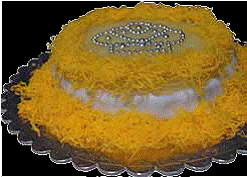
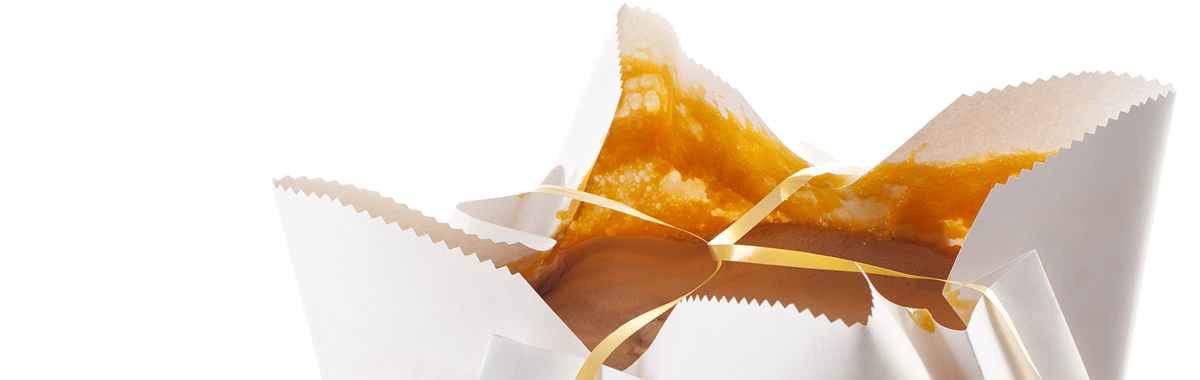
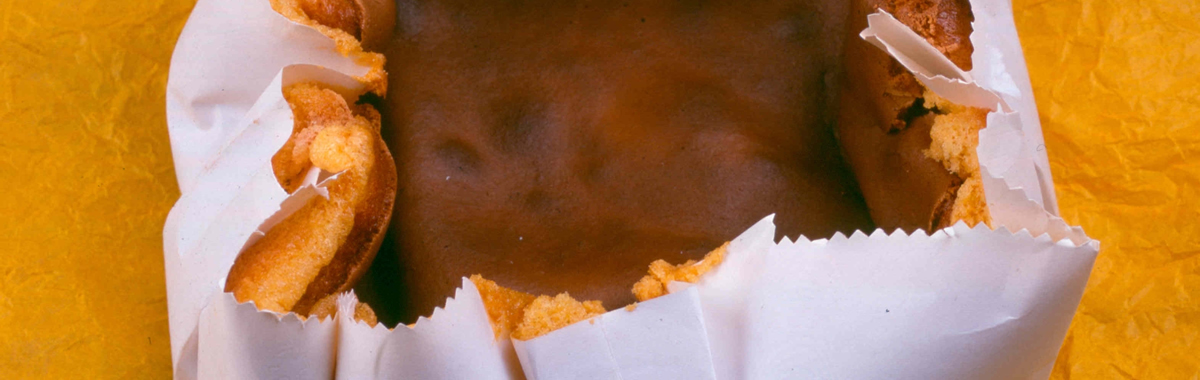
Description: Cake made from egg yolks, sugar, almonds and gila jam (chila).
Special characteristics: Conventual sweet with a strong almond and chila flavor.
Region: Alentejo.
Ingredients used: Egg yolks, sugar, almond and gila jam (chila).
Preparation: In a saucepan, heat thesugar and water until it reaches a weak sugar point; then mix with the waterand stir until it reaches a point on the road. Let it cool a little and mix the egg yolks properly passed through the sieve. The dough is allowed to rest overnight and put it in the oven in a greased form and lined with parchment paper. In the pan, place half of the dough and on top a thin layer of gila, cover with the remaining dough and take it to the oven. After cooking and cooling, the cake is covered with fondant, on top it takes a layer of gila. Finally, a crown in pisturtledoves and egg threads to decorate.
Know-how: The recipes, secrets well kept by the nuns, have been re-vealed over time.
Forms of commercialization: Confectioneries.
Product availability throughout the year: All year round.
Product history: In the municipality of Viana do Alentejo there are several conventual sweets that mark its identity. According to some records, already in the fifteenth century sweets such as Enxovalhada, Bolo Real and Bolo Conde de Alcáçovas were known and appreciated and are still made in a traditional way today. The location of the Convent of Jesus was very important for the confectionery. In the production of wine, egg whites were used to lighten the wine and the yolks were donated, by the hundreds, to the nuns, who used them to create various sweets, including the Royal Cake.
Representativeness in local food: Typical cake of the festive seasons in Alentejo.
Source: DGADR, based on the book Receitas e Sabores dos Territórios Rurais, MINHA TERRA, 2013 e em "Cozinha Tradicional Portuguesa", Maria De Lourdes Modesto, 1982, Verbo Editora.
Photo: Provided by MINHA TERRA – Federação Portuguesa de Associações de Desenvolvimento Local.
