





 Português
  English (UK)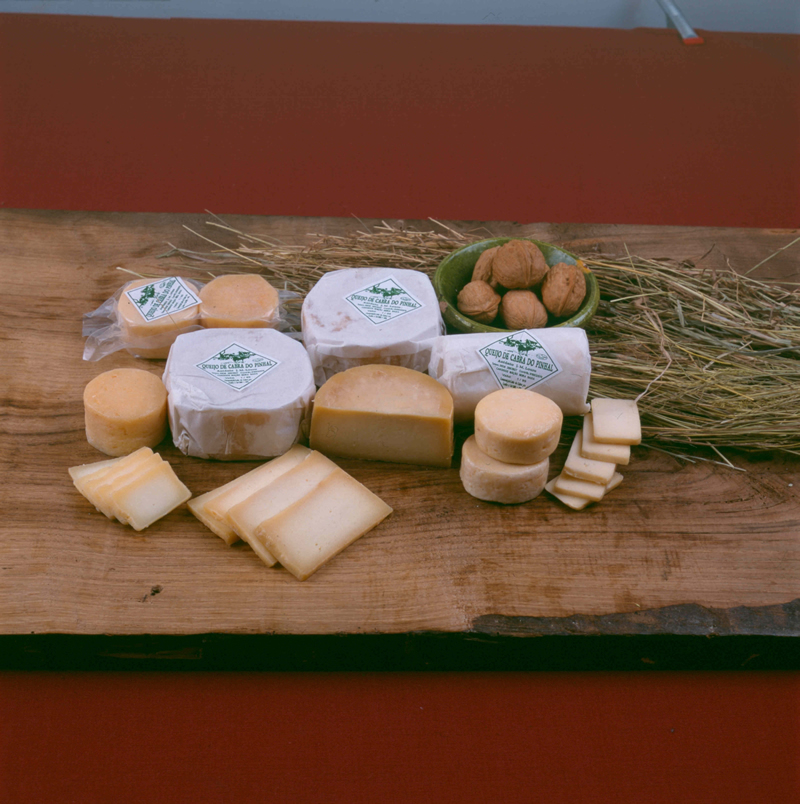
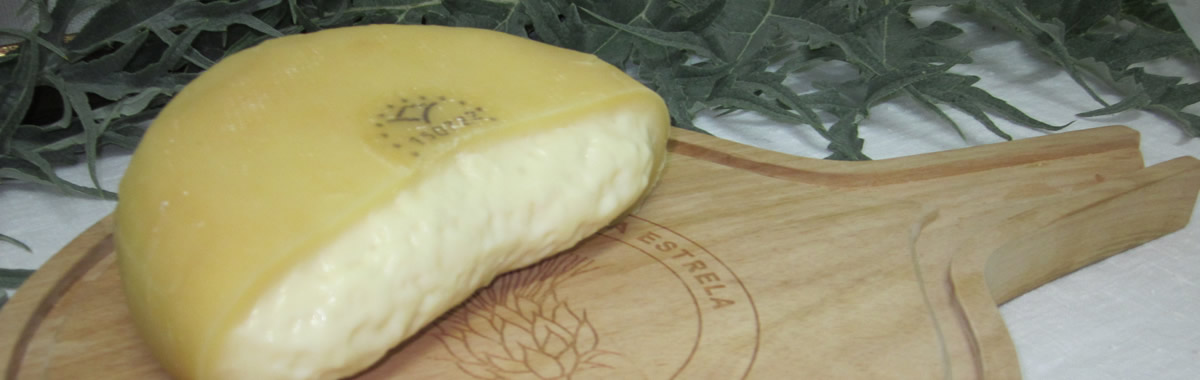
Description: The Pinhal Maior Goat Cheese can be presented in the form of a plate and cheeses. 'Prato' cheeses have a low cylindrical shape, a diameter of between 15 and 20 cm and a height of between 3 and 5 cm. This type of cheese has a variable weight between 400 and 600 g. Its colour varies, depending on the period of ripening of the cheese, from white to cream in semi-cured cheeses and yellow in more cured cheeses. The texture of the crust is also variable, be-ing rougher in cheeses with a longer ripening period.
The cheeses have smaller dimensions: a diameter of approximately 6 cm, a height of between 3 and 5 cm and a cylinder shape. Its weight does not exceed 150 g. These cheeses can be semi-cured, cured or preserved in olive oil, the latter forms being the most commonly found on the market.
The colours and textures are similar to those of plate cheeses. Half-cured cheeses have a soft to semi-soft paste (commonly known as a buttery paste), being very aromatic and with a sour flavor. Cured cheeses, on the other hand, have a semi-hard to hard paste, usually with small irregularly distributed eyes and no surface deformation when cut. The «azeite» cheese has the same dimensions as the cheeses described above, the paste is semi-hard type, being malle-able but compact cheeses, rarely looked at, dark yellow to brownish in color and with a sui generis aroma and flavor since the smells and flavors of goat cheeses are added to the fine and slightly acidic taste of olive oil.
Region: Center.
Variants: Queijo de Cabra do Pinhal Maior of semi-cure, cured and «queijo de azeite» (cheese preserved in olive oil). As for size, it can be presented as "plate" cheese and cheeses.
Particularity: Cheese produced from raw and raw goat's milk.
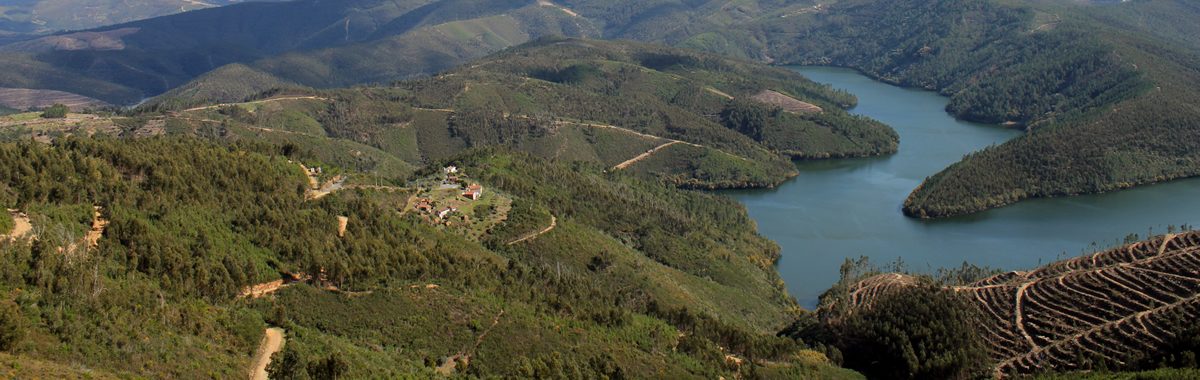
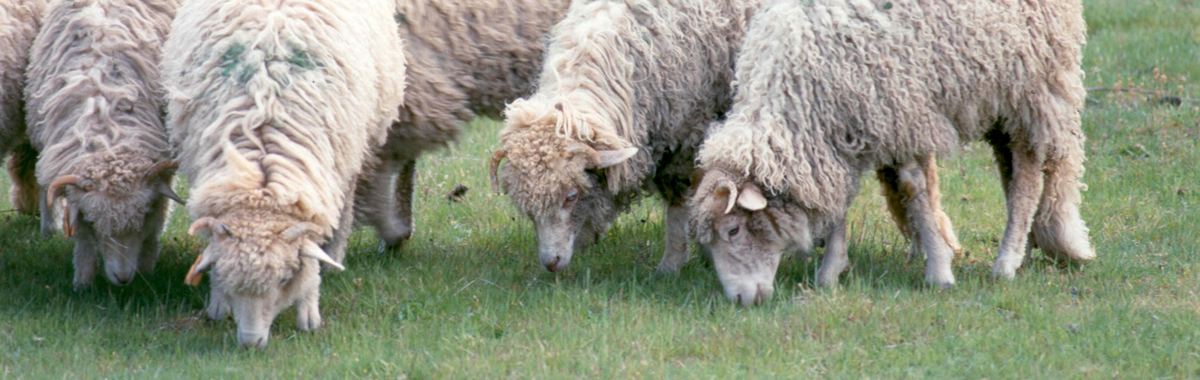
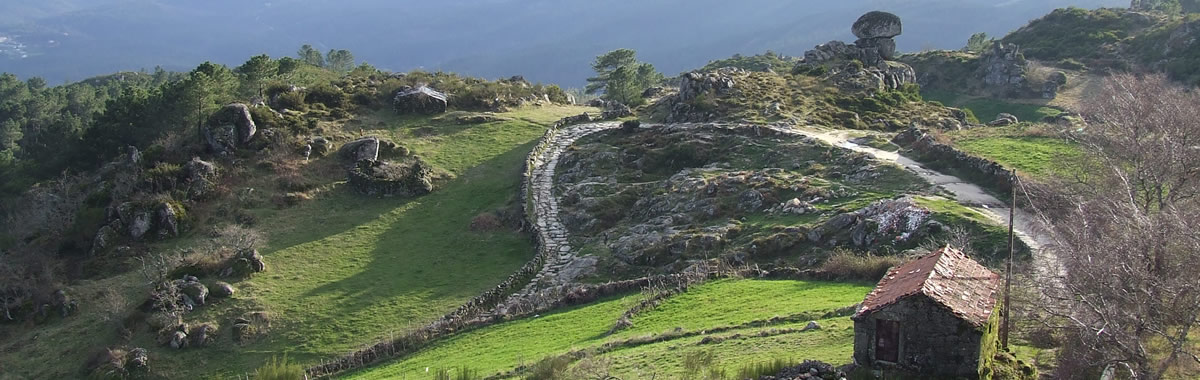
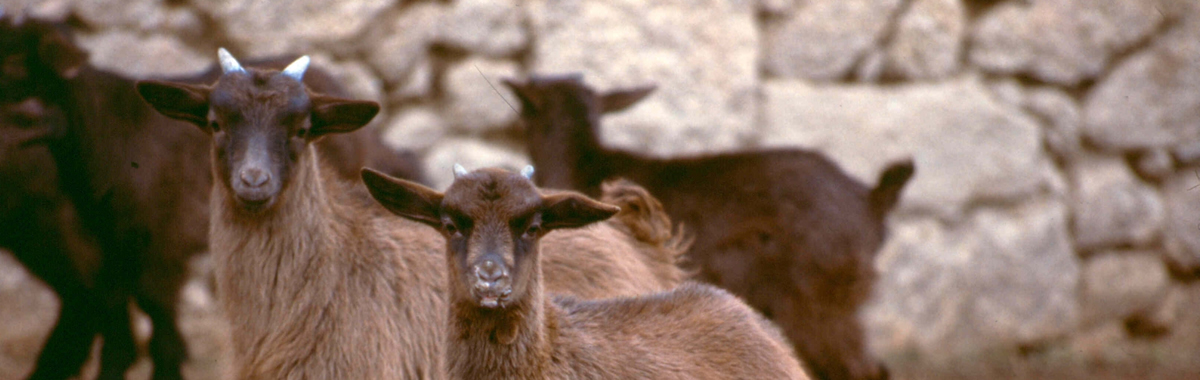
History: The emergence of the tradition of cheese making is the result of two main factors: the only possible livestock farm is that of goats (due to the lack of food and the region's accidents) and the need to preserve food for long periods of time, in a region with a closed economy and difficult access. This is how, since time immemorial, this region has assumed an eminently forested reality. The existence of small and numerous extremely fertile valleys makes it possible to have subsistence agriculture in a complementary exploitation regime. From this brief overview of the primary sector, a secular activity stands out that, as is easily understood, is well adapted, at all levels, to this productive conjuncture: goat farming. At the livestock level, this was and is increasingly assumed as the dominant livestock activity and the only feasible one in a region with these characteristics. Its exploration, basically extensive, is currently carried out in ways similar to those referenced in the existing bibliography and documentation. Goat's milk has always been one of the bases of the diet of these populations, and its consumption in nature has been progressively overtaken by the consumption of its derivative: cheese.
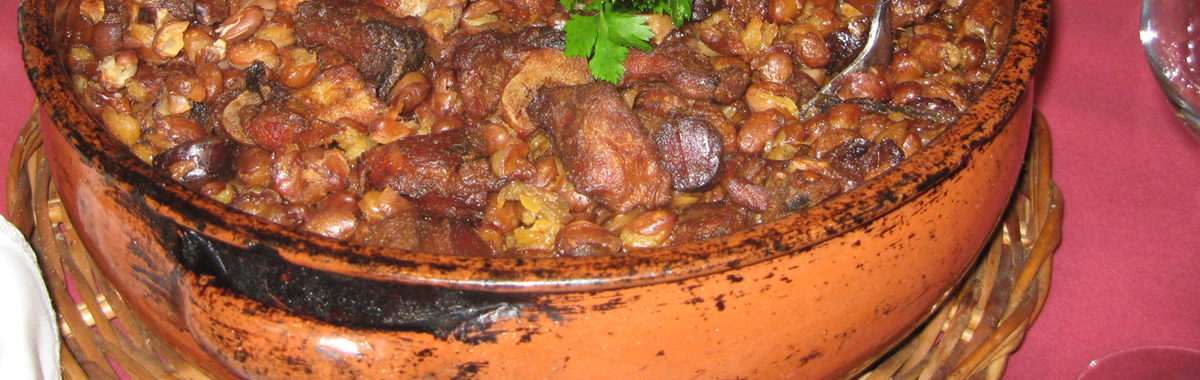
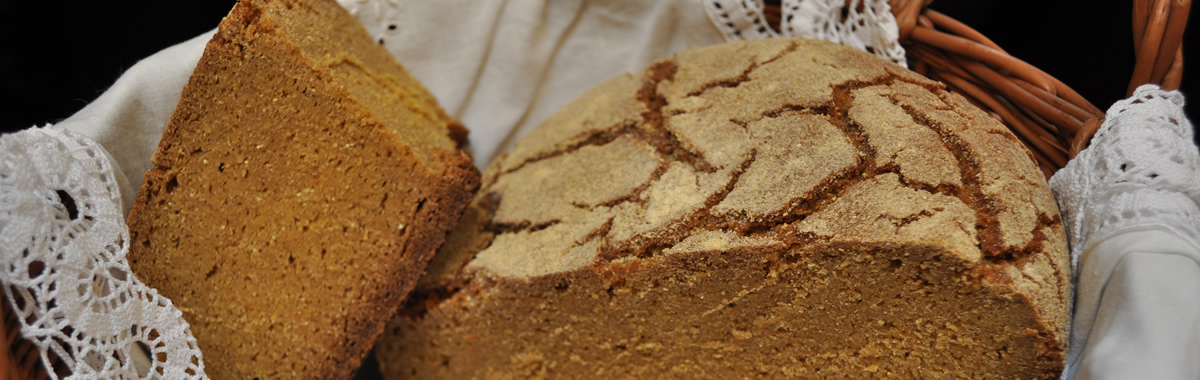
Use: The cheeses of Pinhal Maior are used in the diet of the mountain populations, being, with bread or cornbread, the basis of the shepherds' diet in the mountains. Due to their recognized aromatic characteristics and their characteristic flavor, the cheeses of Pinhal Maior are a mandatory presence in the «cheese boards» of restaurants in the region, being consumed at the end of the meal. Nowadays it is also common to use them as a base for light meals or as starters.
Know-how: The milk is immediately strained (filtered) after milking the goats. Still warm it is coagulated with animal rennet. After about 30 to 40 minutes, the curd, already consistent, is cut in several directions and left to rest for a few minutes so that the draining is more complete. In the enching or molding of the dough, the molds used are the traditional cinchos that allow a variable and progressive tightening. Traditionally, the cheeses were molded in brass cinchos that are progressively being replaced by plastic cinchos. Draining is done by slow depletion of the curd by manual pressure and complementary rest. The salting process takes longer since it is done by depositing coarse salt, alternatively, on one side and the other side. Between each turn of the face there are 12 to 24 hours, and the product is washed and scraped between each turn of the cheeses. Washing and scraping also aim to ensure its organoleptic characteristics. Maturation, carried out in chambers with special temperatures and humidity, lasts for 30 days in semi-ripened cheeses (soft to semi-soft) and varies between 60 and 90 days in cured cheeses (semi-hard to hard paste). 'Olive oil' cheeses are obtained by immersing the cheese more or less prolongedly, after the salting process, in olive oil from the region that has particular characteristics, such as finesse, taste and slight acidity. The period of immersion in olive oil is not revealed, as the excellence of this product depends on it and is therefore kept secret by the masters of its manufacture.
Source: Produtos Tradicionais Portugueses, Lisboa, DGDR, 2001
