




 Português
  English (UK)
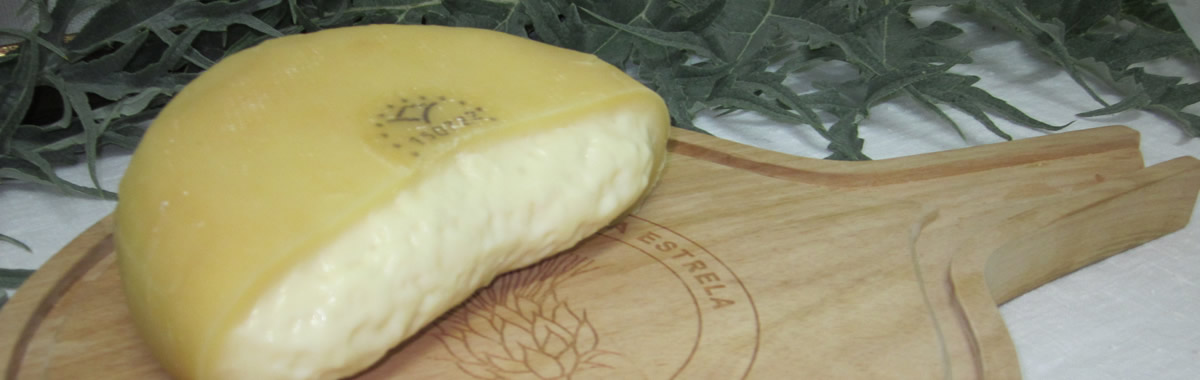
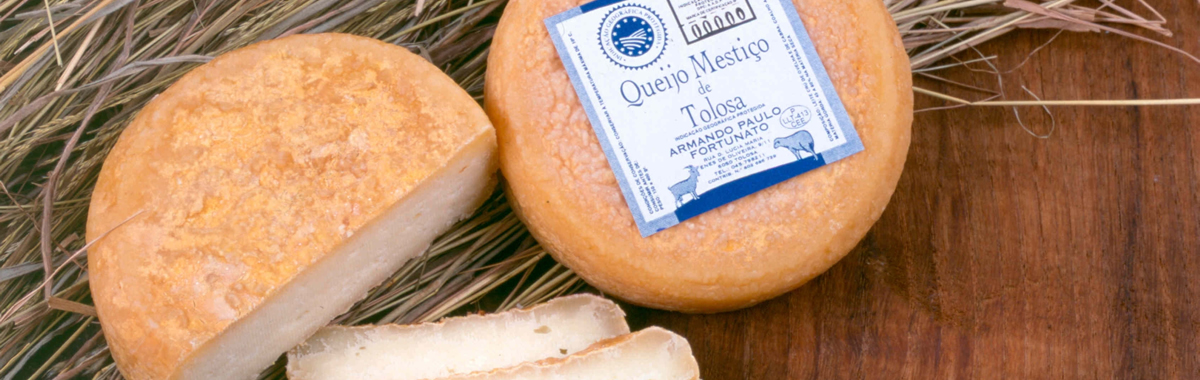
Description: Cheese weighing between 30 and 40 g, small in size (5 cm in diameter and 4 cm in height), ripened, with a straw-yellow rind, with a semi-hard and light paste.
Region: Lisbon and Tagus Valley.
Special feature: Sheep's milk cheese, semi-hard paste and small size.
History: The production of Tomar Cheese represents a traditional ac-tivity in this region of Ribatejo Norte. In an article entitled «The Lost Chapter of Cheeses», by an unknown author, alludes to the cheeses of Tomar from several farms in the region, which were notable for their quality: «Famous among the famous cheeses of Tomar, those of the Casa Agrícola Joaquim Maria de Almeida, heirs». «But also those of Quinta da Anunciada, Quinta do Ó, the Gonçalves da Silva agricultural house, all over the municipality.» José Quitério also refers to Queijo de Tomar. Through his words, he highlights the notoriety achieved by this cheese, its small size, consumed fresh, semi-hard or dried, made only from sheep's milk. From the book Tomar — Perspectives, from 1991, we highlight a small extract of text where, once again, this author characterizes Tomar Cheese as «... pregnant with unctuousness and flavor». On the other hand, this product was once the target of fairs and competitions, demonstrating its quality and typicality.
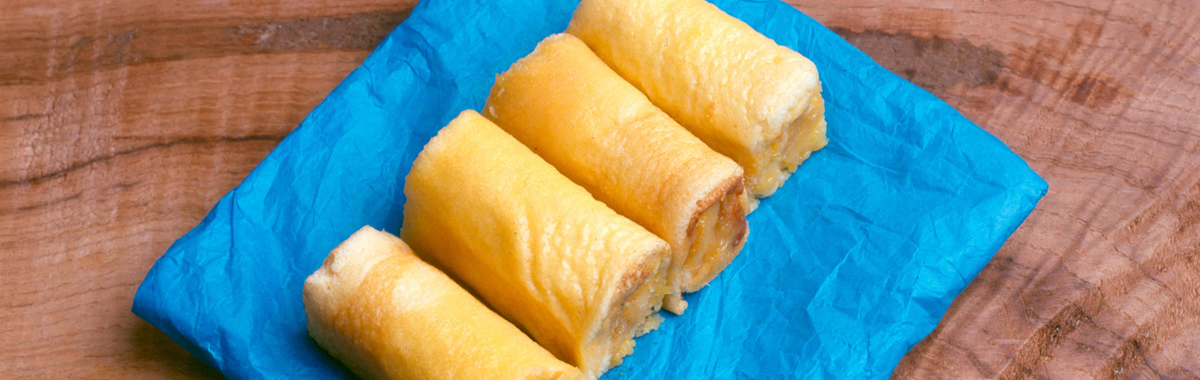
Use: Consumed at any time of the day, and is very common to be included in the starters of meals. Also appreciated as a dessert. When fresh, it is used in many regional pastry recipes, such as queijadinhas.
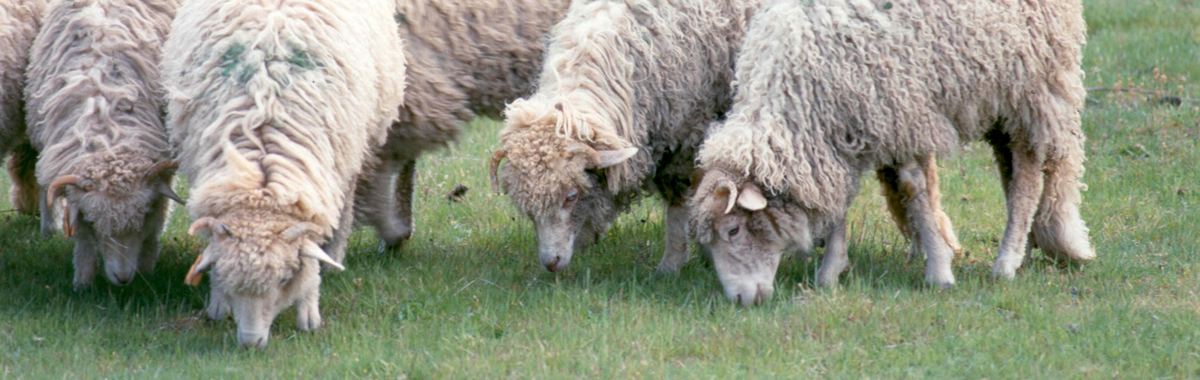
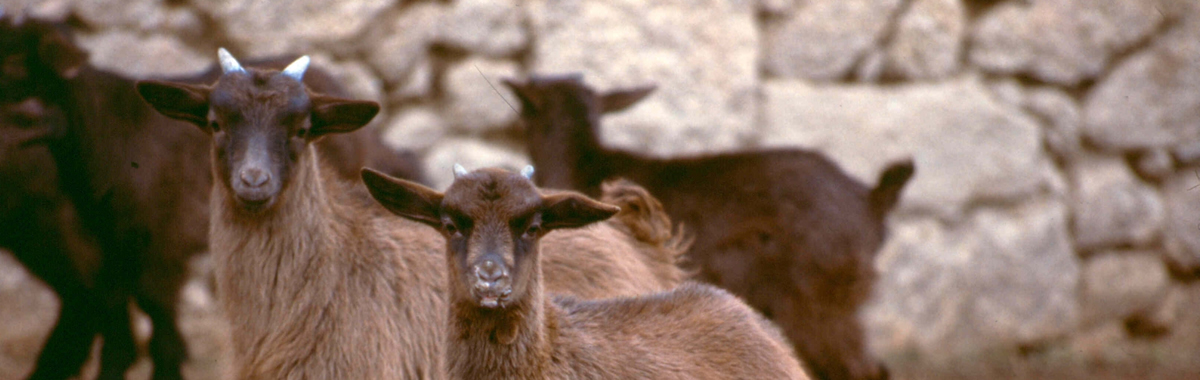
Know-how: The animals are raised in essentially spontaneous pastures, with a great diversity of species, well adapted to the soil and climate conditions of this region. As a coagulating agent, thistle is basically used, and renin is also used. After morning milking, usually by hand, the milk is strained into a jug and transported to the manufacturing room. Here it is heated to a temperature of between 29 and 35 °C by the fireplace or in a water bath. The coagulating agent (preferably thistle) is then added by immersing the 'doll' in the milk. This operation takes between 30 and 50 minutes, until complete coagulation is verified. After coagulation, the curd is transferred to the francela, where it is cut and crushed, in order to separate the whey from the dough. Then hand enching and pressing is carried out, salt-ing the cheese on both sides. After drying for 1 to 2 days, the cheese is unmolded and moved to the curing room, where it remains for 21 days, being returned regularly.
Source: Produtos Tradicionais Portugueses, Lisboa, DGDR, 2001
