











 Português
  English (UK)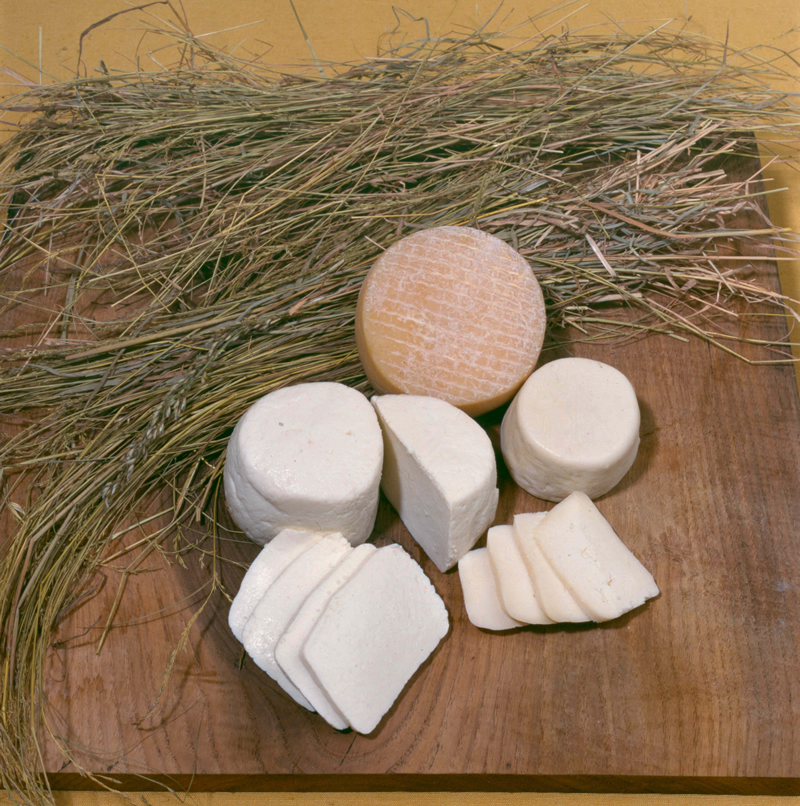
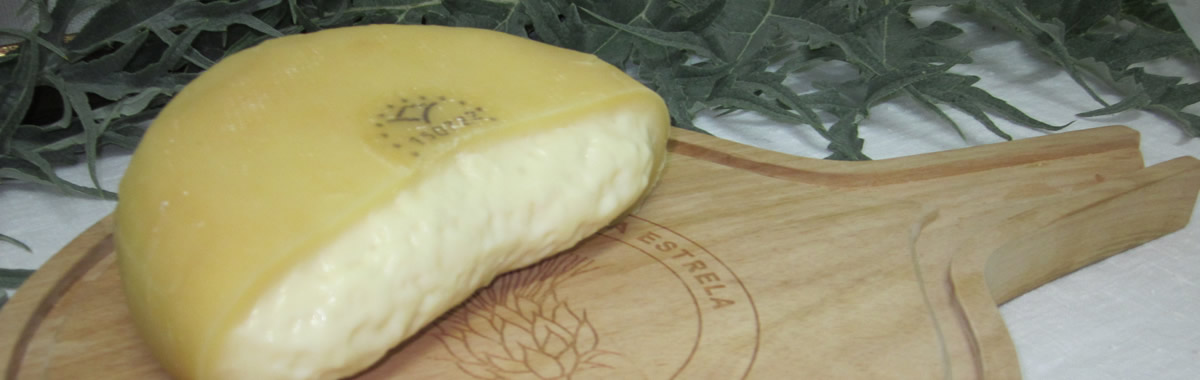
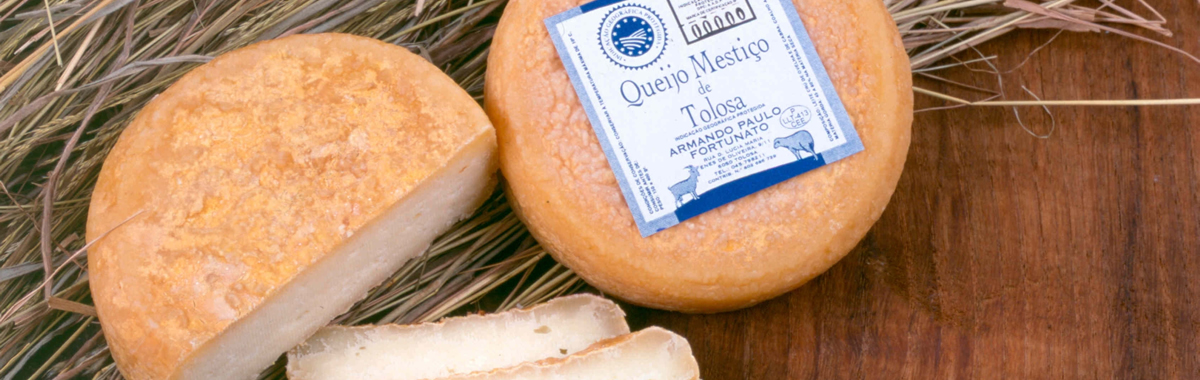
Description: Fresh cheese is a soft cheese with a cylindrical shape, low, weighing approximately 200 g. Cured cheese is the same except for the consistency of the paste, which is hard.
Region: Algarve.
Variants: Fresh goat cheese and dried goat cheese.
Special feature: Fresh goat's milk cheese or cured goat's cheese.
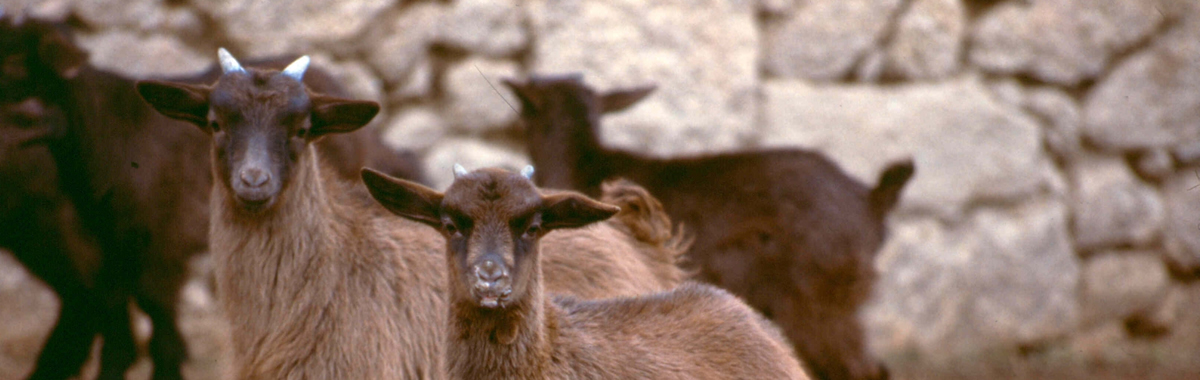
History: The existence of goats in the mountainous lands of the Al-garve dates back many centuries as it is one of the few domesticable animals capable of adapting to the meagre resources available. Goat cheese is linked to the way of life of the sawmill populations, being a way to preserve milk, which is a source of energy throughout the year. Proving the know-how of the population, it can be seen that the production of cheese only begins in January, since it was essential for the family income to sell the «Christmas goats», so only after that festive season was there milk available for the manufacture of cheese.
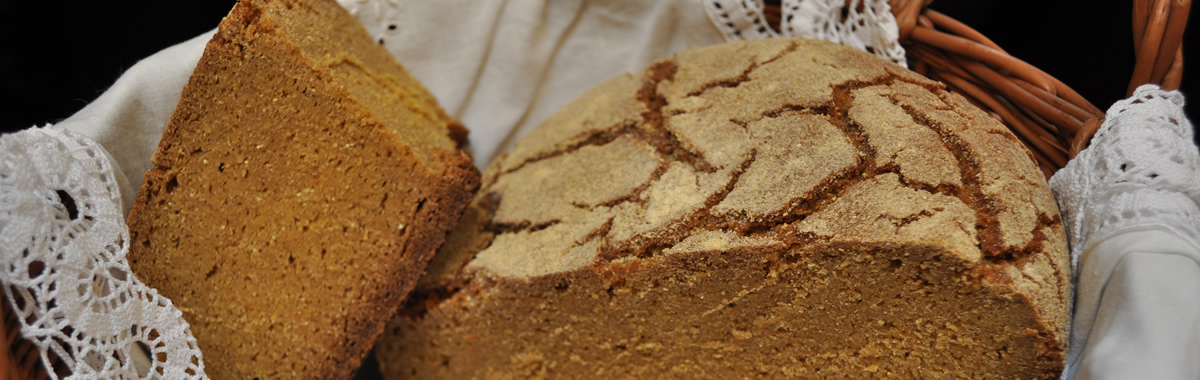
Use: Although most of the production is for sale in markets, a certain amount is always taken for home consumption. It is consumed at any time of the day. It can be a light meal, when accompanied by bread and wine.
Know-how: The Algarve goat lives, for the most part, in freedom and the herds are mostly made up of 40 to 60 animals. After milking, the milk is strained through a cloth, boiled and left to rest to cool down to 40-50 °C. When it reaches the aforementioned temperature, salt is added, which, like thistle, is not weighed, and is at the discretion of the producer. However, the amount of salt in the final product varies between 1,0 and 1,8%. For coagulation, the thistle is previously macerated in water, which is done the day before manufacturing. The macerate is trodden in mortar, added to the maceration water, homogenized and filtered. It is added to milk, right after salt. Shake well and let it rest until it is coagulated, which takes about 1 hour. The curd is cut and exhausted, after which portions of dough are re-moved that are squeezed in the hands gently but with a certain force, until it is considered that it is at the ideal consistency to be filled. In the cincho, the dough suffers even greater pressure. The cheese is then left to rest, until the cincho is needed again for new production. For cured cheese, the amounts of salt are higher, both in the manu-facture and in salting, where the entire exterior is plastered. Here, after resting, the cheeses are arranged on a reed placed in a cool and airy area of the house. They are turned daily until they crust, which in cold weather takes 1 month. When the weather is warmer, the period is shorter, reaching only 10 days. Production runs from January to August, but it is mainly in spring that it reaches its peak. In the past, the preservation of cheese was done by placing them in jars with ol-ive oil. Nowadays cold is used more.
Source: Produtos Tradicionais Portugueses, Lisboa, DGDR, 2001
