






 Português
  English (UK)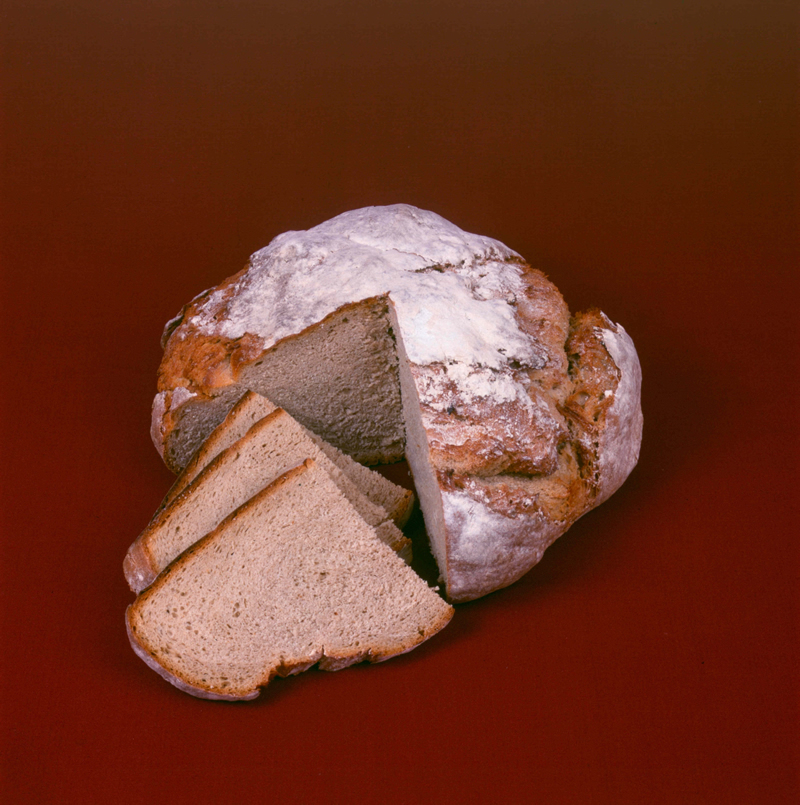
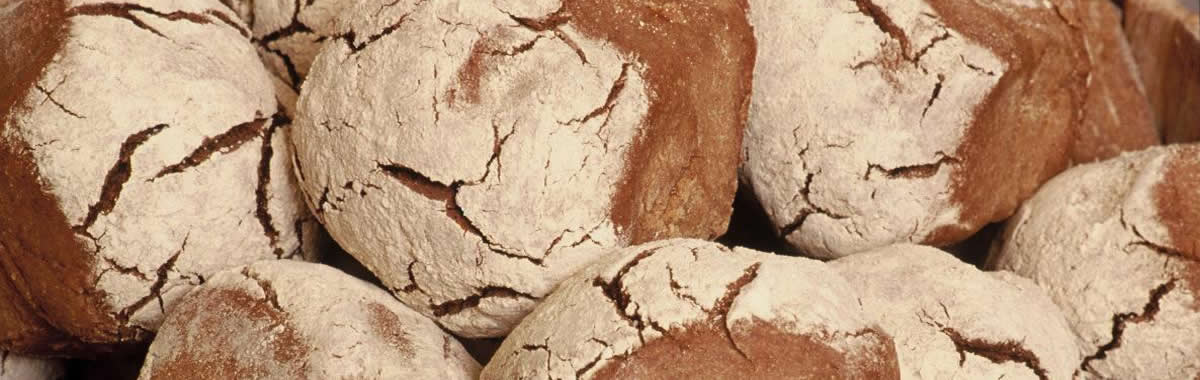
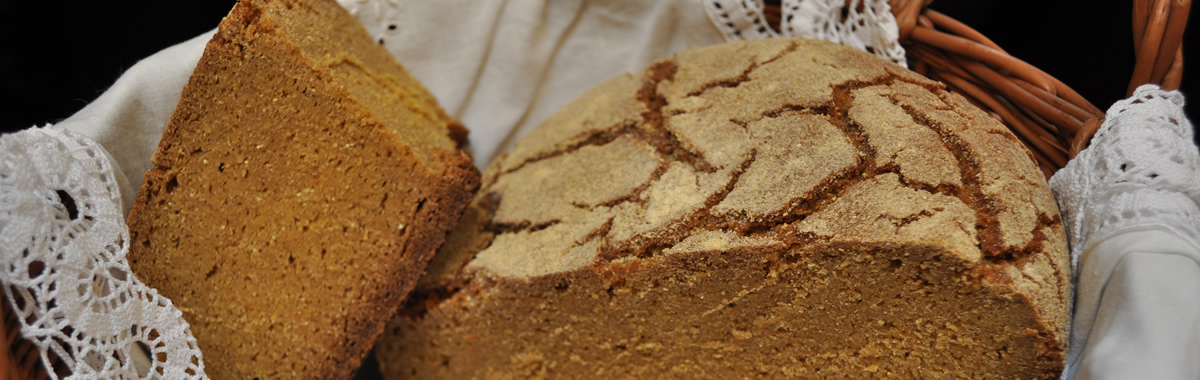
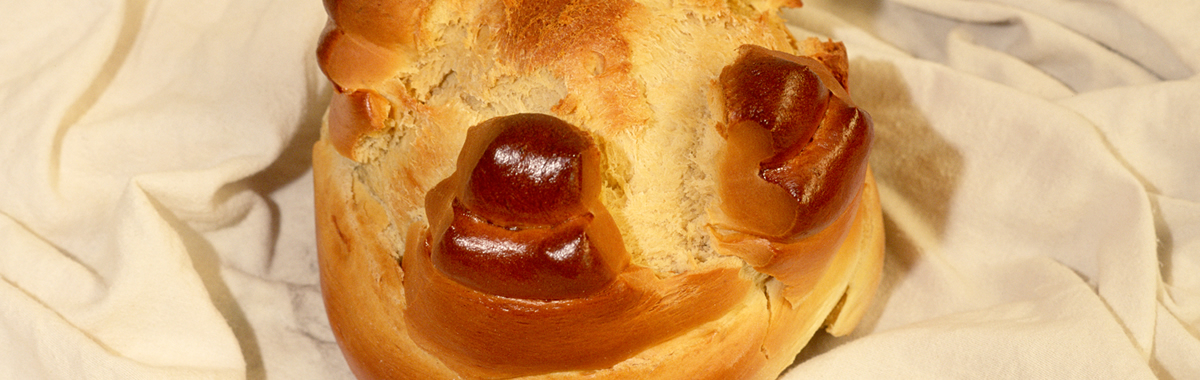
Description: Bread made with rye flour, water, yeast and salt. The yeast is handmade and is obtained by leaving the bread dough from one day to the next, in a basin covered with a cloth and in a cool and airy place. Its shape is round or oval and its weight is 3 kg.
Region: North.
Special feature: Dark rye bread.
History: Father Lourenço Fontes, referring to Barroso's communitarianism, writes: «Normally there are two meals: dinner and supper. But lunch and snacks are always made. Also some, before lunch, have mata-bicho — a sip of brandy with rye bread, when they get out of bed.» In the past, all bread was baked in the community oven, as Mrs. Ana Gonçalves da Fonte, 73 years old (and 60 as a baker), born in Montalegre, tells us. This lady learned to bake bread from her grandmother and mother, who are now deceased, and who used the «people's oven». Some time before the birth of Mrs. Dª Ana and on the same street where the community oven still exists today, her mother built a granite oven lined with brick because «it takes less time to heat and bake». This oven is still used by Mrs. Ana da Fonte, a baker well known for the quality of her rye bread baked in the traditional oven, which works only with small wood.
Use: Consumed at every meal and at any time of the day.
Know-how: In a bowl, pour the rye flour and, in a central well, the yeast, salt and warm water. It kneads very well. The dough is then placed in a basket, covered with cloths and in a place with a stable temperature to rise. After the dough has risen, the loaves are made in the shape of balls and left to rest for 30 minutes depending on the ambient temperature and until they have cracks. Bake for approximately 1 hour and 15 min. The people's oven is still used by private individuals and their batches are for their own consumption.
Source: Produtos Tradicionais Portugueses, Lisboa, DGDR, 2001
