


 Português
  English (UK)
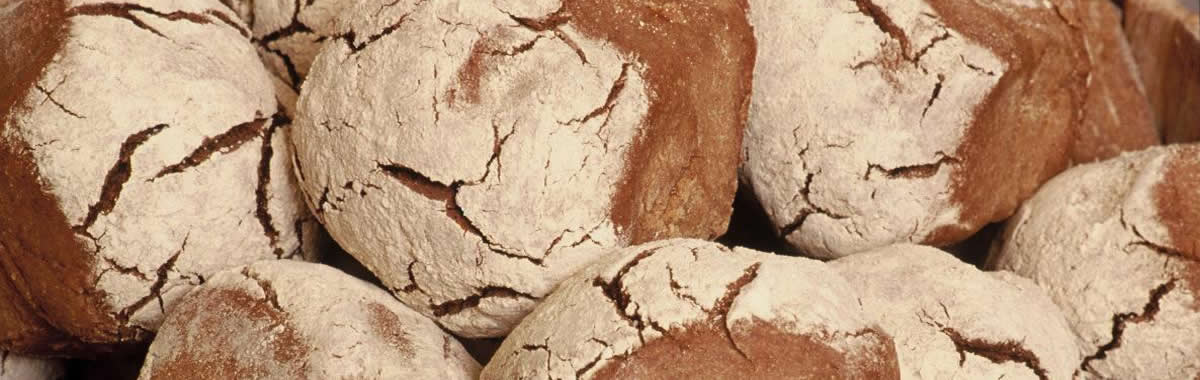
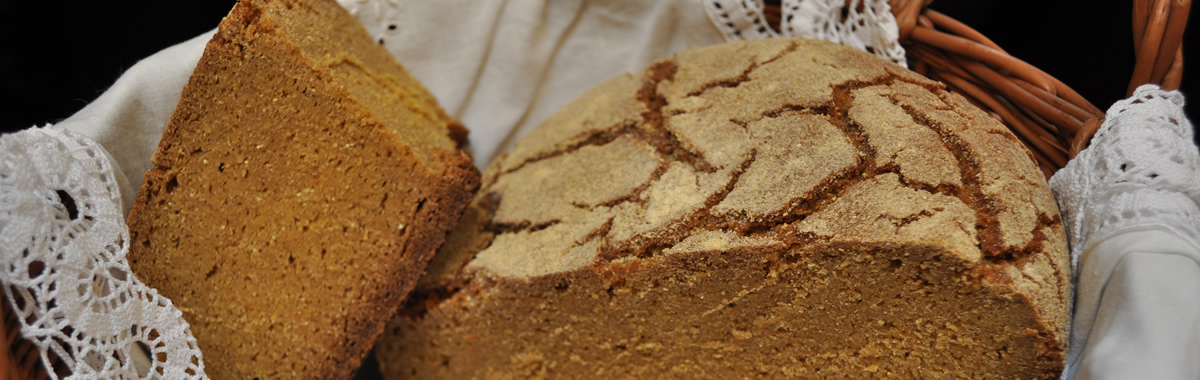
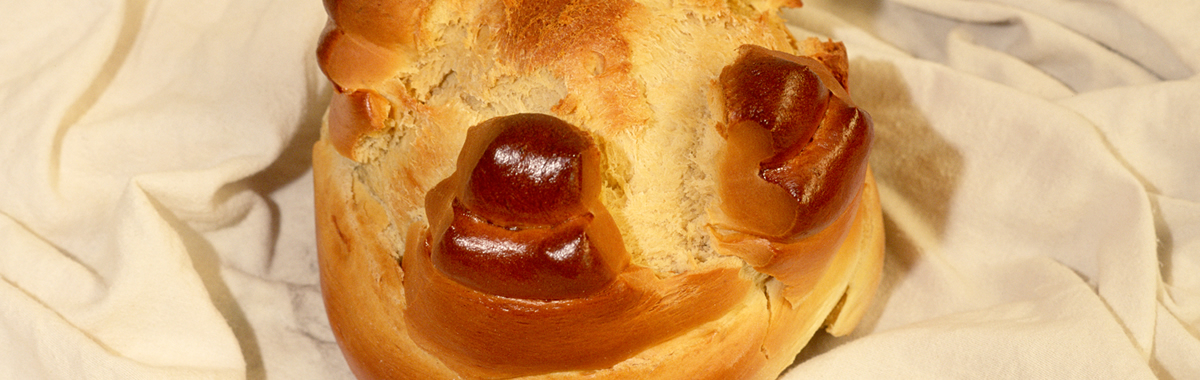
Description: It comes in two sizes, depending on whether the dough is shaped in a bowl or a scuttle. The large size (molded into a bowl) weighs from 8 to 9 kg, has a diameter of 30 cm and a height of 15 cm. The small size (molded in a shield) weighs 1 kg and has a di-ameter of 10 cm and a height of 15 cm.
Region: North.
Special feature: Bread made from a mixture of white corn flour and rye, dark in colour, slightly moist, almost crustless and with a specific taste. It is shaped like a convex cylinder at the top.
History: The manufacture of corn bread in Avintes is due to King D. Dinis (1261-1325) when the monarch forbade the baking of bread in Porto «... the wheat bakers to Valongo and the corn bakers to Avintes». However, the manufacture of the current Broa de Avintes is only mentioned for the first time in a Charter dated September 16, 1563: «... they were obliged to give the necessary baked bread to the people; and the price and weight of the laying they made for this, especially of corn bread and rye...». Also in a letter dated December 12, 1811 it is stated: «... because the bakers of the city of Avintes and other districts... selling bread of this quality without a determined weight and for an arbitrary price...". It is a «... holy and blessed bread, symbol of peace, pioneer of joy, apostle of love, creator and promoter of civilizations". Before the oven door is barred, the baker holds the shovel and with it traces, in a large gesture, the Sign of the Cross and pronounces, within the traditional rites, these liturgical words: "May God add you to the oven and to the oven as well as throughout the world!". In a much more recent publication we can read: «The parish (of Avintes) is known for its customs and traditions, of which the famous corn bread made of corn flour with a little rye to sweeten it and make it darker».
Usage: This bread is consumed to accompany food or as small meals with wine and sausage, sausage, caldo verde and sardines. The parish of Avintes has organized annually, since 1989, the Festa da Broa.
Know-how: Put the flours in the dough mixer and add the water, salt and yeast. Knead very well and with the help of the scraper join the dough making a cross in order to partially divide it into four. Smother the dough with blankets and leave to rise. When it is sour, it is shaped into bowls or scutes. They go to the wood oven, very close together, which will result in little or no crust.
Source: Produtos Tradicionais Portugueses, Lisboa, DGDR, 2001
