





















 Português
  English (UK)
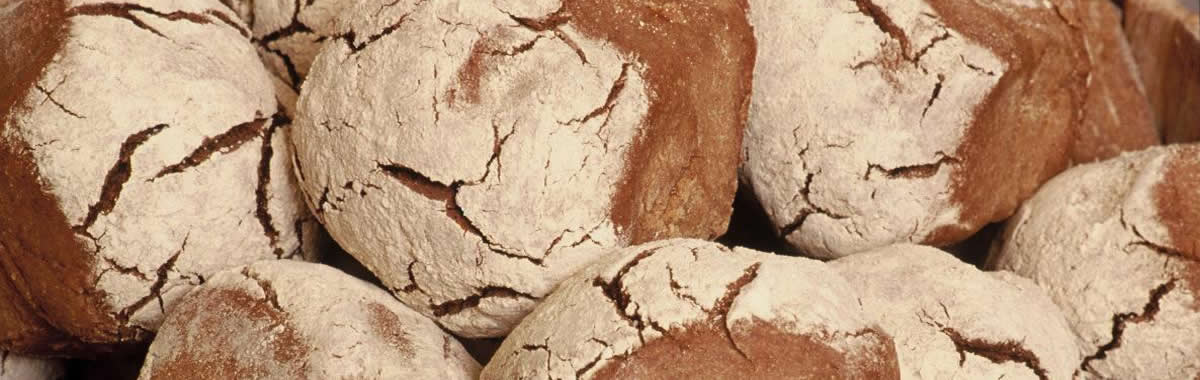
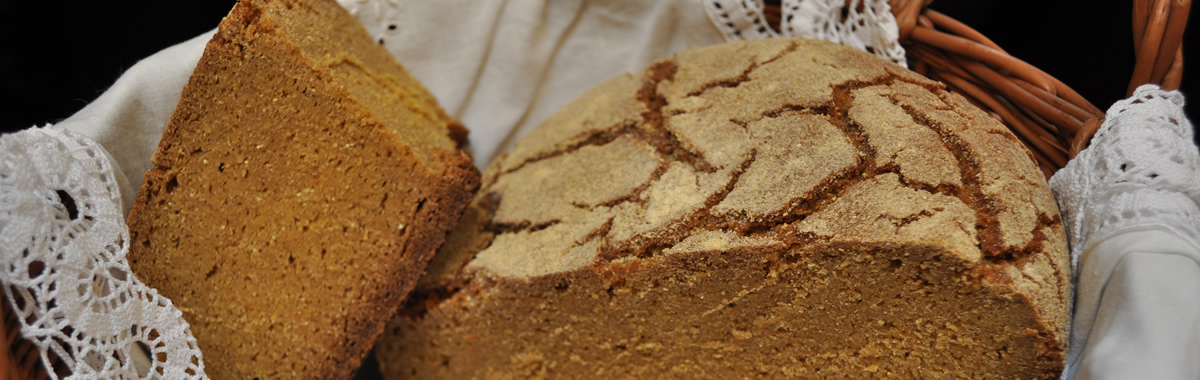
Description: Sweet bread, with a soft texture and lemon and cinnamon flavor. It has a crust characteristic of cooking in a wood oven.
Special features: Bread made in a wood oven and kneaded 24 hours before baking.
Species, varieties or breeds: Variety of sweet bread, made with wheat flour, sugar and eggs.
Connection to the natural landscape: Product made with products from local agriculture.
Ingredients used: Wheat flour, baking powder, olive oil, salt and water.
Preparation: Preparation of the crescent - Place some flour, baking powder, butter and salt in a bowl. Knead with a little warm water. Let it rise. Preparation of the dough – Add flour, eggs, sugar, lemon zest and cinnamon to the previous preparation. Knead everything very well and let it rise again. The next day, you tend to round-shaped cakes and let them rest. Then take them to the oven to bake.
Know-how: This preparation only takes water when the crescent is made, so you should take plenty of eggs to be able to knead. The egg whites should be used only half the amount of eggs. When you put it in the oven, turn the cake upside down, so that it cracks.
There are areas of the municipality that make this bread, without the crescent.
Forms of commercialization: In artisanal bakeries.
Product availability: Throughout the year.
Product history: It is a homemade bread, which was made on festive occasions.
Representativeness in local food: It was not very representative, as it is a product that was expensive, so it was only made in special situations of parties or family celebrations.
Nowadays, it is already being marketed, and has been making itself known, through our Confraternity, in cultural events, being highly appreciated.
Product availability: Continuous supply.
Other names: 24-hour bread.
Geographical area of production: Municipality of Vagos.
