




 Português
  English (UK)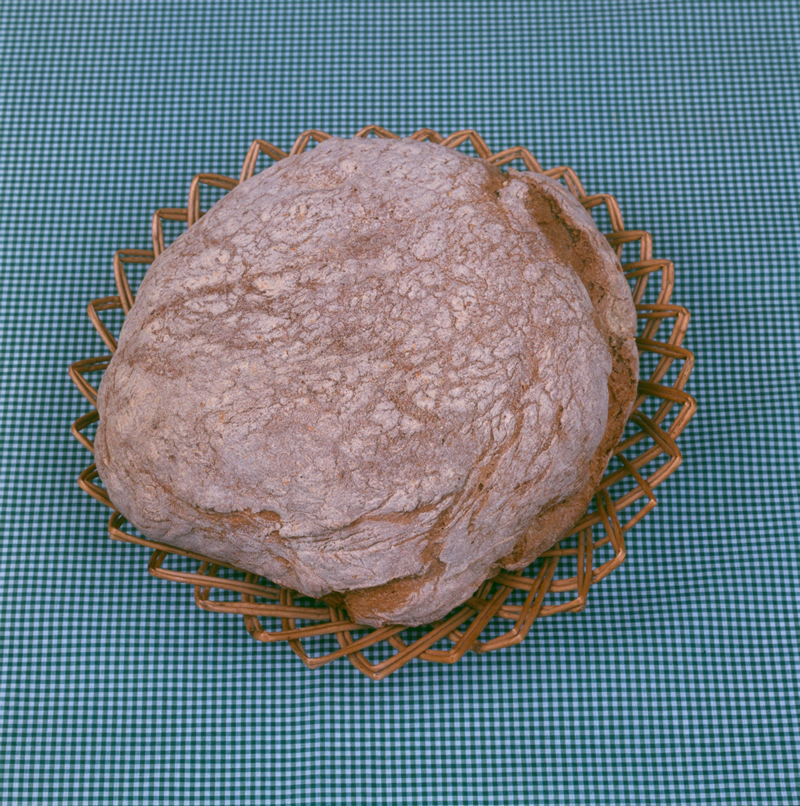
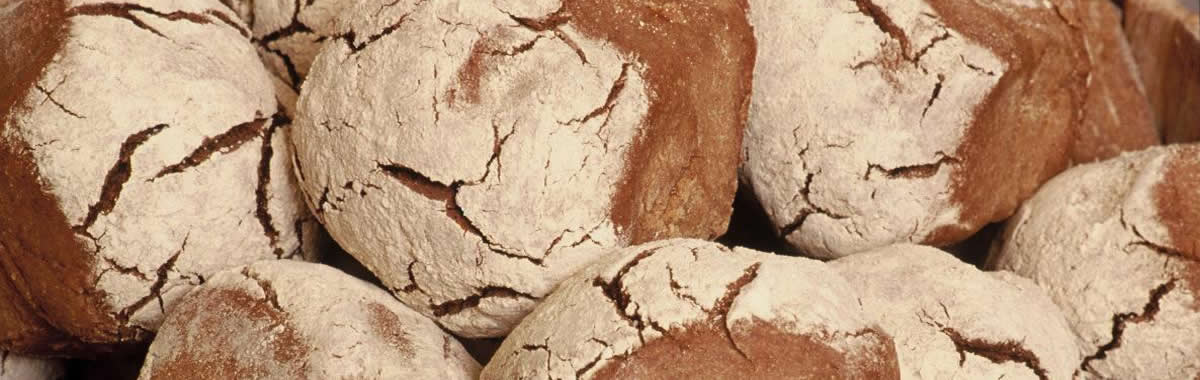
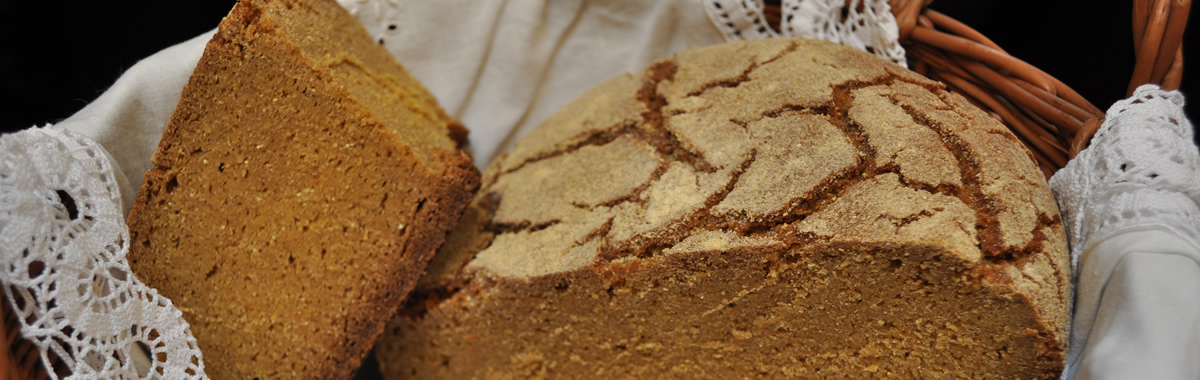
Description: Bread made from wheat and rye flour, with salt and baker's yeast. Its interior appearance is porous and coarse. It is about 40 to 50 cm in diameter and weighs between 1000 and 1500 g.
Region: Center.
Special feature: Bread with a circular and convex shape, with a relatively crispy crust and floured exterior. It has a dark pearl-white color.
History: Traditional bread from the region of Sabugueiro, the village that is located at the highest altitude in Portugal. When dealing with the people of Beira, Joaquim Manuel Correia makes special reference to the custom of baking bread and «untaming the oven», saying that «the food of the inhabitants of Beira is sober (...). Rye bread (...), pork (...)". Bread was also for a long time the object of "alms" for the order of souls, a common ritual in funeral ceremonies "(...) a neigh-bour, when the deceased leaves goods, distributes to each person present, pieces of rye bread, which the poor and even the rich accept".
Use: As a food, especially of a regional nature, as it must be consumed before 48 hours after its manufacture.
Know-how: The tradition of making flour has been maintained over the years, but variations in the percentages of wheat and rye flour are allowed, although the latter must be higher than 60%. Mix the ingredients (flour, salt and yeast) and knead by hand with water. Then leave to rise in a warm place. Balls that are floured very well with corn flour and baked in a wood oven. The temperature of the oven has an influence on the final appearance of the product.
Source: Produtos Tradicionais Portugueses, Lisboa, DGDR, 2001
