







 Português
  English (UK)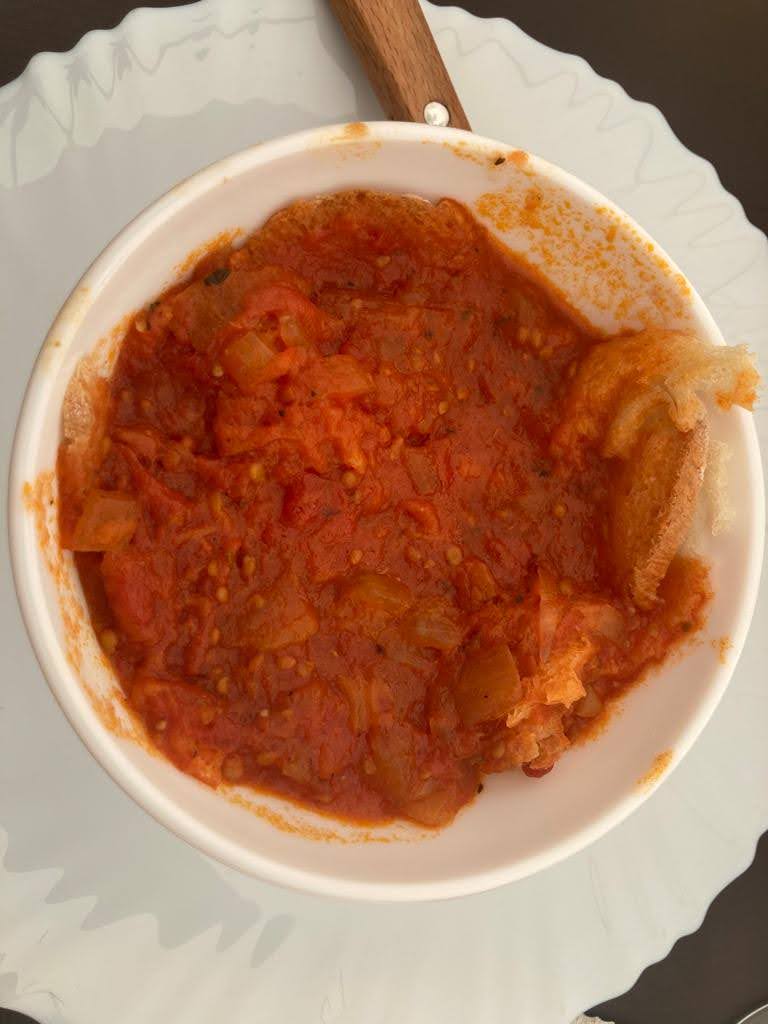
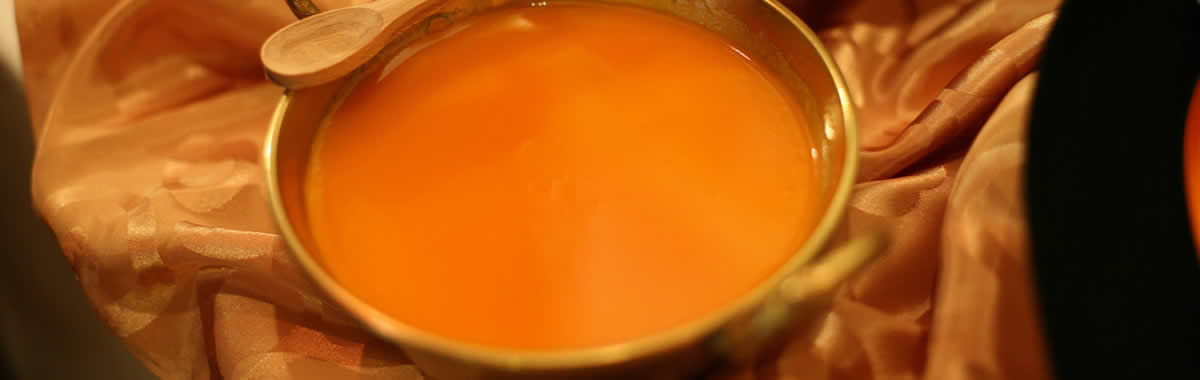
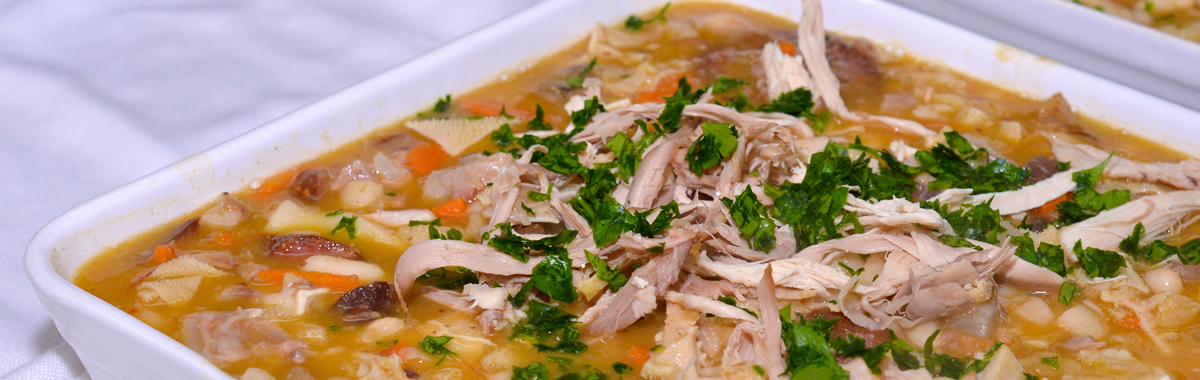
Description: It is a hot soup with a reddish color.
Particular features: Tomato Soups have been a means of livelihood in difficult times. They began as the lunch of choice for the harvesters who transported them in lunch boxes to the fields and who ate them, again, for supper.
Region: Trás-os-Montes and Alto Douro. Specifically from the municipality of Freixo de Espada à Cinta.
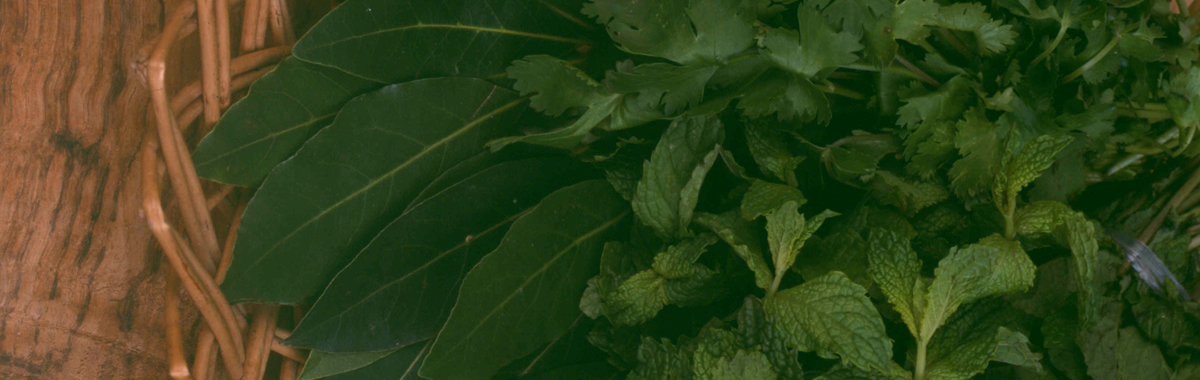
Ingredients used: 500 g of bread cut into thin slices (wheat bread with 2 or 3 days), a medium chopped onion, a clove of garlic, a bay leaf, four medium very ripe tomatoes, six tablespoons of olive oil, a tablespoon of lard, a small chilli (optional), salt to taste and a sprig of mint.
Preparation: Artisanal preparation method, according to the traditional recipe.
Know-how: Bring a pan to the heat with olive oil, garlic, onion, bay leaf, lard and paprika. After ten minutes on the heat, add the peeled tomatoes and cut into small cubes. It is allowed to be cleared for five minutes. Add water to taste, salt to taste and chilli. Let it boil for 5 minutes. With the heat turned off, add the bread and a sprig of mint and let it rest for about fifteen minutes. The soups are ready to serve.
Forms of Commercialization: Local catering.
Product availability throughout the year: Availability throughout the year, but it usually has its greatest demand at the Soups and Picnics Festival, promoted by the municipality of Freixo de Espada à Cinta.
Product History: Tomato Soups are easy to prepare, substantial, with ingredients extracted directly from the fields. Tomato Soups have been a livelihood in difficult times. They began as the lunch of choice for the harvesters who transported them in lunch boxes to the fields and who ate them, again, for supper. Currently the tomato soups of Freixo de Espada à Cinta are a reference in Freixenista gastronomy.
On page 66, of the book "Memories of Trás-os-Montes Cuisine", by Adozinda Marcelino and Acúrcio Martins, they describe the recipe for tomato soups:
"In water seasoned with salt, olive oil and two tablespoons of drip-ping, cook some peeled potatoes and onion cut into pieces, add tomatoes cut to taste and a bunch of chopped parsley, cook and crush the potatoes, check seasonings and serve."
Also in the book "Recipes and Flavors of Rural Territories", on page 72, he refers to tomato soups:
"Bring a pan to the heat with olive oil, garlic, onion, bay leaf, lard and paprika. After ten minutes on the heat, add the peeled tomatoes and cut into small cubes. It is allowed to be cleared for five minutes. Add water to taste, salt to taste and chilli. Let it boil for 5 minutes. With the heat turned off, add the bread and a sprig of mint and let it rest for about fifteen minutes. The soups are ready to serve."
In the book "The Soups", he also makes reference to a very similar recipe for tomato soups with the name of Tomato Porridge:
"Lightly toast the slices of bread in the oven. Sauté the chopped parsley and garlic in olive oil; Add the tomato pulp, season with salt and pepper, and bake for about ten minutes. Place the bread slices in the pan, cover them with hot water and serve."
The book "A Cozinha Ideal", by Manuel Ferreira, also makes similar references to tomato soup:
"Chopped onion is sautéed in olive oil, fresh chopped tomatoes are added to it, without skin or seeds, or failing that, tomato sauce or syrup, mixing a bay leaf and a bunch of parsley. Add some water (never in an amount more than twice as much as tomato) and season with salt and pepper. Let it boil and, ten minutes later, break an egg for each person, crushing it or not, according to taste. Pour into the terrine on slices of bread and serve."
Representativeness in local food: Being a traditional and strongly agricultural municipality, soups were part of the population's diet.
Throughout the year, several events are held to boost the local economy and make those who visit Freixo de Espada à Cinta aware of the best it has to offer, such as the Soups and Snacks Festival, an event sponsored by the municipality; the Raia Gastronomic Days and, in events of the Tourism of Porto and North of Portugal.
With the evolution of time, Freixenist gastronomy has been reinvented, modernizing and recreating old recipes passed down from generation to generation.
Other documentary elements (written, photographic, video-graphic, etc.): MARCELINO, ADOZINHA and MARTINS, ACÚRCIO (2015). Page 66. Memórias da Cozinha Transmontana. Lisboa: Âncora Editora.
Associação para o Estudo e promoção das Artes Culinárias As Idades dos Sabores. (2013). Receitas e Sabores dos Territórios Rurais. Lisboa: MINHA TERRA – Federação Portuguesa de Associações de Desenvolvimento Local.
LEAL, MARIA FILOMENA (s.d). Page 31. The soups.
FERREIRA, MANUEL (1988). Page 206. The ideal kitchen.
Source of registration: Douro Superior – Development Association.
