










 Português
  English (UK)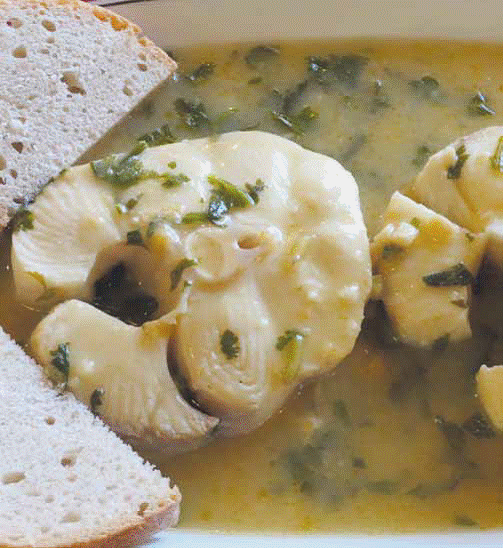
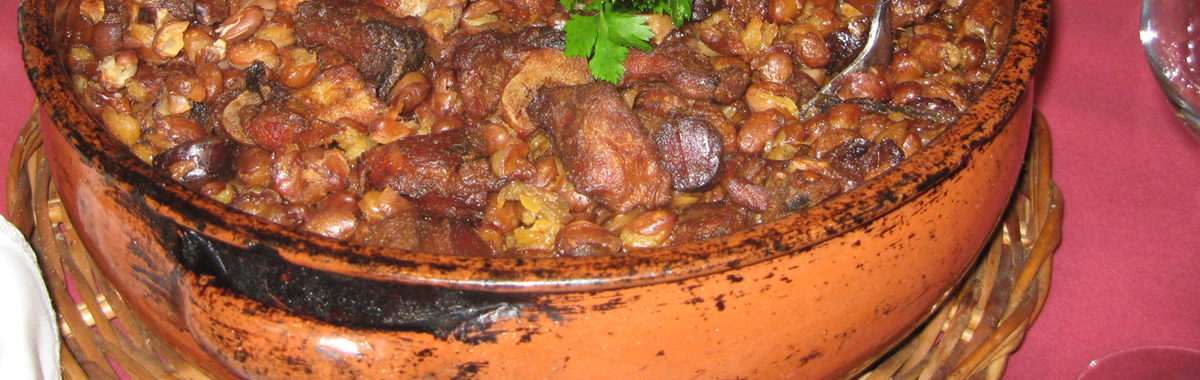
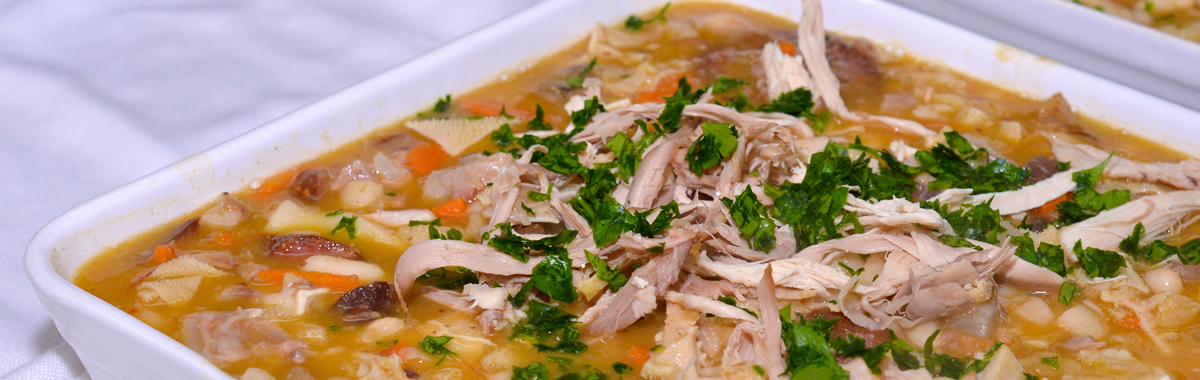
Description: Characteristic dish of the Alentejo consisting of dogfish, bread and aromatic herbs, such as coriander or pennyroyal.
Special characteristics: The dogfish remains in a vinegar marinade for about 2 hours, to soften the bones and preserve the main qualities of the dogfish.
Region: Alentejo.
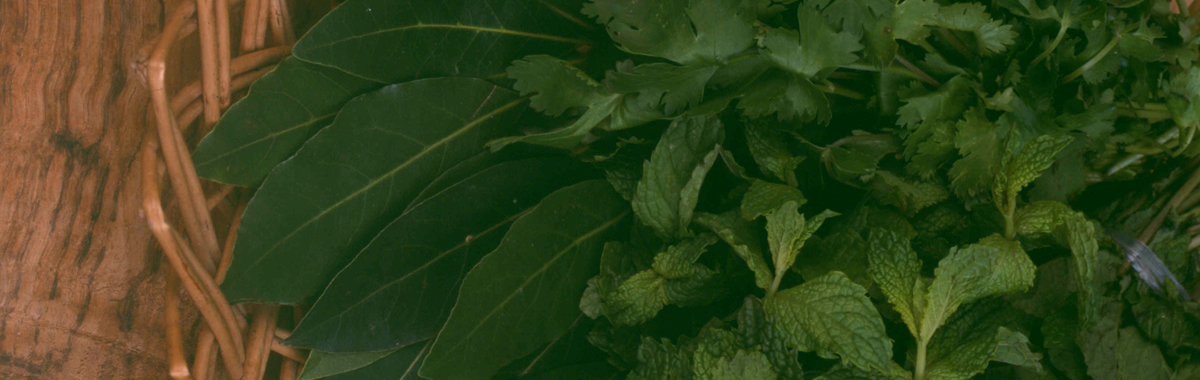
Ingredients used: Dogfish, olive oil, garlic, coriander, paprika, bay leaf, flour, vinegar, salt and bread.
Preparation: Soak the fish in water, vinegar, salt and bay leaf for 2 hours. Sauté in olive oil, coriander and chopped garlic. Then the necessary water is gradually added. Season with salt and introduce the dogfish. Let it cook. Vinegar is then added to the soup where the flour has been dissolved. You can also add paprika. Let it boil until the flour does not taste raw. The bread is cut into thin slices, which are placed well layered in a terrine. Drizzle with the broth and place the fish on top.
Know-how: You can serve the dogfish with fried bread around. In addition to coriander, another aromatic herb, pennyroyal, can also be used.
Forms of commercialization: Restaurants.
Product availability throughout the year: All year round.
Product history: From the primitive Arab açorda, several dishes of Alentejo gastronomy have diverged at different times and contexts. On the sea coasts of the Gharb al-Andalus, since the Islamic period, there has been the presence of a kind of moray stew (al-muwâraj), which would then be more properly a "moray eel açorda". It is likely that from this time may also come the socalled "dogfish soup", also an açorda, as it has bread soups in its composition. The small shark would already wash up on Portuguese shores then (Rei, 2016).
However, the available information on the introduction of dogfish in Alentejo food is scattered and of a generic nature. This seems to be due to the exclusive use of this fish in the dietof the less affluent classes. Its low priceand the need to know how to prepare it to eliminate the typical smell and tasteit acquires, if subject to deficient accommodationand conservation, must have been sufficient factors to distance it from the wealthier classes that consumed fish with greater prestige and quality. (...) The Alentejo was able to unleash the full potential of this fish and through an imaginative cuisine to which aromatic herbs were added, to avoid the drawbacks of a fish in which the conditions of preservation were not favorable to it, it created and fixed, during the twentieth century, a series of recipes in which the dogfish is the undisputed king.
Representativeness in local food: Dish present in any home in the region.
Source: DGADR, based on the book Receitas e Sabores dos Territórios Rurais, MINHA TERRA, 2013, Carta Gastronómica do Alentejo - Monumenta Transtaganae Gastronómica (Confraria Gastronómica do Alentejo, 2013) e Rei, António (2016), A Açorda. Uma sopa de pão, da Alta Idade Média à atualidade, IEM /FCSH – Universidade Nova de Lisboa.
Photo: Provided by MINHA TERRA – Federação Portuguesa de Associações de Desenvolvimento Local.
