



 Português
  English (UK)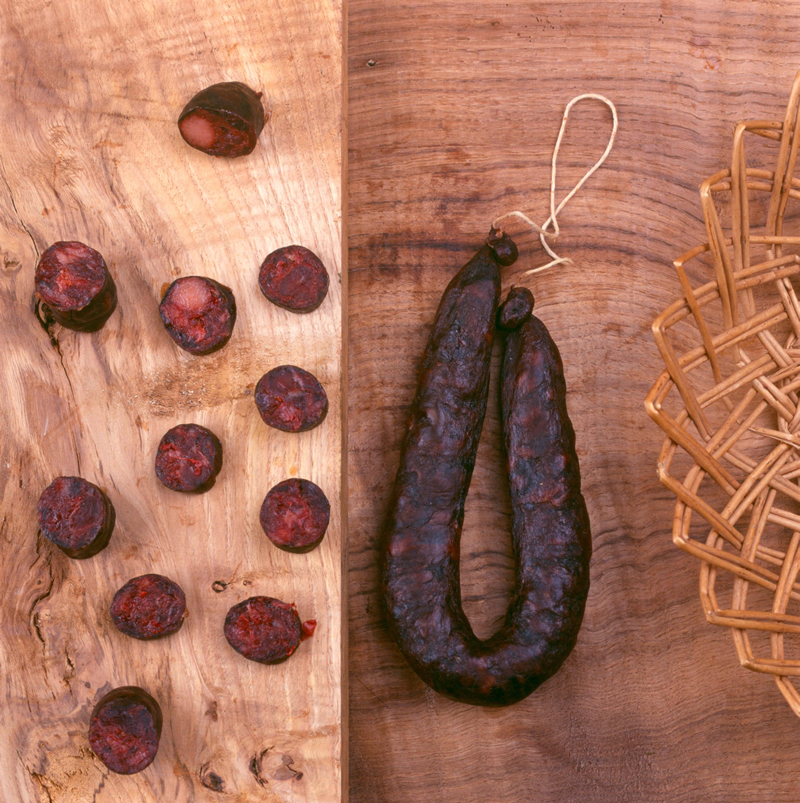
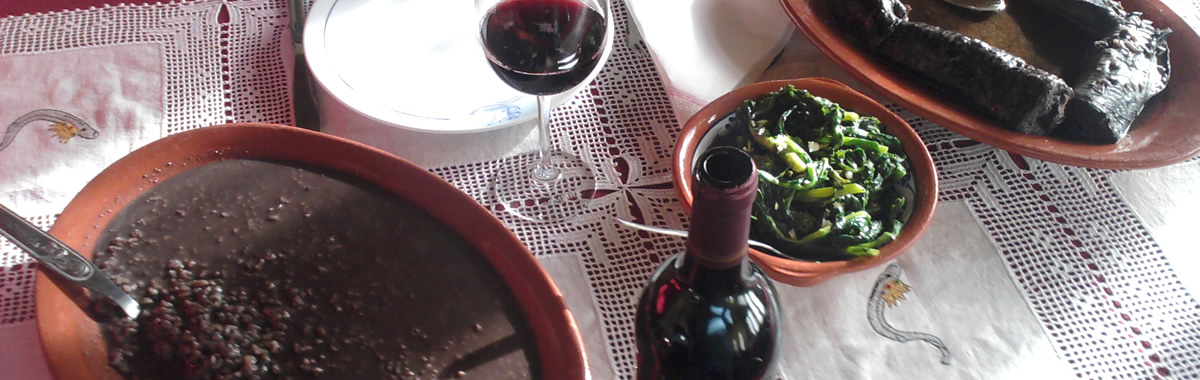
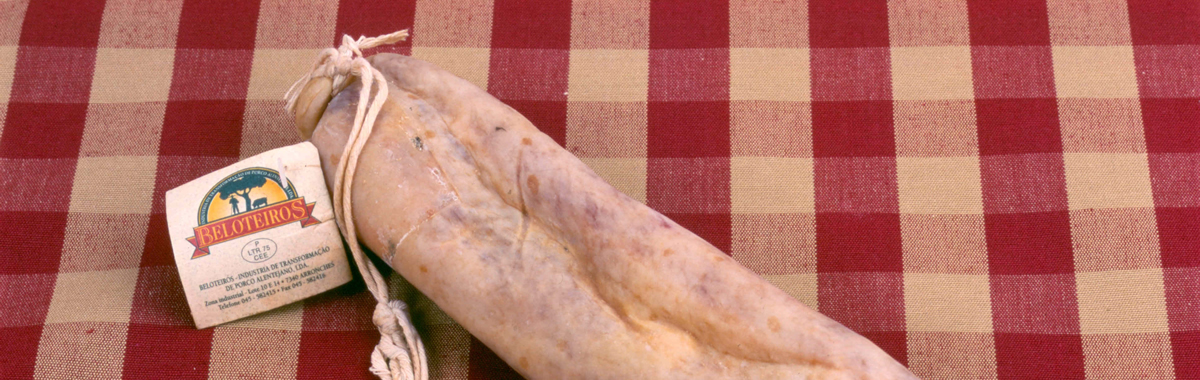
Description: Filled with about 30 to 35 cm in length and 3 cm in diameter. It is prepared with meat trimmings, blood and condiments (salt, paprika, garlic and cumin). The meat comes from the Alentejo breed pig, obligatorily castrated while still in piglet, slaughtered between 12 and 16 months and with a carcass weight of about 120 kg. The food is based on acorns (montanheira feeding).
Region: Alentejo.
Other denominations: Meat Chorizo with Blood.
Particularity: It has a dark color, cylindrical shape and is manually tied at both ends. It is a sausage whose curing process does not include smoking.
History: The sausage shop in Barrancos dates from the foundation of the village, around 1750. initially it was made in the village of Noudar (Arabic name), located in one of the easternmost points of the Portuguese territory and where there was a military fortress (whose ruins are still visited today). At the same time as Noudar declined, Barrancos grew due to a better geographical situation, which allowed for greater commercial exchange with Spain. The agricultural and livestock wealth of the region, especially with regard to the cork oak forest and the Alentejo pig, allowed the existence of a certain individualization of the ancestral habits of preparing sausages. Barrancos is also characterized by the existence of a very particular vocabulary, the «barranquenho».
Use: As a snack, baked, fried or cooked food. As an element of preparation of traditional dishes of the region.
Know-how: It is made with meat trimmings, leftover meat from the preparation of other sausages (small partially bloody pieces from cleaning the carcasses), fatty meat and some fats, chopped with knives that allow the traditional cut. The meats are then seasoned with the following products: salt, garlic, paprika from the garden, pepper and cumin. Everything is fermented for 24 hours in vats. Before the filling operation, the liquid blood is mixed. The tripe is pork and fresh and was previously washed, turned and seasoned with orange slices. After filling, the black pudding is hung and displayed in rooms suitable for this purpose, where they are subjected to a natural curing process in which there is no smoke. The micro-climate conditions existing in this region have always allowed this type of cur-ing. The production season is that of montanheira feeding.
Source Produtos Tradicionais Portugueses, Lisboa, DGDR, 2001
