





 Português
  English (UK)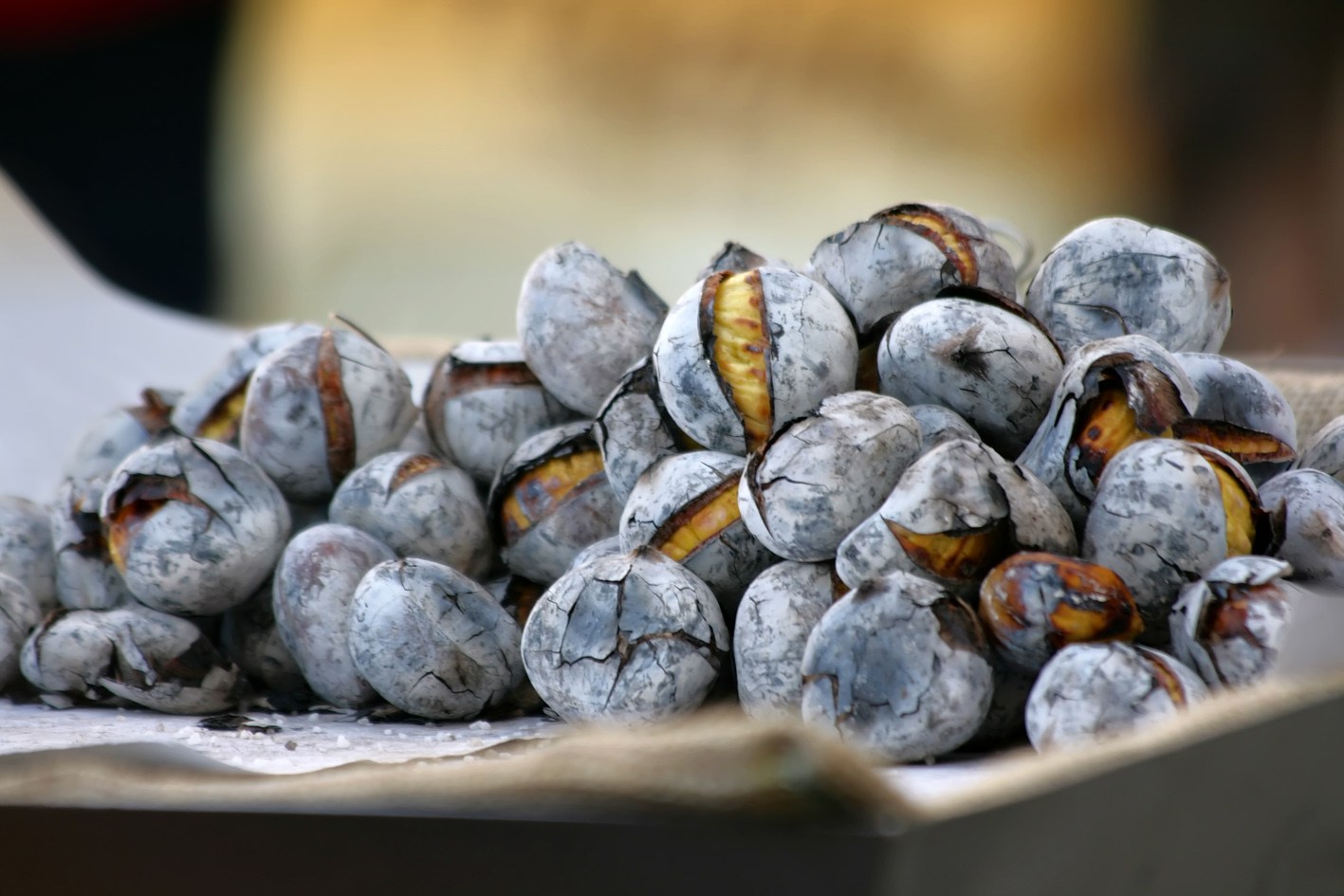
Description: Chestnuts, roasted over charcoal, with crispy skin and tender pulp.
Delimitation of the geographical area of production: The whole country.
Preparation: Before placing the chestnuts in the roaster, you give them a blow to the shell to prevent them from popping while roasting. After baking, salt is added and muffled with a flannel cloth so that they are softer and tastier. At the end, peel and eat accompanied by jeropiga, agua-pé or new wine.
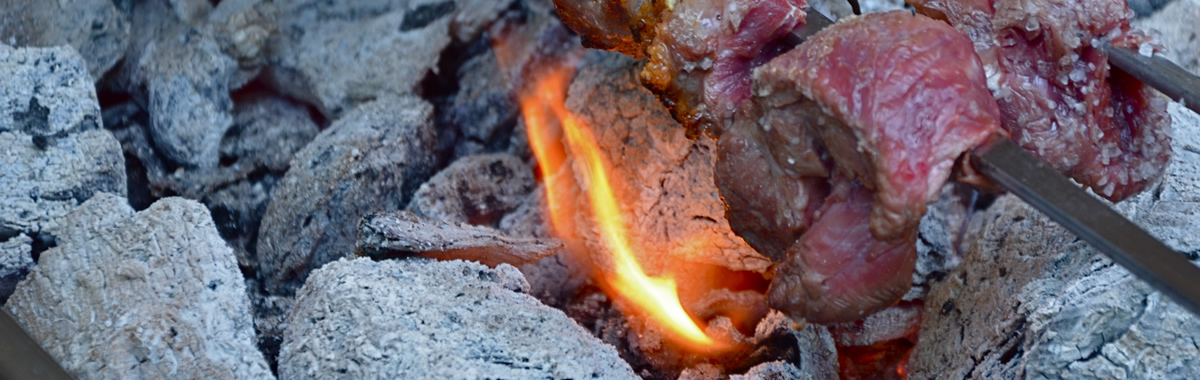
Know-how: You should have good quality chestnuts that are struck to prevent them from bursting. The heat has to be strong and with good embers, so that the flavor is better, releasing the roasters a white smoke that is confused with fog.
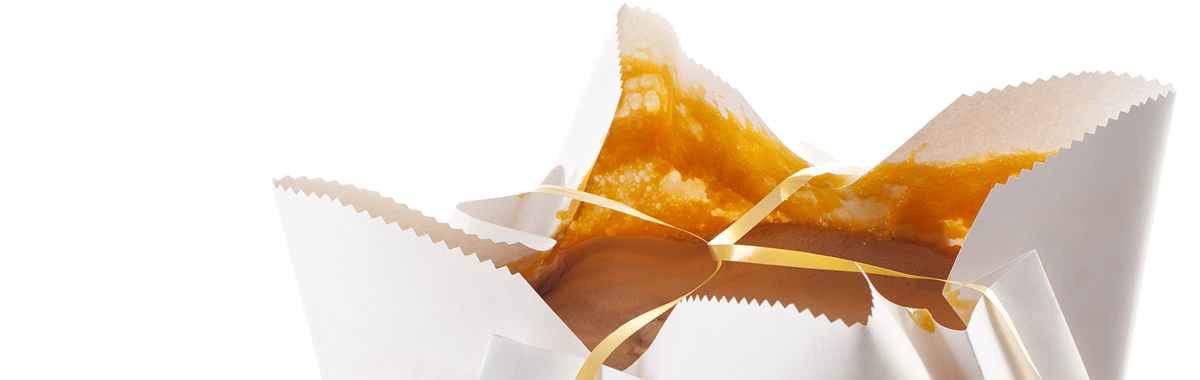
Forms of marketing: Chestnuts are sold by the dozen and served in paper cones, formerly newspaper or telephone directories.
Product availability throughout the year: During autumn.
Product history: More than a thousand years ago, shepherds and woodcutters took advantage of the fires to keep warm and at the same time roasted chestnuts that served as food. In the northern part of Portugal, between Santos (November 1st) and São Martinho, lively magustos are organized. St. Martin's Day is the day par excellence for traditional magustos, which are usually washed down with jeropiga, new wine or agua-pé.
During autumn it is traditional to see the traditional chestnut sellers, who with a mobile iron machine, with a hole in iron or clay, roast the chestnuts with a unique art and sell them to passers-by in paper cartridges, spreading an irresistible and unmistakable aroma.
Source: The chestnut – Knowledge and flavors, Jorge Lage, 2002; Valpaços City Council.
Image source: Vortex Magazine
