











 Português
  English (UK)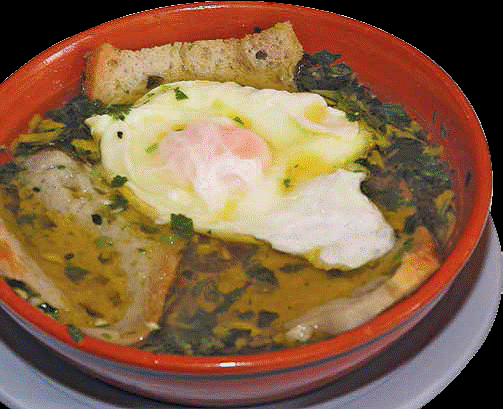
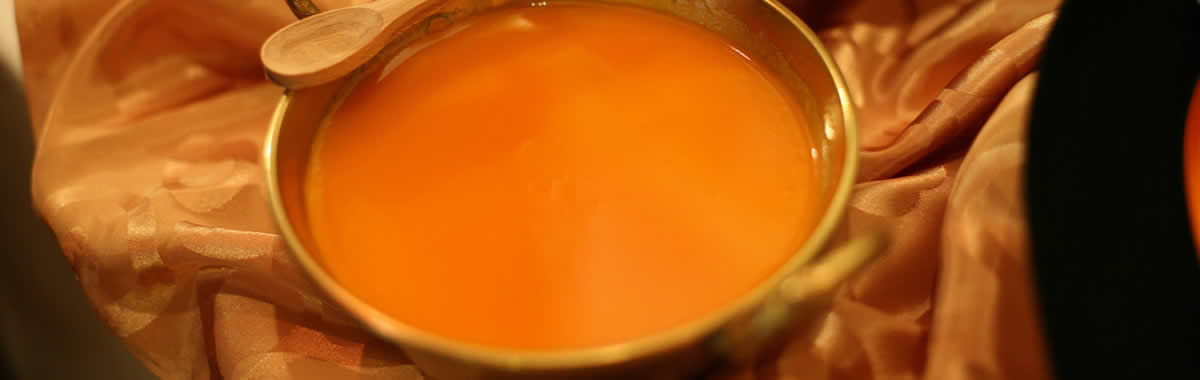
Description: Characteristic dish of the Alentejo consisting of garlic, salt, olive oil, water, sliced bread and aromatic herbs, such as coriander or pennyroyal.
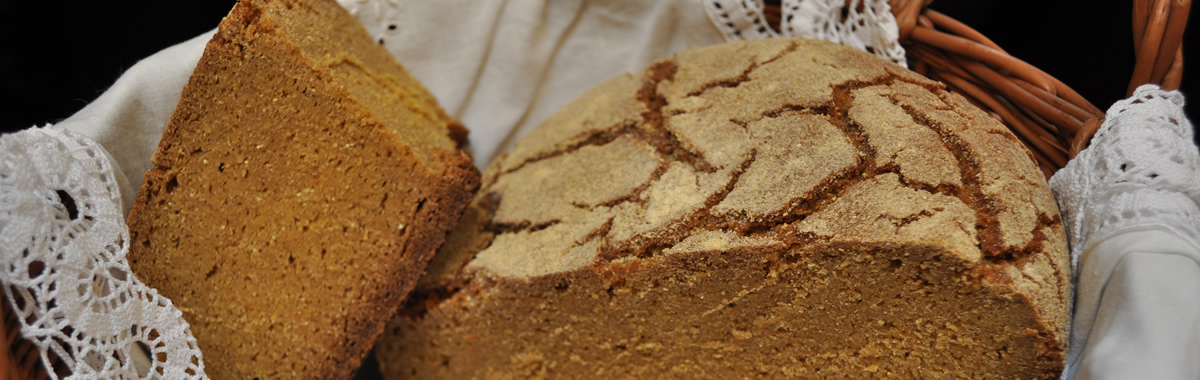
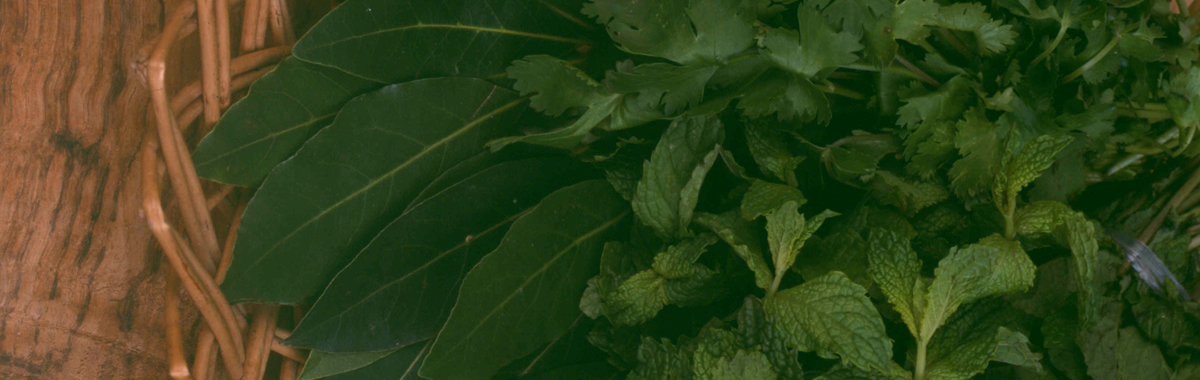
Special features: Açorda is a soup that is just poached. It is always a warm and transparent broth, flavored with coriander or pennyroyal, or both, crushed garlic with coarse salt and seasoned with olive oil. Slices or pieces of wheat bread give it consistency, preferably homemade and hard.
Region: Alentejo.
Ingredients used: Alentejo bread (hard), coriander or pennyroyal, garlic, eggs, salt, olive oil and water.
Preparation: Crush the garlic with the coriander or pennyroyal and the coarse salt in a mortar. Put the wateron the heat, with a little salt, until it boils. When the air starts to boil, pour the eggs very carefully, so as not tofall apart, and leave them to poach for 3 to 5 minutes. Pour the coriander or crushed pennyroyal and garlic into a tureen or deep bowl. Add the olive oil, and then mix the water where the eggs were poached, still boiling, or very hot. Drizzle the slices of Alentejo bread, serve the poached eggs and, after 3 to 5 minutes, it is ready to eat.
Know-how: The açorda recipe can vary depending on the Alentejo area and can be served with fresh fish (boiled or fried), cod or egg (poached or boiled).
Forms of commercialization: Restaurants.
Product availability throughout the year: All year round.
Product history: The etymology of the term "açorda" dates back to the Arabic language. The classic form found in Arabic literature is tharîd or tharîda, meaning "breadcrumbs and stew". The Portuguese term "açorda" comes, however, from the dialectal form of Andalusian Arabic, spoken in the Iberian Peninsula, thurda / çurda or thorda / corda. With the arrival of Muslims to the Iberian Peninsula at the beginning of the eighth century, açorda also arrived, both among their cultural and gastronomic habits of the Arabs, and even as a custom disseminated in the emulation of the Prophet Mohammed, in the reproduction of his sympathy for the dish in question (Rei, 2016).
Açorda is still the reference dish of the Alentejo today. It saves resources by taking advantage of stale bread, cut into slices or cubes with a knife, or broken by hand, depending on taste.
Representativeness in local food: Dish present in any home in the region.
Source: DGADR, based on the book Receitas e sabores dos territórios rurais (MINHA TERRA – Federação Portuguesa de Associações de Desenvolvimento Local, 2013), Carta Gastronómica do Alentejo - Monumenta Transtaganae Gastronómica (Confraria Gastronómica do Alentejo, 2013) e Rei, António (2016), A Açorda. Uma sopa de pão, da Alta Idade Média à atualidade, IEM /FCSH – Universidade Nova de Lisboa.
Photo: Provided by MINHA TERRA – Federação Portuguesa de Associações de Desenvolvimento Local.
