


 Português
  English (UK)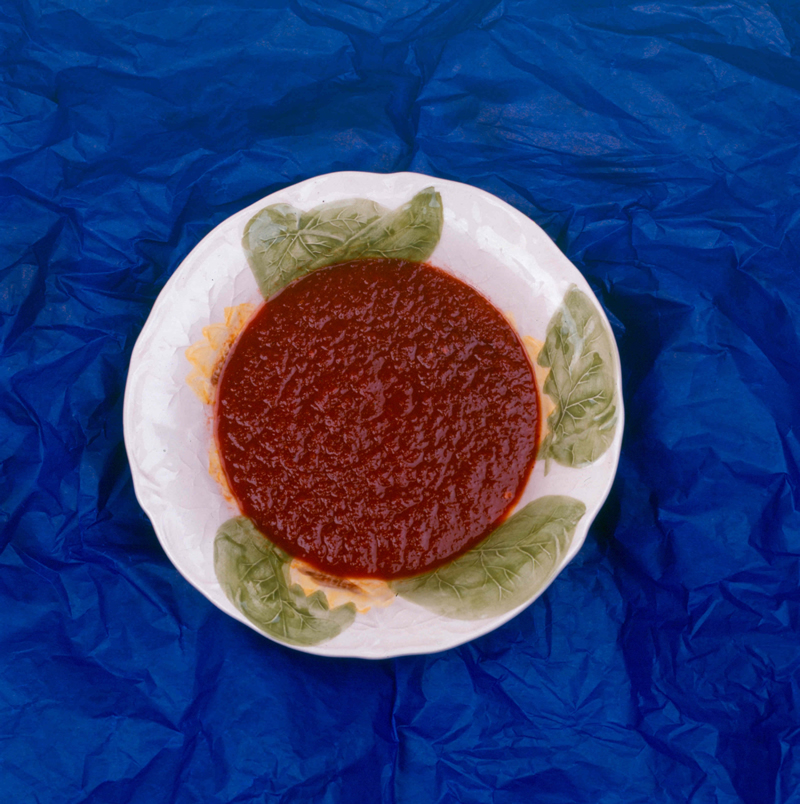
Description: The product is obtained from well-ripe peppers, chosen and well washed, from which the stems and seeds are removed. Peppers of the Bola and Catalão varieties are usually used for their manufacture. This dough differs from industrial red pepper pastes in that the skin is part of the final product and is not fermented. It is presented in the trade in glass jars.
Region: Alentejo.
Other denominations: Catalan Pasta. Pepper Syrup.
Special feature: Red dough, prepared from unfermented paprika.
History: The manufacture of Pepper Paste is secular, as our ancestors already made this seasoning in their homes to add to the meats from the slaughter. It was and is used mainly in the preparation of the rich traditional Alentejo sausage, whose unmistakable taste is due, in part, to the addition of this condiment. In the Alentejo they call the peppers used for the preparation of this dough pimentos da horta or pimentões da horta, to distinguish them from spicy peppers (which are called queima or chili). The data for this product was provided by a producer whose family has been manufacturing this product for three generations.
Use: Its most frequent use is in the preparation of traditional sau-sage, although it is also used as a seasoning, in pork dishes, of re-gional cuisine.
Know-how: When the peppers are very red, they are washed, opened vertically and cleaned of stems and seeds. They are cut into strips and placed in an earthenware container, in brine, alternating layers of pepper with layers of coarse salt. This operation is called tanning. They remain like this for several days, after which they drain, wash and drain again very well. They are then ground and stored in glass jars, with the surface of the paste covered with a layer of olive oil. The processing of the fruits takes place immediately after harvesting, which takes place during the months of September to December of each year.
Source: Produtos Tradicionais Portugueses, Lisboa, DGDR, 2001
