












 Português
  English (UK)
Description: For the trodden and shredded olives, the Maçanilha variety is preferred, but for the shredded and whole olives, another variety can be used, such as the Judiaga, as long as it has black and large fruits. The olives are sweetened (their bitterness is removed) and then seasoned.
Region: Alentejo.
Variants: Crushed olives or crushed olives. Shredded olives or shredded olives. Whole olives or salted olives.
Special feature: Green (crushed) or black (shredded and whole) ol-ives, which are cracked by crushing, with longitudinal strokes all around or whole and sometimes shriveled.
History: The people of Alentejo are a people who are snackers. Away from the entertainment centers, he needs to occupy his leisure time, obviously not having much to choose from. The café, the tavern and the «Sociedade» were the main places of conviviality and entertainment, accompanying the region's snacks with glasses of wine. Olives have always been one of the main conduits of rural populations.
Use: Food with bread, it was sometimes the meal of populations who moved to work in distant fields. It is also widely consumed as a complement and accompaniment to meals.
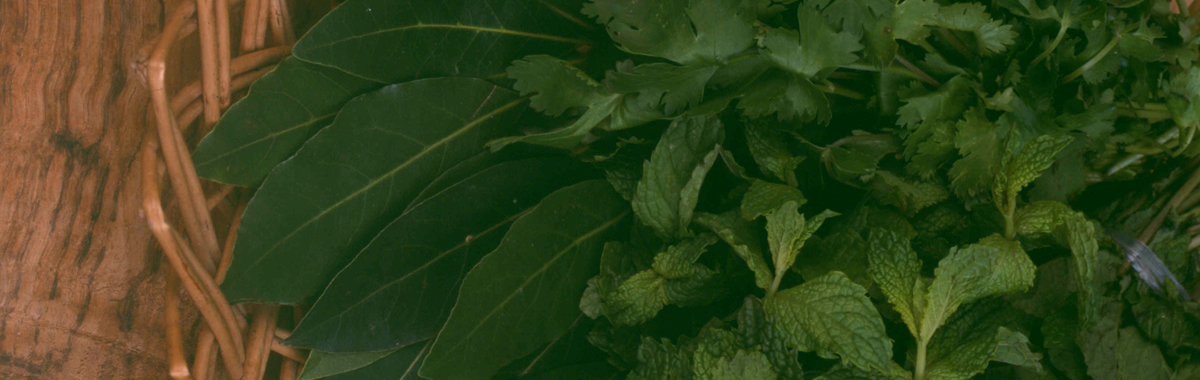
Know-how: Olives should be picked by hand and never retail-picked. Those of the Maçanilha variety should be preferred, well filled and with a different degree of ripeness, depending on the variant for which they are intended. They are soaked in water for about 15 days (whole olives take longer to sweeten than crushed or shredded ones), changing the water every day. The quality of the water has a lot of influence, as a water treated with chemicals can impart its taste to the olives. At the end of the softening period, they are drained and tempered. The seasoning is coarse salt, oregano, bay leaf and garlic for the steps, plus orange slices for the shredded and whole ones. For the latter, sometimes only salt is used as a seasoning.
Source: Produtos Tradicionais Portugueses, Lisboa, DGDR, 2001
