








 Português
  English (UK)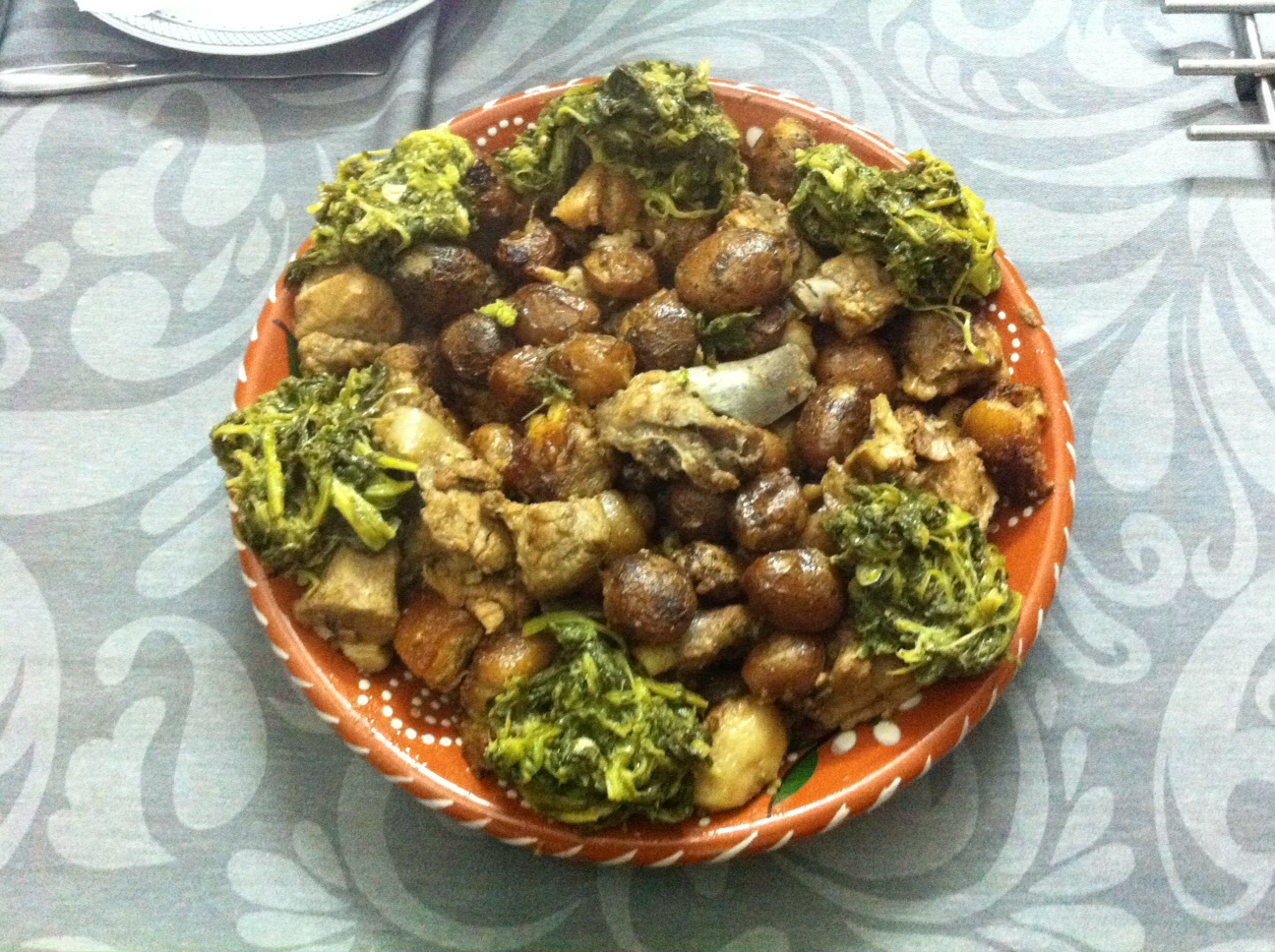
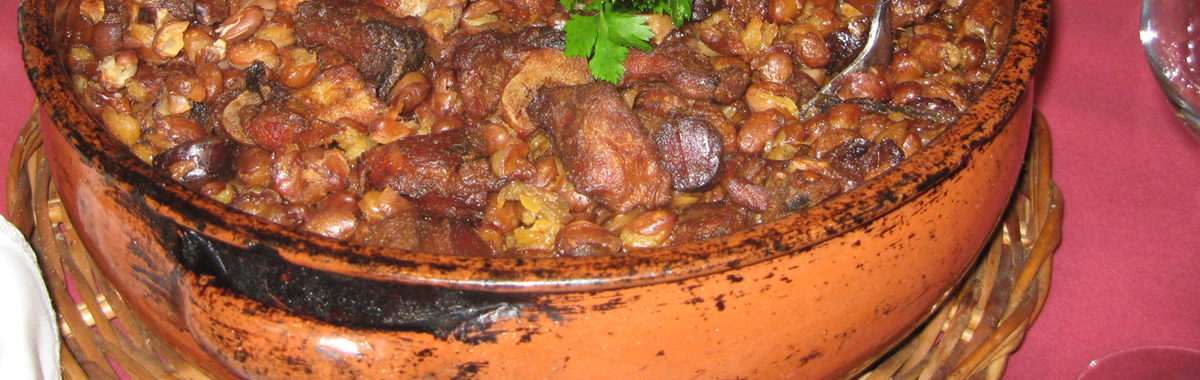
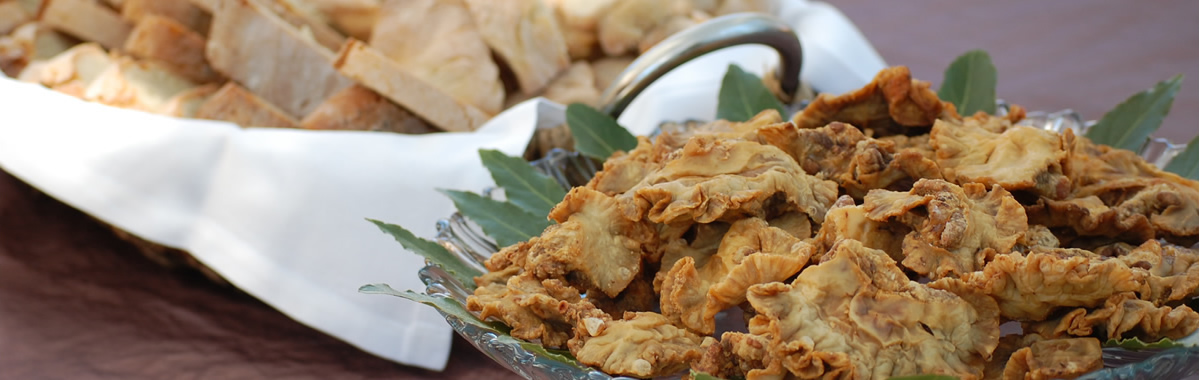
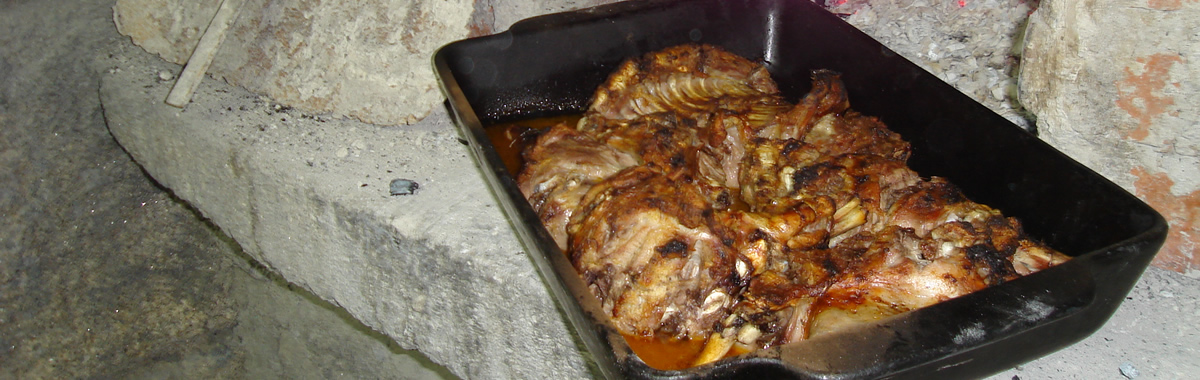
Description: Dimensions: small pieces of meat approximately 5 cm x 3 cm; Color: brownish / golden Aroma: characteristic of pork Texture: rough with greasy touch.
Special characteristics: Pigs from breeds characteristic of the area between the Douro and the Tâmega. Cooking in iron pots, cooking over the fire in the fireplaces of the kitchens.
Species, varieties or breeds: Pig meat.
Additional information on species, varieties, breeds: Pig slaughter, cutting, and meat preparation; Placing several pieces of pork (streaky, shoulder, leg) in salting pans, to preserve and give flavor to the meat.
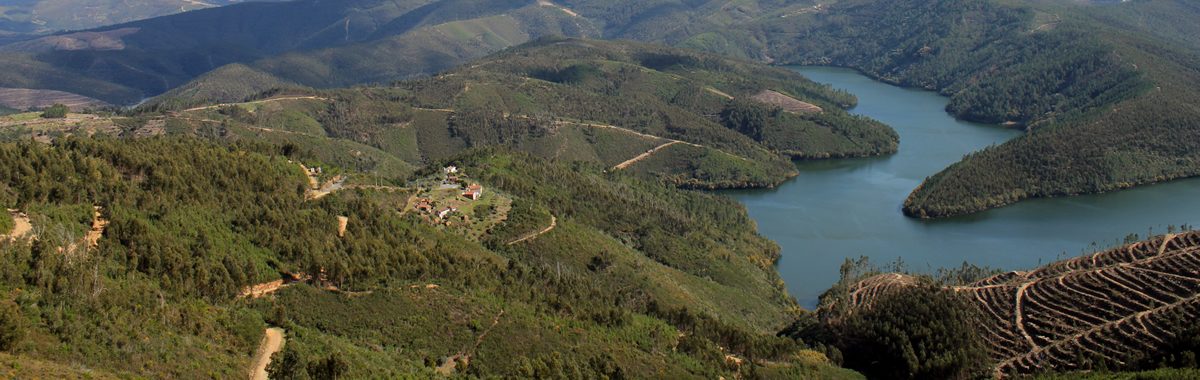
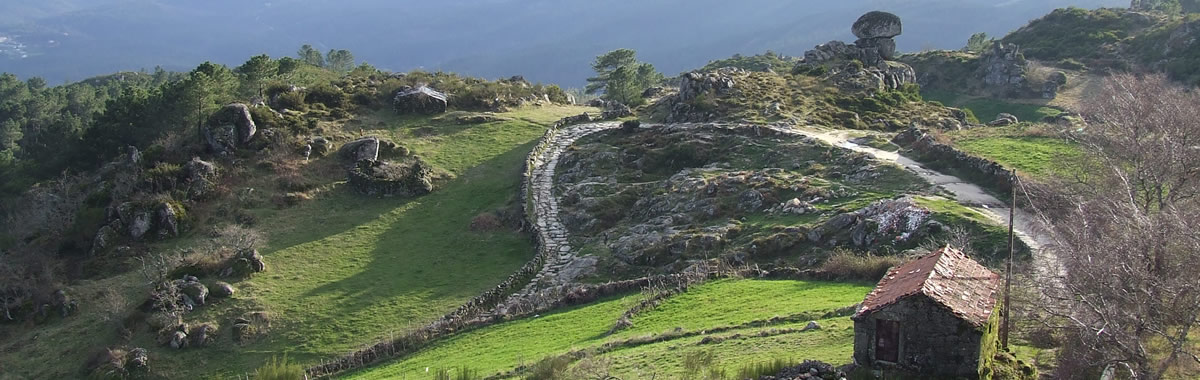
Delimitation of the geographical area of production: Between the Douro and the Tâmega.
Connection to the natural landscape: The pig is one of the most abundant animals in these localities.
Ingredients used: Pingo (lard), pork rojões, small potatoes, salt and lemon juice.
Preparation: Season the meat with salt and let it rest for at least 2 hours. Place the rojões in an iron pan on the fire of the fireplaces, along with the drip and drizzle with a little lemon juice. Stir and let it roar until it turns a golden color. Shake the rojões and put the potatoes in the sauce and let them roar.
Know-how: The particularity of these rojões is their base, pork. Since these animals are mostly still raised in the homes of the populations, with food remains. Another particularity is the use of the three-legged cast iron pan over low heat from the kitchen fireplaces, so that the meat cooked slowly and left a unique flavor in the rojões.
Forms of commercialization: Catering.
Year-round product availability: Limited. Par excellence in the cold months of the year.
Product history: Dish usually served the day after the pig is slaughtered, when the animal is cut off.
Representativeness in local food: A frequent dish in the diet of the people of Marco.
Product availability: Continuous supply.
