




 Português
  English (UK)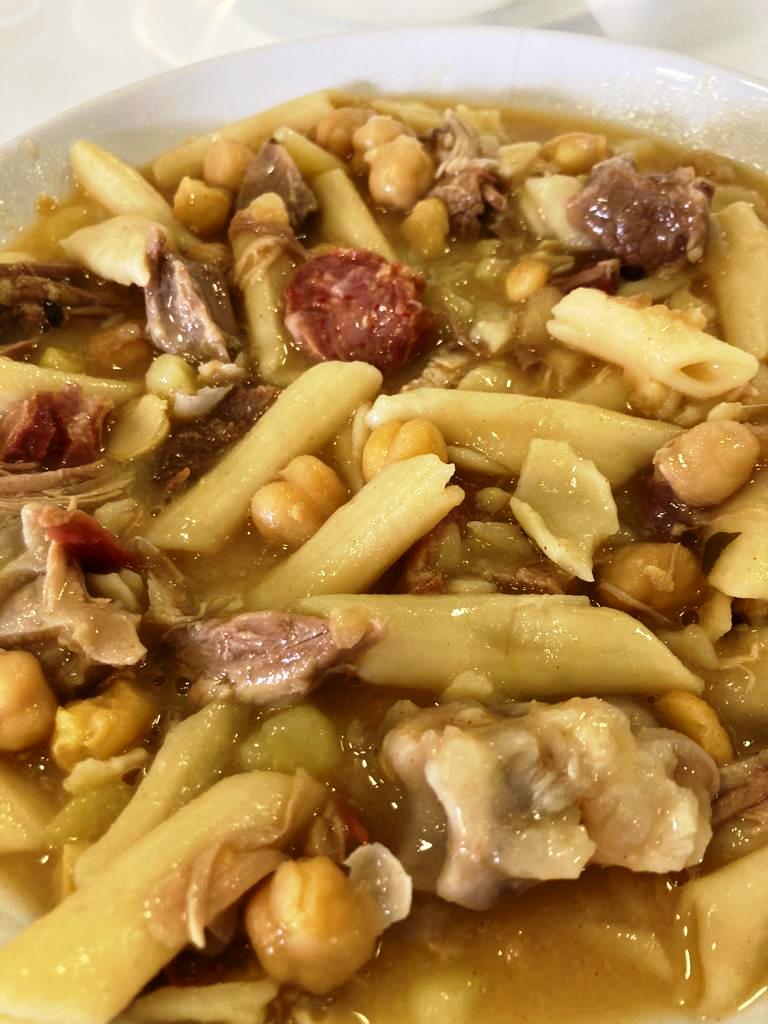
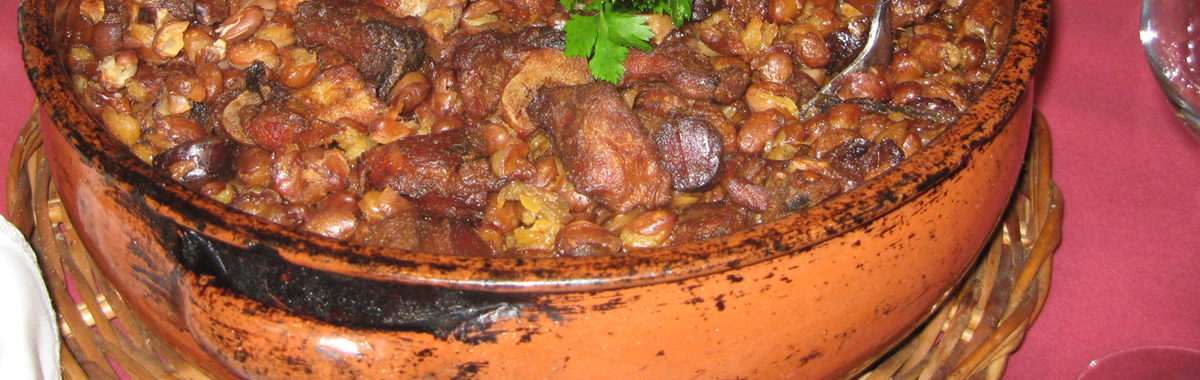
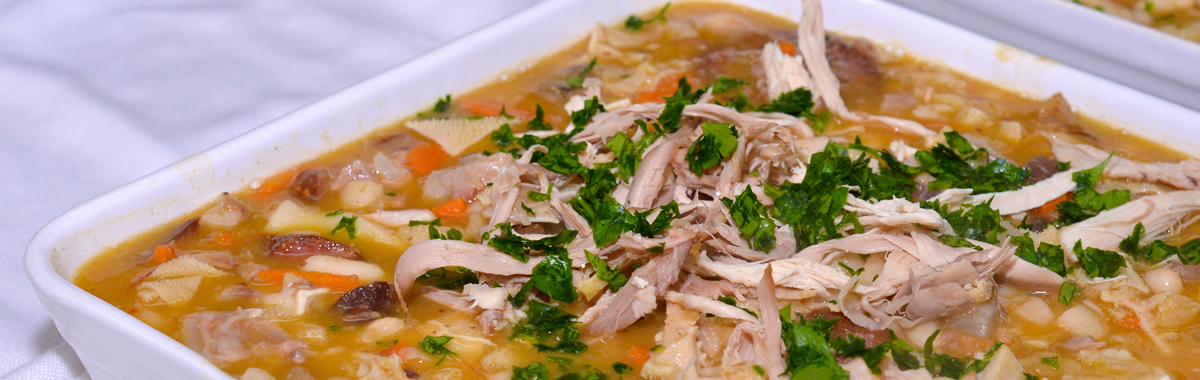
Description: It is a brothy, consistent and full-bodied stew, characterized by a mixture of veal, pork chorizo, boiled potatoes, chickpeas and pasta. Being made up of the main food groups, it is nicknamed in popular language, a "complete dish".
Special characteristics: It is the combination of cereals, meats and legumes that make this a unique dish of traditional recipes.
Region: Trás-os-Montes and Alto Douro.
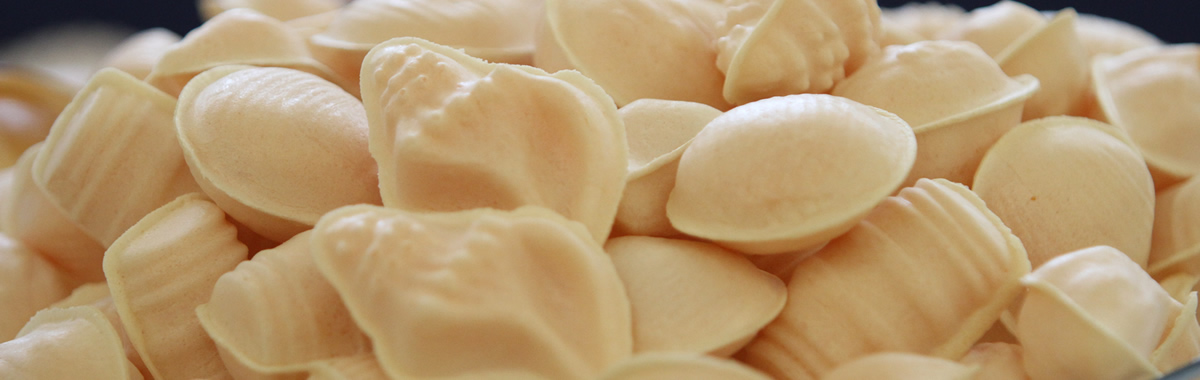
Ingredients Used: Chickpeas, cut pasta, potatoes, veal, chorizo, onions, bay leaf, chilli, paprika, olive oil and salt.
Method of preparation: The current method of preparation of a ranch dish still respects the way of preparation of the traditional recipe and favors the use of locally produced meats, of higher quality.
Know-how: Start by soaking the chickpeas one day in advance. After soaking and draining, it should be brought to a boil to cook. Together with the chickpeas, veal and chorizo can be cooked in a pan with water seasoned with salt, onion and bay leaf. Remove the meat when it is cooked and add to cook with chickpeas, pasta and potatoes cut in-to squares, removing or adding water. It is tempered. Separately, chop onion and chilli and place in a frying pan with olive oil and paprika. When it is golden brown, pour it into the stew pot. Cut the meats into small pieces and mix and serve hot.
Forms of commercialization: In local restaurants.
Availability of the product throughout the year: Available throughout the year, traditionally coinciding with the days of monthly fairs in several municipalities, being particularly popular on these days, in the municipality of Mirandela.
Product history: ranch recipe, although it offers some variations, its main characteristic is the combination of pasta, chickpeas and meat. It can also include other vegetables (often carrots cut into cubes, tomatoes in broth, or other meats such as chicken). About its origin, there are no specific references to the consumption of the recipe in the Portuguese tradition, beyond the mid-nineteenth century, although there are oral testimonies that allow us to report its existence further back in time. However, the history, or part of it, of the origin of Rancho à Moda de Viseu is known, which allows us to con-sider that either due to the influence of this neighboring territory or by the confluence of the availability, in a certain period, of the ingredients necessary for the preparation of this dish, it will be consumed in the Trás-os-Montes region for several generations. Thus, the Rancho à Moda de Viseu or das Beiras, it is said that it appeared in the «nineteenth century, during the war between liberals and absolutists. The Viseu barracks was tasked with moralizing the troops, giving them quality food. To fulfill this mission, he added chickpeas, potatoes, vegetables, thick pasta and pork, veal and chicken, creating a dish that was a huge success among diners, and that entourage won the battle that followed. Another variant of the story tells us that the Ranch began to be made in the Cavalry Barracks that existed in Viseu. In the time of war and rationing, this barracks, located in St. ª Cristina, received and distributed raw materials (from various places) to the people, cultivated the surrounding fields and raised animals (chickens, pigs, and sometimes cows). Among the raw materials he received most abundantly were chickpeas, coming from the lands located further south and the secondrate pasta (mango de capote) offered by the factories. Combining these raw materials with the meat of the animals they raised and the vegetables from the fields, Rancho à Moda de Viseu was born, which achieved such fame that it soon became a dish made in all Portuguese barracks.» Recipes and Flavors of Rural Territories, (2013) MINHA TERRA Federation, p. 103. On the other hand, it is also relevant to mention the importance of chickpeas (SOBRAL:2018:194) and their presence (even before potatoes) in traditional Trás-os-Montes cuisine in various dishes, among which the ranch becomes one of the most iconic.
Since it is not the purpose of this summary of historical contextualization to make an exhaustive historical exploration of the origin of the ingredients that make up the recipe for rancho transmontana, it is also mentioned that the use of pasta reveals the foreign influence, here specifically of Italian cuisine, where this foodstuff originates. This contact is revealed to us in the publications of the first Portuguese cookbooks, as analyzed by researcher Isabel Drumond Braga, who observes that it is with the publication in 1780 of Lucas Rigaud's book "The Modern Cook" that we are described with a Portuguese recipe book with considerable Spanish, French and Italian influences. What is certain is that today, the ranch is an important characteristic dish of Trás-os-Montes gastronomy, which in addition to being associated with fair days has also been present at fairs and regional gastronomic events, integrating the list of emblematic dishes that enhance gastronomic tourism in the region (PEREIRO: 2018). An important testimony of this context is the account given by Laura do Céu, a native of Suçães, Mirandela, former owner of a historic tavern in Mirandela (TROCA:2018:114): «I prepared the head, the chickpeas were already soaked and washed, the chickpeas when I soaked them I put 2 or 3 slices of cod on them so that they could cook well, Then I would take that cod, take it out. I would put 5 kilos of chickpeas in it, put the chickpeas in it and put my head in it when chickpeas, and I would lie down and let it boil. At 11:00 the ranch had to be prepared to rest, everything was "cool", all the bones came out and that meat stayed inside, it was prepared like this: I put 4 or 5 kilos of pasta from the ranch, I cooked it, it was cooked, it was fine, I put a frying pan on the heat with plenty of olive oil and chopped chives, the onion was finely chopped, blonde, I put a little paprika to give it that little color, it gave it another boil, He went out and was there. The people were not yet noon, they were eating ranch."
Representativeness in local food: Consumed as a main course all over the region of Trás-os-Montes and Alto Douro.
Other documentary elements (written, photographic, videographic, etc.): BRAGA, I.D. "Influências estrangeiras nos livros de cozinha portugueses (séculos XVI-XIX). Alguns problemas de Análise". In: BRAGA, Isabel M. R. M. D. Do Primeiro Almoço à Ceia. Estudos de História da Alimentação. Sintra: Colares Editora, 2004a, p. 101 – 118. Available at: https://www.academia.edu/6679906/
PEREIRO, XERARDO; Tibério, M.L.; VÍTOR RODRIGUES. "Comer e beber as paisagens: Alimentação e turismo nos restaurantes de Vila Real". Trabalhos de Antropologia e Etnologia 58 - (2018): 359-385.
TROCA, Armando (2018) - Master's Thesis - Gastronomia e Culinária da Terra Quente Transmontana-Património Identitário e Recurso Turístico (O Caso do Concelho de Mirandela).
Receitas e Sabores dos Territórios Rurais, (2013) Federação MINHA TERRA.
