



 Português
  English (UK)
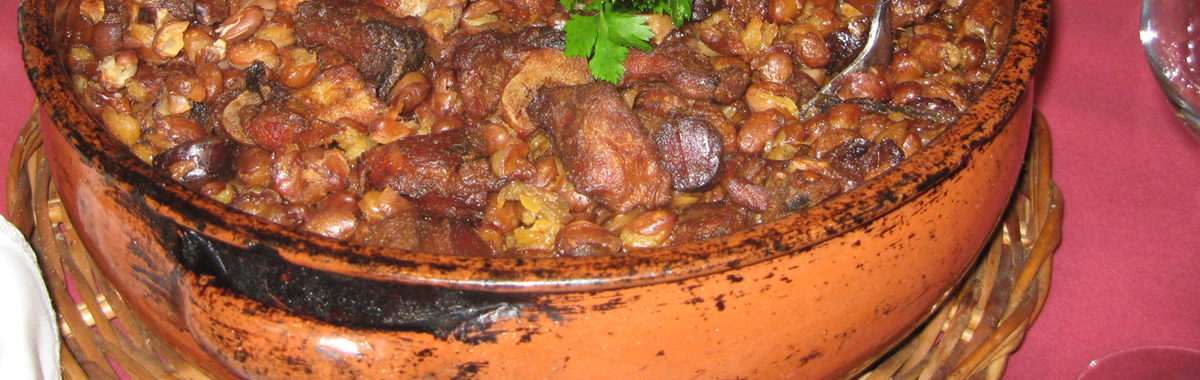
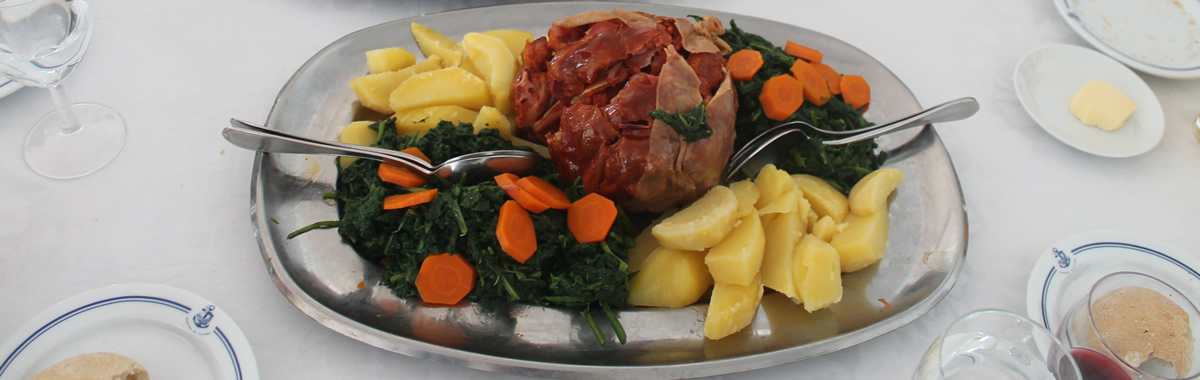
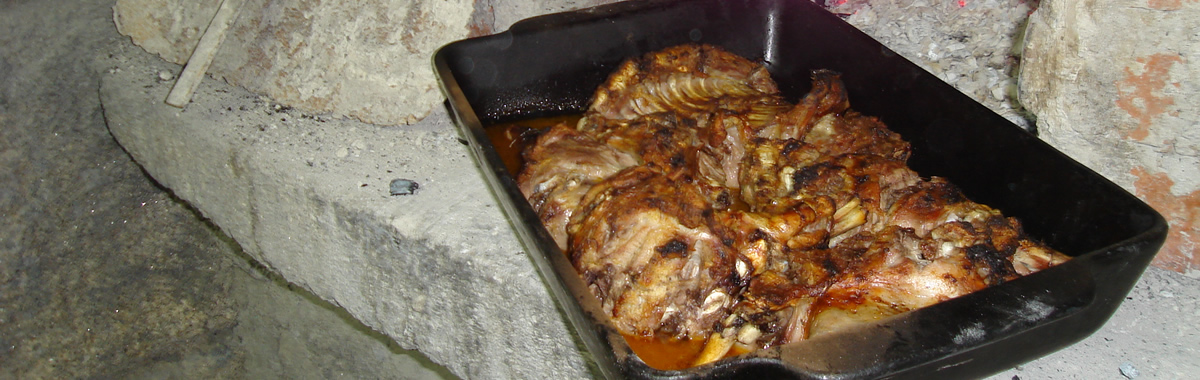
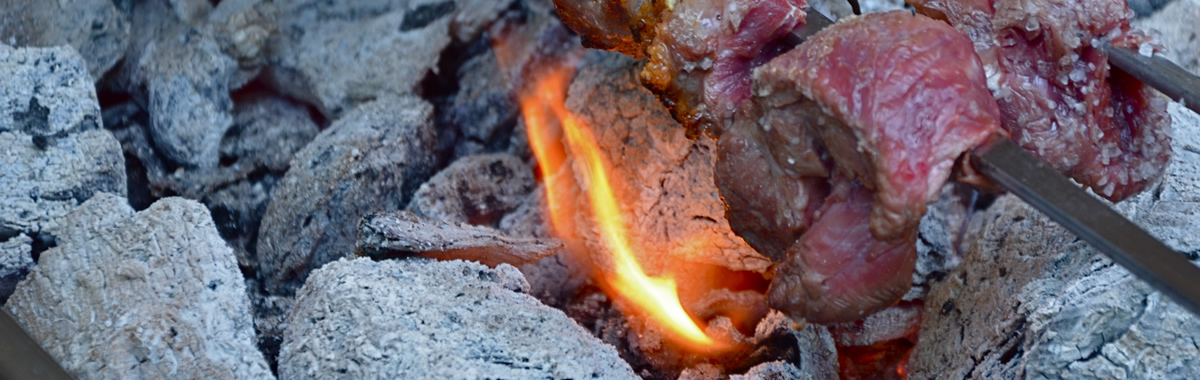
Description: Small slices, reddish tone before making, brownish tone after making, soft aroma and soft texture.
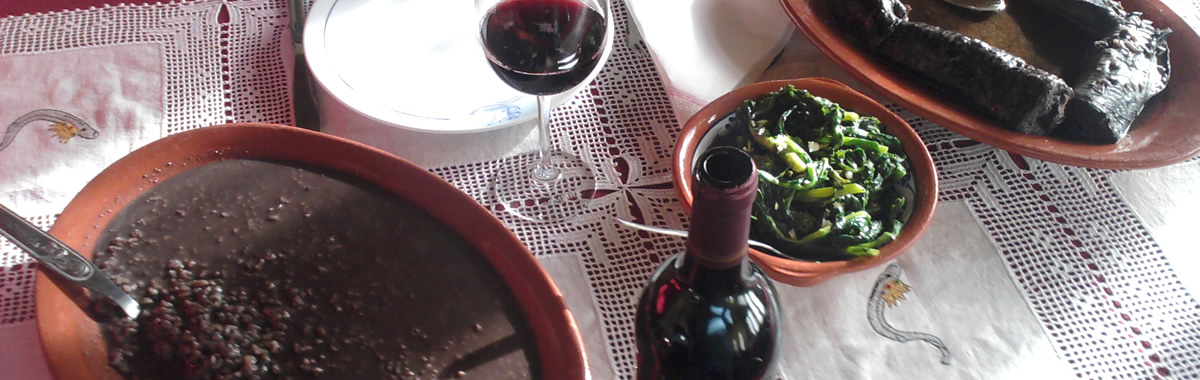
Special characteristics: Before cooking, the meat has a reddish color, showing some signs of light fat. Once made, the wire is smooth and the brownish tone emerges from the sauce that was formed from the wine and the animal's natural fat.
Species, varieties or breeds: Portuguese goat.
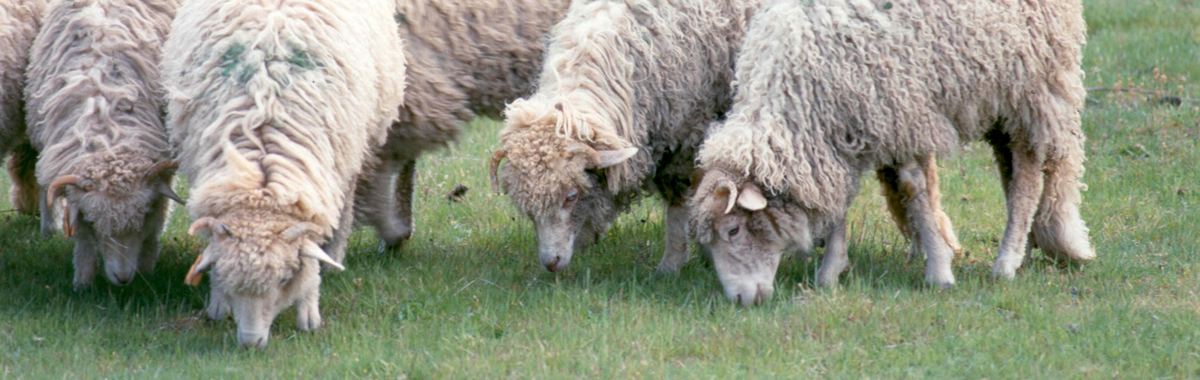
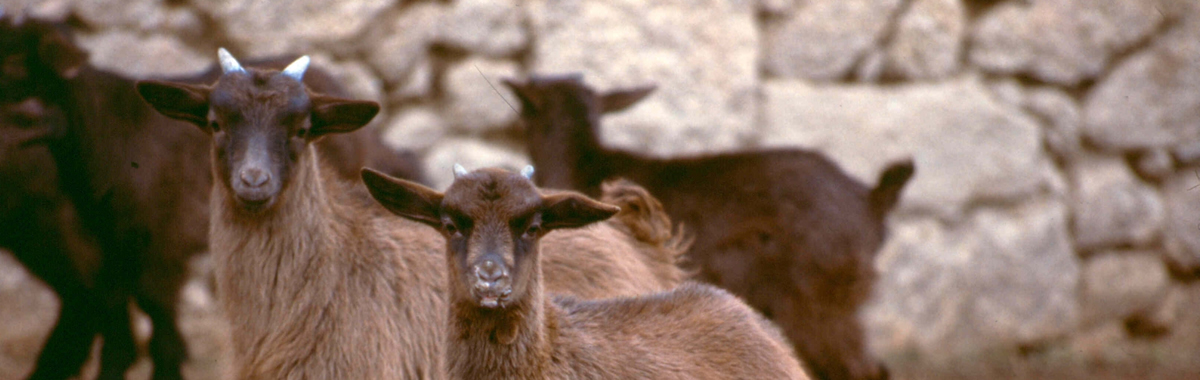
Additional information on species, varieties, breeds: The goats roamed in flocks, grazed by one or more elements, depending on the number of heads. The peasant took advantage of everything from the goat. When I was young, I gave kids and the milk with which cheeses were made. After death and in addition to the chanfana, it allowed her to make the negalhos, the chispe and the wedding soup. From the goat's stems were made handles for gaffes and knives, as well as buttons.
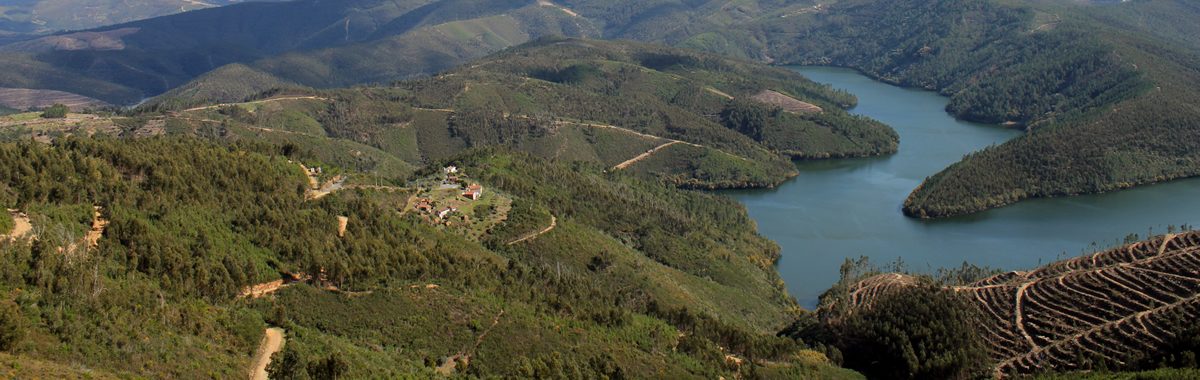
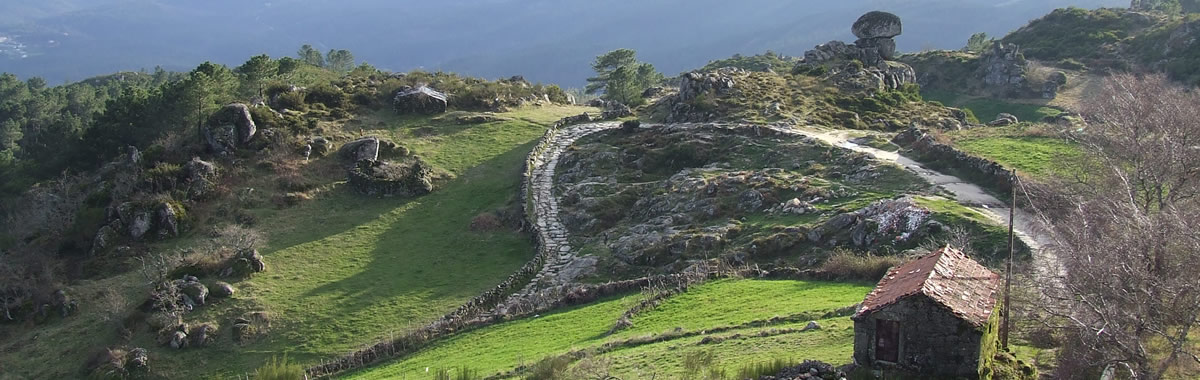
Connection to the natural landscape: Herds of goats grazing in the windrows, meadows and slopes of the Beira area.
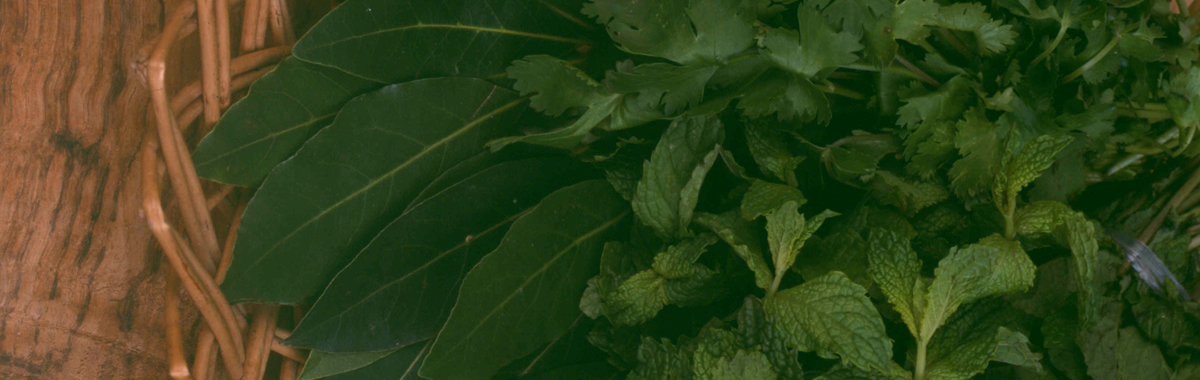
Ingredients used: Old goat meat, wine, paprika, garlic, salt and bay leaf.
Preparation: Distribute the old goat meat in the black clay caçoilos, put 2 whole heads of garlic, 1 tablespoon of salt, 1 tablespoon of paprika, 2 bay leaves and top up with red wine. It goes to the wood oven, after it is very hot. During the time the chanfana is baking, usually about 4 hours, the mouth of the oven must remain completely sealed with clay.
Know-how: Traditional confection has evolved in some cases, with some adding pepper and even cloves to the indicated confection.
Product availability throughout the year: Permanent in specialized restaurants.
Geographical area of production: The goat is widespread throughout the country. The confection of chanfana originates from Miranda do Corvo, associated with the Benedictine Convent of Semide, and is disseminated, particularly, by the Beiras.
Source: Real Confraria da Cabra Velha
