






 Português
  English (UK)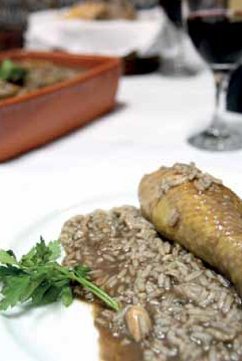
Delimitation of the geographical area of production: Valongo, Gondomar, Santa Maria da Feira, Oliveira de Azeméis and Albergaria-a-Velha.
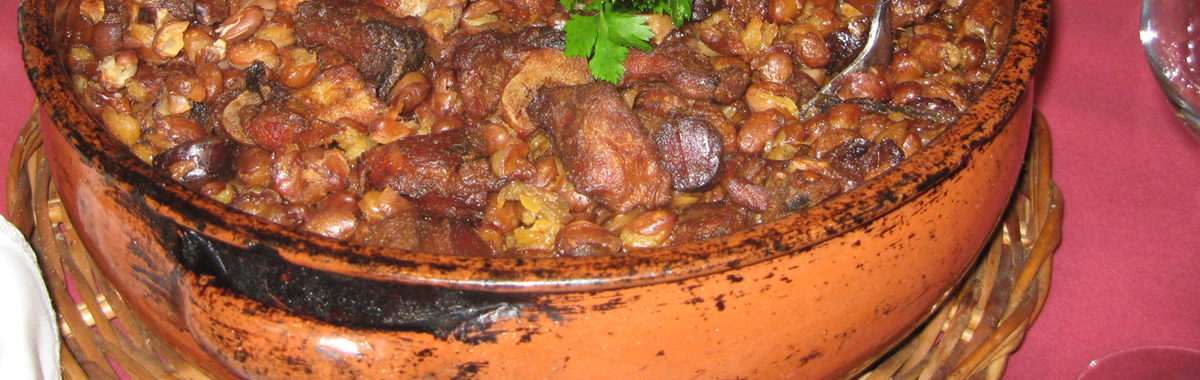
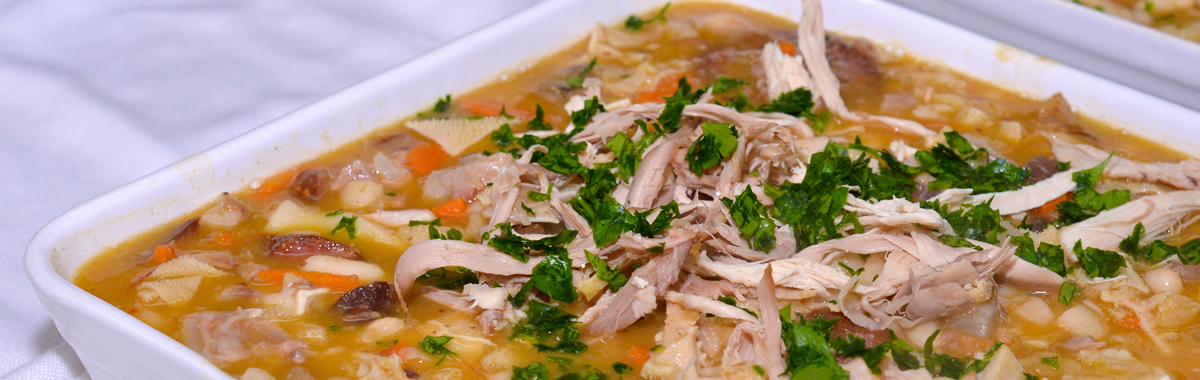
Ingredients used: Homemade chicken (preferably rooster): onions; olive oil; garlic; salt; pepper; vinegar; red wine; bay leaf; ham.
Preparation: Kill the chicken the day before and use the blood for the bowl with the vinegar and red wine. It is broken into pieces only after it is cold and seasoned with plenty of garlic, salt and bay leaf. Sauté with olive oil and onion, add the chicken, the ham strips and let it brown. Water is added, little by little. When the chicken is getting cooked, add the necessary water, previously heated, and then the rice. Bake for 10 minutes, then add the blood and cook for ap-proximately 5 minutes or less. Rectify the seasonings and serve immediately.
Product history: Cabidela Rice, very widespread in the Minho region, is related to the distant roots of an agricultural economy associated with poultry farming and small livestock, used as a "gastronomic treat" on feast days, or to overcome economic difficulties through its exchange between neighbors, for products that were in domestic shortage or for sale at the nearest fairs and markets. Egg production was an important complementary resource to poultry breeding. The great dissemination of cabidela rice is also due to the fact that it is an easy-to-make dish, which is enough for many diners, especially when it is "naughty" and because it does not require the purchase of expensive ingredients, since it was enough to go to the backyard to have access to the chicken.
Source: Receitas e Sabores dos Territórios Rurais, MINHA TERRA, 2013
