




 Português
  English (UK)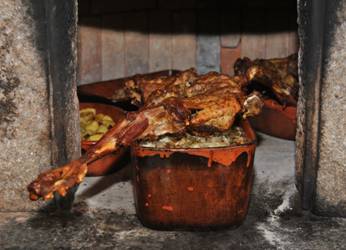
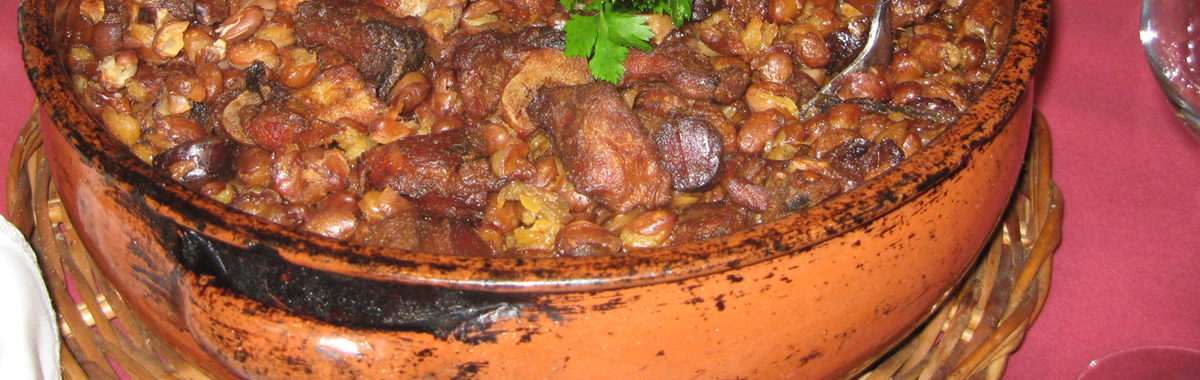
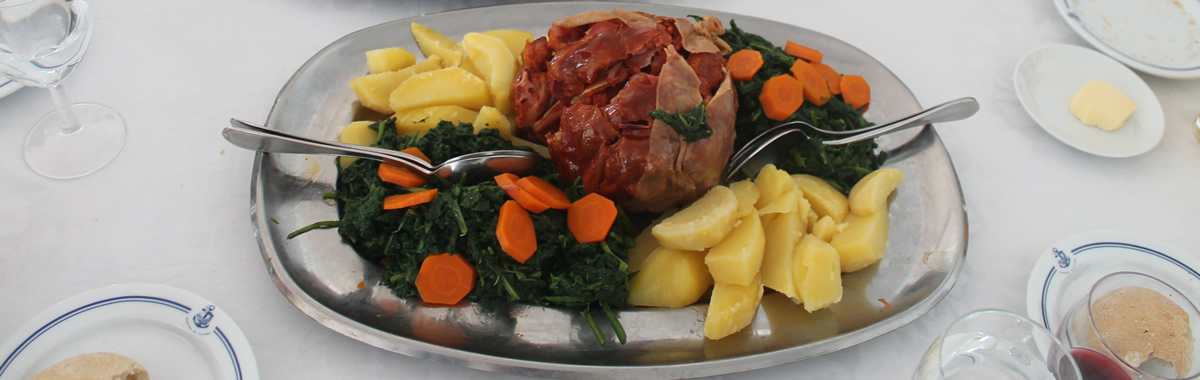
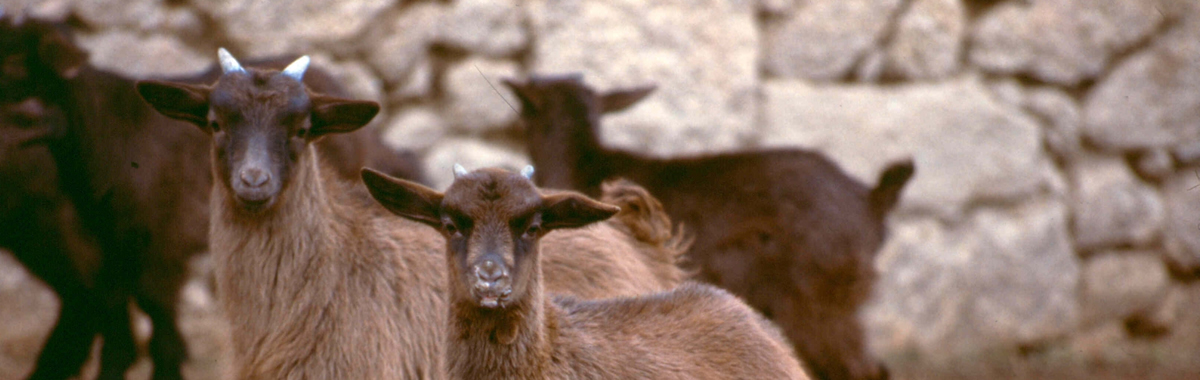
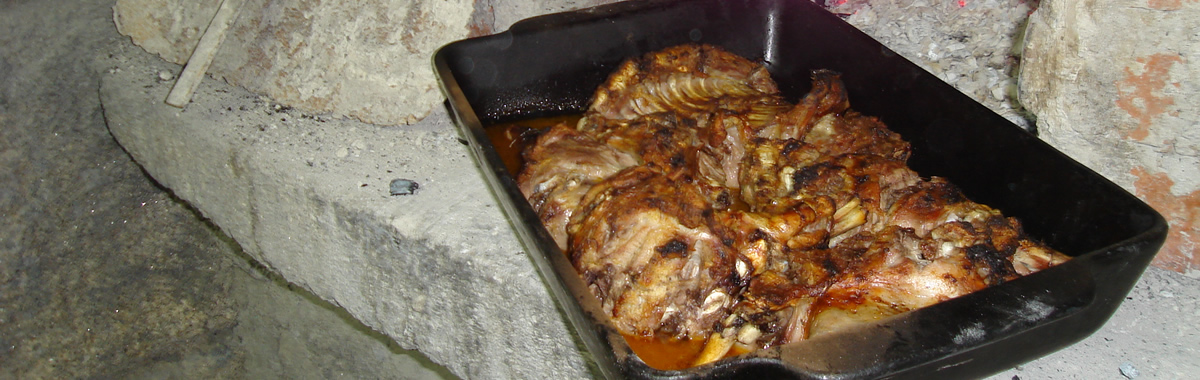
Description: Animal between 5 and 10 kg in weight; After being cooked, it has a brownish color; Characteristic aroma of the meat with the various spices; Rough texture.
Particular characteristics (signs that highlight the uniqueness of the product): Way of making and presenting the product, in which the lamb has to be roasted on top of the rice, in a wood-fired oven, made of clay brick.
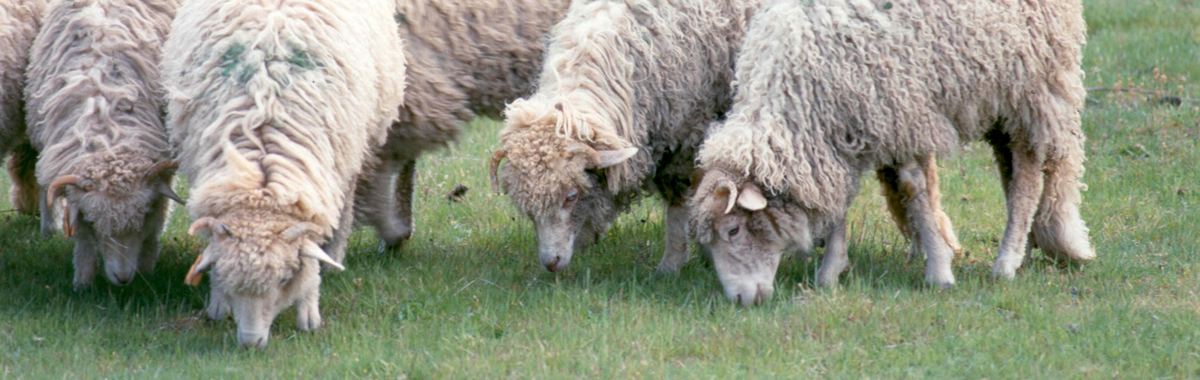
Species, varieties or breeds (of associated animals): Sheep, from the terminology Ovis aries.
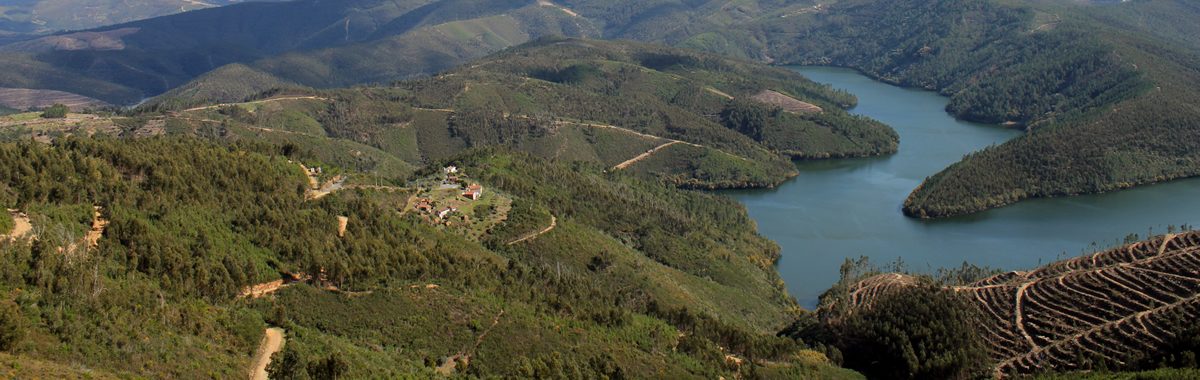
Delimitation of the geographical area of production: Region between the Douro and Tâmega. Particular form of confection from the municipality of Marco de Canaveses.
Connection to the natural landscape: Characteristic and abundant animal in the region, fed on the green and wild pastures of our mountains. It is an animal with several purposes of use: meat, blood and skin of the animal.
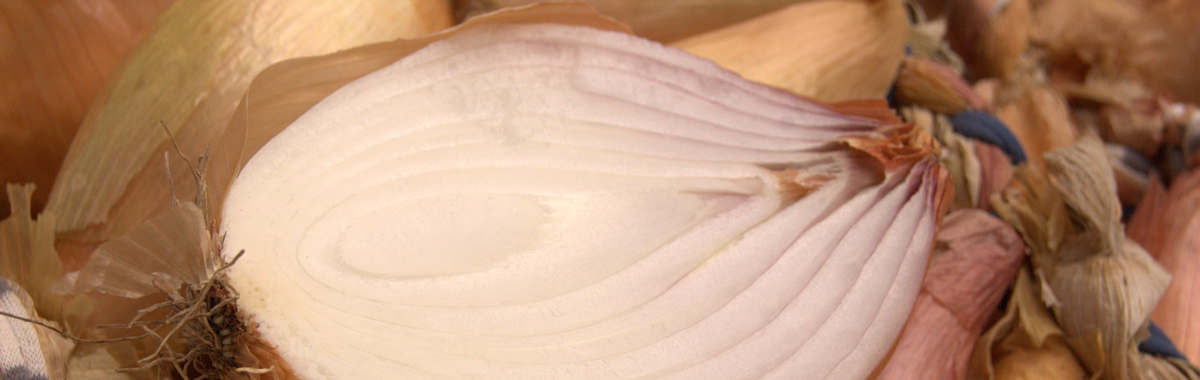
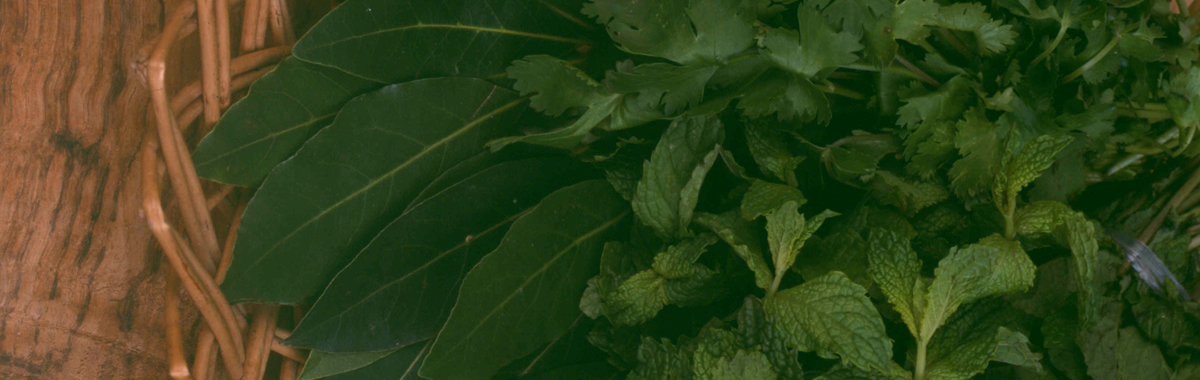
Ingredients used: Lamb of +/- 10 Kg of weight; bay leaf / laurel; parsley; garlic, olive oil, onion, paprika, bacon, "lard", white green wine, salt, rice, potatoes.
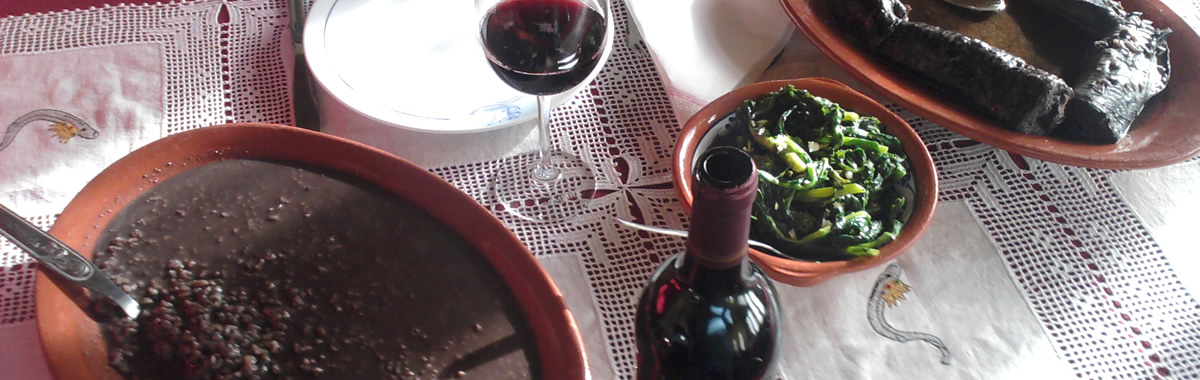
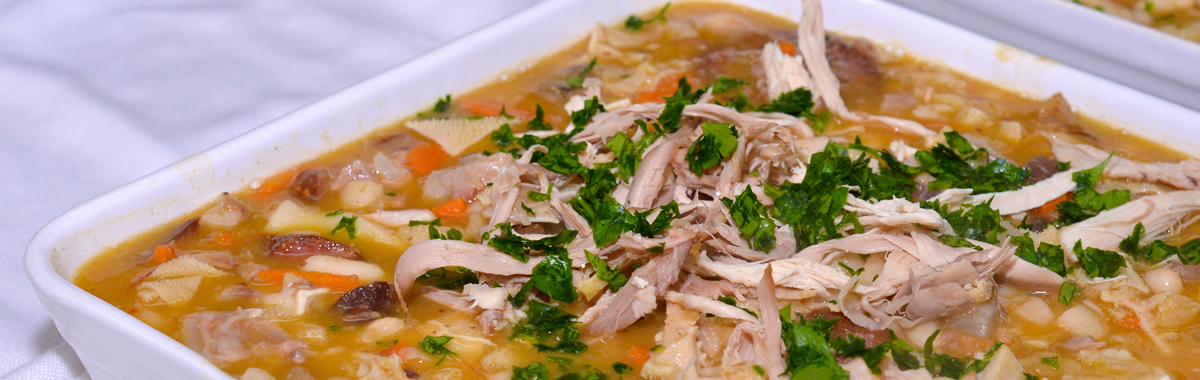
Preparation: Its preparation begins the day before, preparing a paste of the condiments described, greasing the lamb and letting it rest so that it absorbs the flavor of the spices. The next day, a syrup is prepared, cooking the head and the "legs" of the lamb, sausage, ham, pork, beef, onion and salt. Let it boil until it turns white. Meanwhile, place the rice in the clay bowl, adding onion, a drizzle of olive oil, parsley and salt. Arcesce the syrup previously prepared, stir and place a rack over the bowl, where the lamb is then placed.
At the same time as this preparation, the wood-fired oven is lit. The heat must be kept constant, so that the oven does not heat up too much or too quickly. All in due time in the tranquility of the flame, which from time to time it is necessary to stir up. Hot oven with a white clay look inside, it is ready to house the lamb and cook it like no one else. Place the rice bowl, the grill on top and the "greased" lamb on top, and go to the oven. Close the door and let it roast slowly for approximately one hour, at which point the door to the oven is opened, turn the lamb over and put it back in the oven, closing the door and letting it rest for another third of the cooking time. "By opening the door to the oven"... toasted, it's ready to enjoy.
Know-how: The particularity of this product has to do with its form of production, which has to be made in a wood-fired oven, made of clay brick, and the lamb has to be roasted on top of the rice. Its preparation the day before is essential for the flavor of the meat to add all the flavors of the ingredients of the paste in which the lamb is spread.
Forms of commercialization: It is sold by the dose in restaurants.
Product availability throughout the year: Roasted Lamb with Oven Rice is available all year round in the municipality. With the Roasted Lamb Route with Oven Rice, it is available on several days of the week, in the various restaurants participating in it. For large groups, it is necessary to make an appointment in advance.
Product history: Roasted Lamb with Oven Rice has been a "party dish" par excellence, since time immemorial, gaining special prominence in this region between the Douro and Tâmega where pastoral-ism complements agricultural activity. On the one hand, we found it associated with the meal that culminates the day of the harvest, being served to workers – often neighbours – from small communities who took turns in the spirit of mutual help in agricultural work. On the other hand, weddings, in the "wedding" menu, obligatorily contemplated the Roasted Lamb, which often, instead of asking the date of the wedding, wondered when the "Invitation to the Child" of the marriage. The history of oven rice, typical of this region and which the confraternity of Roasted Anho with Oven Rice promotes and defends has a particularity. In the time of our ancestors, we know of the monetary difficulties that were experienced in these lands, lands that also belonged to barons and baronesses, to bosses and caretakers. As usual, on feast days, the caretakers prepared the roast lamb in the oven so that they could enjoy a beautiful delicacy with the family. At the end of the meal, as there was little left of the lamb, only rice, which was also delicious, the caretakers found a way to be able to enjoy the roasted lamb, placing it on top of the grill, so that it would "drip" the condiments and the flavor of the lamb through the rice. Knowing the good flavors, they could taste tasty rice, with the taste of roasted lamb.
Representativeness in local food: It is the gastronomic dish of the municipality. It is the county's party dish.
Product availability (phase-out, continuous supply, recovery): Continuous supply. The Roasted Lamb with Oven Rice is available all year round in the municipality. With the Roasted Lamb Route with Oven Rice, it is available on several days of the week, in the various restaurants participating in it. For large groups, it is necessary to make an appointment in advance.
Other designations: Throughout the national territory it has several designations: Lamb or lamb.
Documentary elements (written, photographic, videographic, etc.): From ancestral times, the roast lamb with oven rice is also described by various writers and personalities over time, from which the following stand out:
“[…] We uncovered Don Esteban's basket from which a grandiose bodo emerged, of ham, anho, partridges, other cold viands that the gold of two noble bottles of Amontilado, as well as two bottles of Rioja, warmed with the warmth of the Andalusian sun. […]”
Eça de Queirós in The City and the Mountains
“[…]Indra will only listen to him, he will only grant the benefits he has prayed for, when around his altar certain old men, of a certain caste, dressed in candid linen, raise sweet songs for him, offer him libations, heap up gifts of fruit, honey, and lamb meat [...]"
Eça de Queirós in The city and the Mountains
“[…] and the fifth later, with its trellises of soft shade, the dormant whisper of the watering waters, the clear and matte gold waving in the wheat fields, offers, more than any other human or biblical para-dise, the right rest for those who emerge, heavy and smiling, from this rice and this lamb [...]"
Eça de Queirós in The correspondence of Fradique Marques
“[…] The Lord makes the sweet nights of the month of Nizan brief, when the white lamb of the Passover is eaten in Jerusalem [...]"
Eça de Queirós in A Relíquia, p. 182.
