








 Português
  English (UK)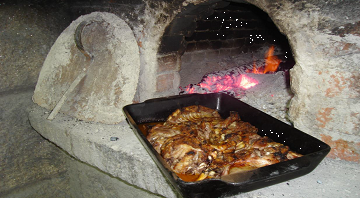
Description (dimensions, colour, aroma, texture): In organoleptic terms, this meat has a light colour, in shades of pale pink resulting from the still almost exclusive feeding of breast milk. The meat has a soft consistency which gives it a feeling of tenderness when chewing. When these meats are still young, they do not have a large amount of fat, which can lead to some confusion between juiciness and tenderness, as they are meats that are most often rich in water.
The most pronounced characteristic in sensory terms is the pronounced smell, often defined as "milk smell". In nutritional terms and as mentioned earlier, it has a lower amount of fat, even when compared to other young meats, such as veal. However, and like any food should be consumed in moderation, justification given by the fact that there is a higher purine content.
Particular characteristics (signs that highlight the uniqueness of the product): As with the different types of meat, the Kid takes on a very unique identity, being directly associated with mountainous regions and is usually used in festive seasons such as weddings, popular festivals, Christmas and Easter.
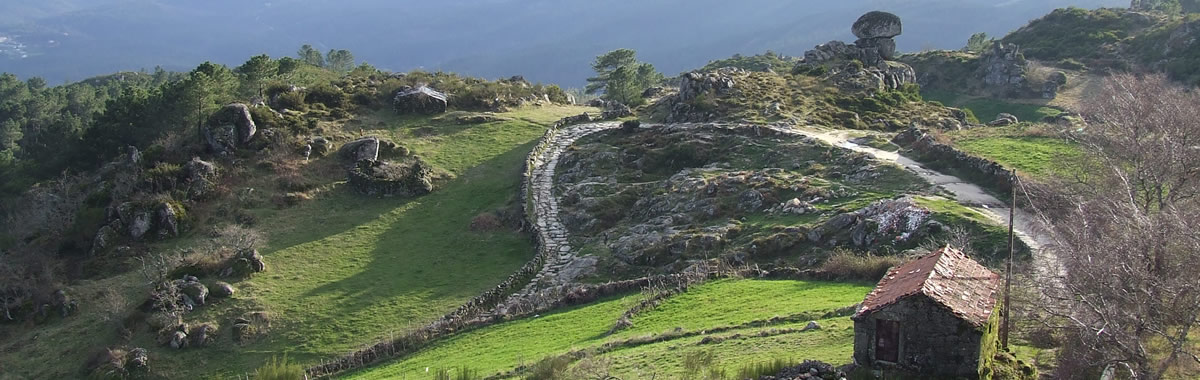
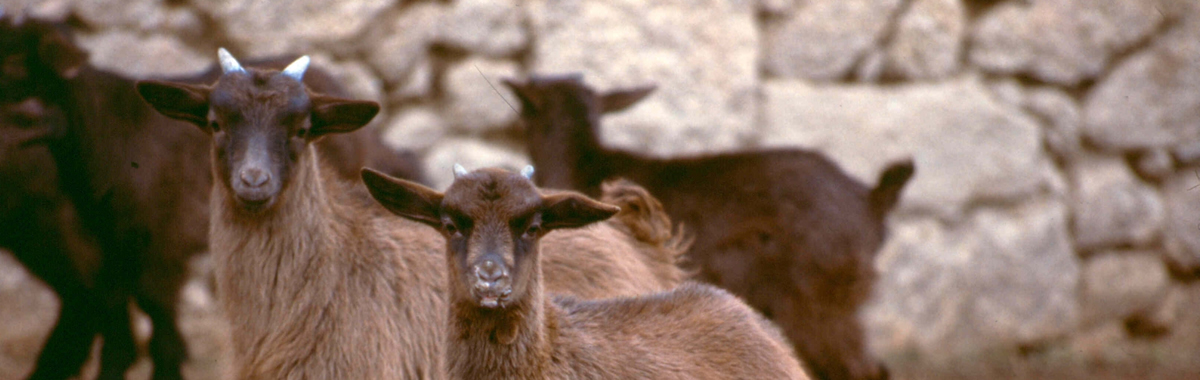
The Serra do Caramulo goat is of the mountain breed and is of small corpulence in extensive grazing in the mountain with strongly steep slopes, sometimes inaccessible to man, but likely to be populated by small ruminants, especially the mountain goat that adapts so well to the specific conditions of the environment. The predominant flora is spontaneous meadows based on heather, carquejas, broom and gorse, which characterizes and gives a unique and much appreciated taste to the goat of this region. But, in addition to the flora, we cannot forget the use of the wood oven for its preparation, as well as the black clay baking trays of Molelos for its perfection and finally the mastery of the wise hands for its seasoning.
Species, varieties or breeds (of the associated animals): Mountain Goat and Caramuleira Goat.
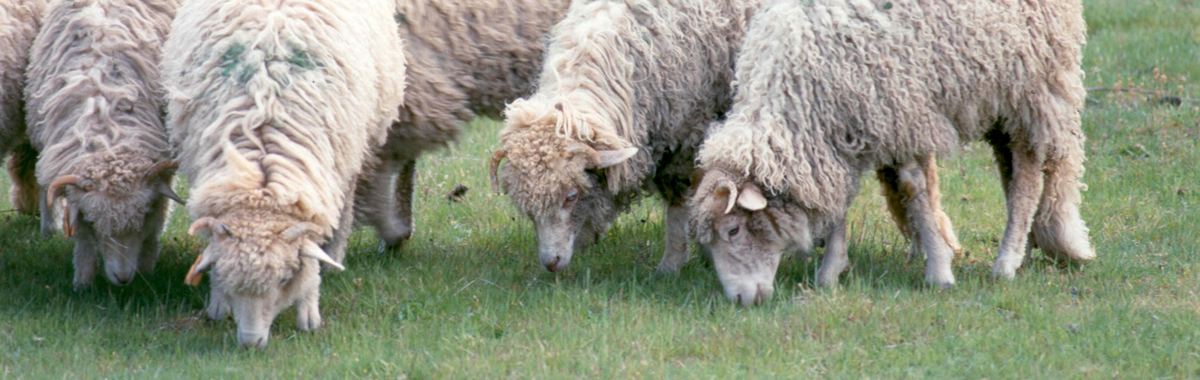
Additional information on species, varieties, breeds (manage-ment techniques – transhumance; collection techniques – xávega art; lamprey harvesting, honey collection; etc; trades; acces-sories; feeding; derived products): General aspect – medium structure, predominantly dairy aptitude. Weight – Males from 35 to 50 kg and females from 25 to 40 kg. Throughout the year the animals look for their food in the mountains, however, when the winters are more severe in which snow, cold and frost are pronounced markedly there is a need to resort to dry pastures stored during the summer, and on these occasions the animals stay longer in the corrals sheltered from the weather.
Early in the morning the goats leave the corrals in search of food, al-ways accompanied by the shepherd who also makes himself garnish with the capucha and his meal, as the saying goes of this mountain "The capucha and the snack never hurt the shepherd". During the morning and early afternoon they travel through hills and valleys, springs and streams, returning in the evening to settle down to rest. Each one has its own name and the shepherd, even with several dozen animals, knows which one is missing in the flock, which one is more late, which one does not respond to the call, a relationship of deep knowledge and complicity is created between the animal and the shepherd, not being seen as another animal, but as a goat (fe-male) or a chibo (male, also called goat) that is part of that flock.
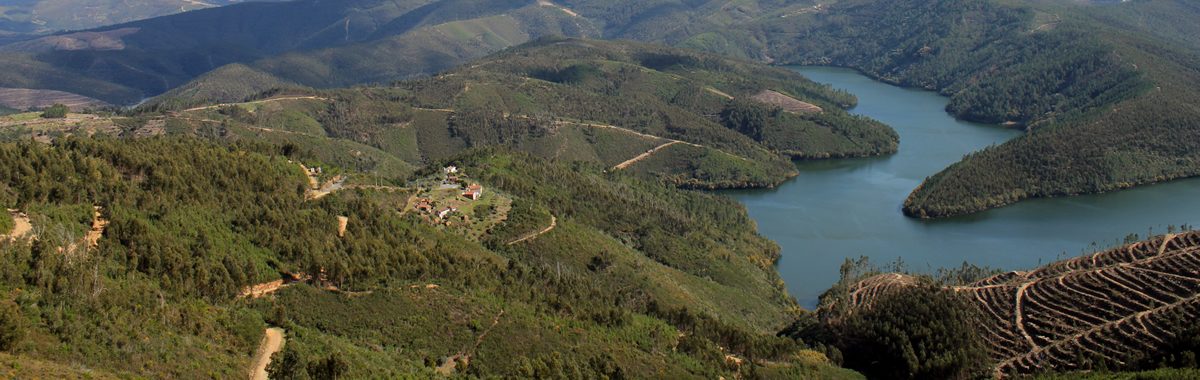
Connection to the natural landscape: Goats, as they feed on pastures and bushes, will enhance the protection of soils, making them more fertile, in some way they also help to control fires, since they allow the thinning of thickets and provide a landscape enrichment of unparalleled beauty. As their grazing is extensive and carried out in the mountains of steep terrain and with strongly steep slopes, they are often places inaccessible to man, but susceptible to being frequented by small ruminants such as the mountain goat that so well adjusts to the unique circumstances of this environment.
Ingredients used: 1 Kid (3 to 5 kg); 6 cloves of garlic; 2 bay leaves; 1.5 tablespoon of paprika; 1 bunch of Parsley; 3 small piripiri pods; coarse salt to taste; 0.75 dl mature white wine; 1 dl olive oil; 1.5 tablespoon lard.
Preparation: After being cleaned and the viscera removed, the kid is cut into large pieces/quarters. Then spread with a porridge made with crushed garlic, coarse salt, paprika, piripiri, bay leaf, olive oil and lard, add the bunch of parsley and drizzle with some wine. The kid should be seasoned overnight or at least 3 to 4 hours.
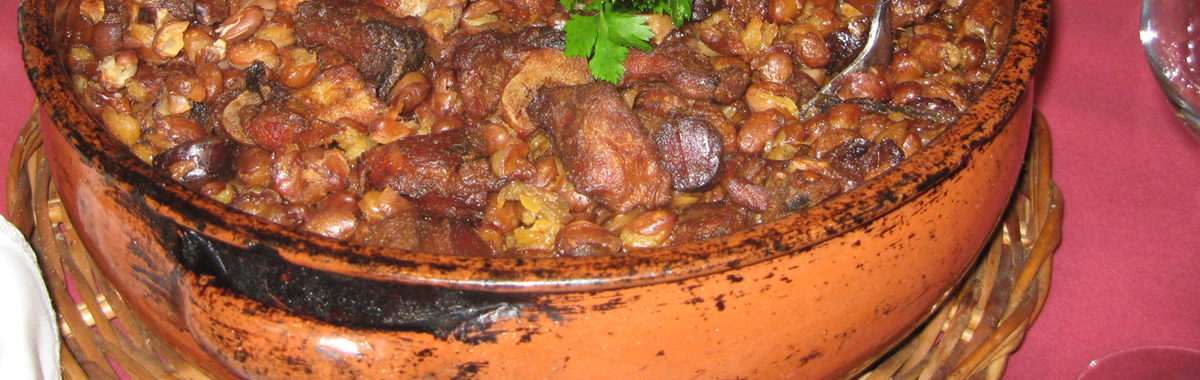
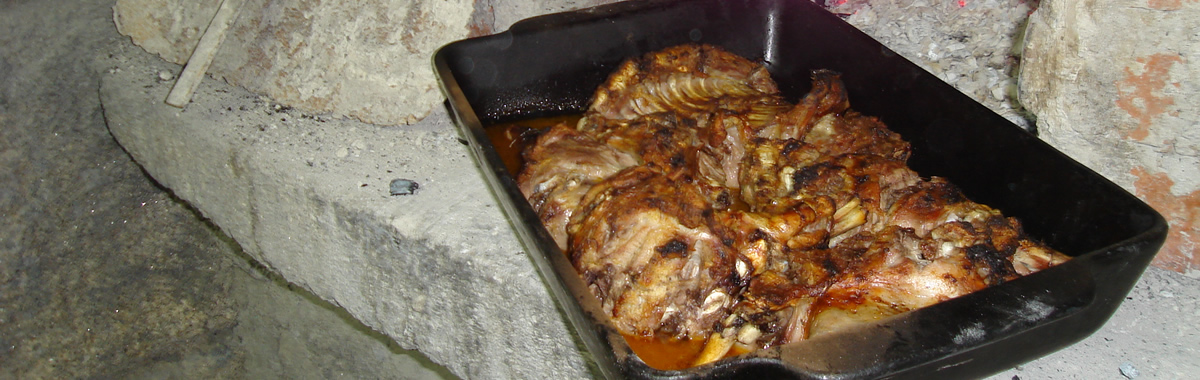
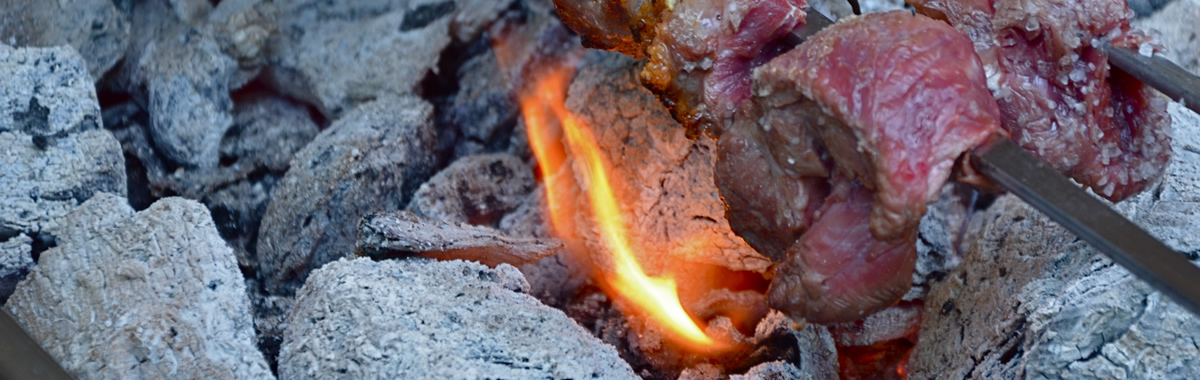
The kid should be roasted in a wood oven, which should be at the appropriate temperature. Place in a black clay pan from Molelos and bake. The roasting process must be monitored so that the kid is well toasted, for this be careful to drizzle it with the sauce accumulated in the roasting pan and in the absence of this use the remaining white wine that is left over from the raw seasoning. During the roasting time, the seasonings must be ratified.
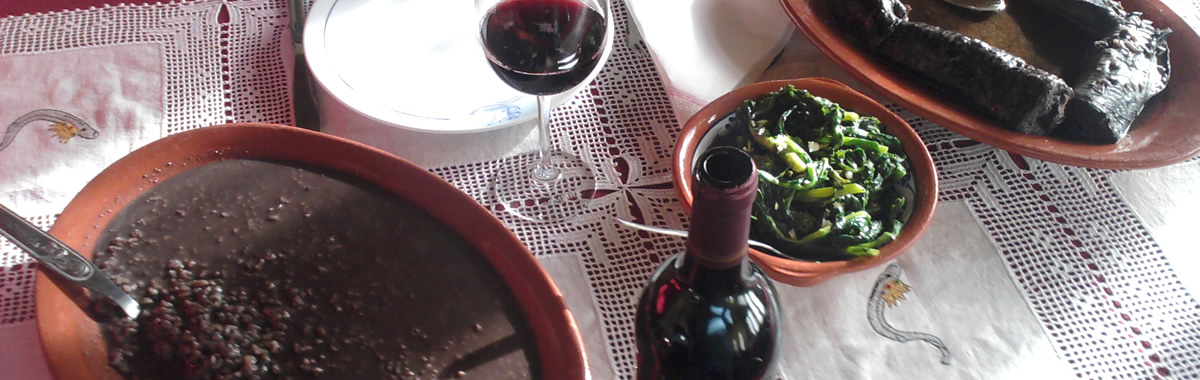
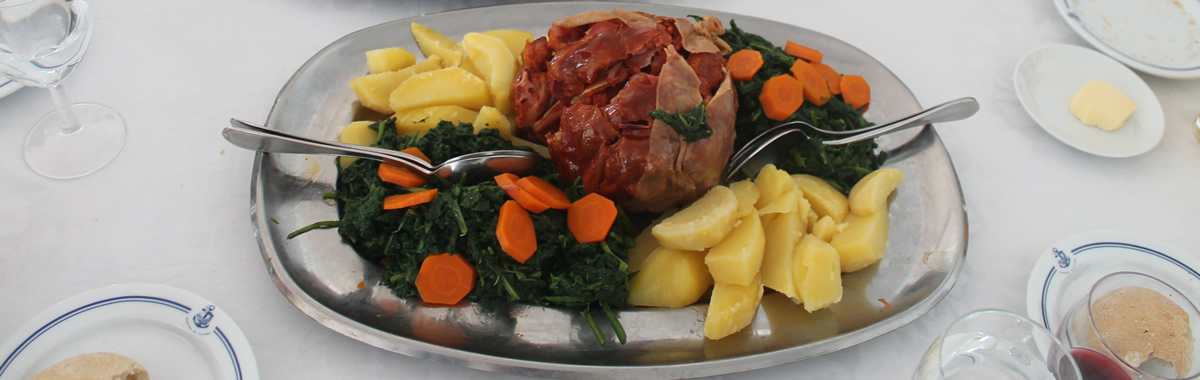
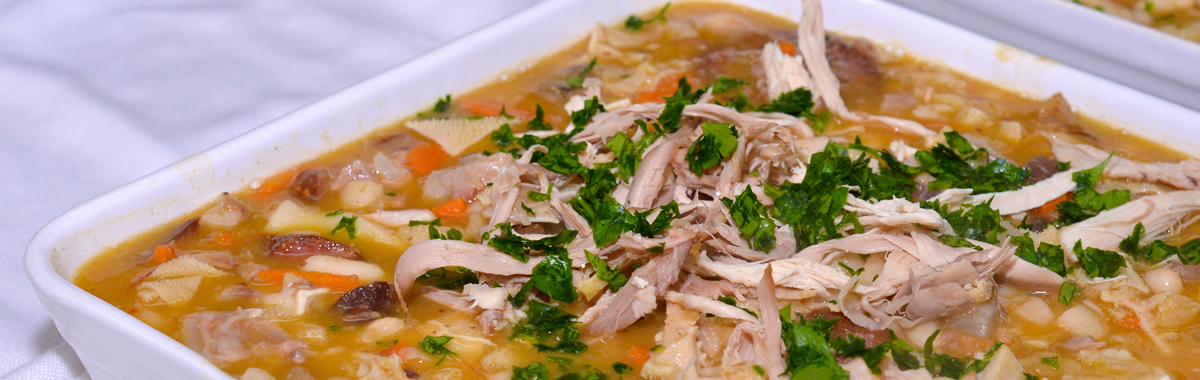
Finally, once ready, it should be served with roasted potatoes, giblet rice and sautéed turnip greens.
Know-how: The various populations that over the centuries settled in the Beira Alta region, largely dominated by mountain and forest areas, not very conducive to agriculture, from an early age distinguished the raising of goats and sheep as an important means of veras for the maintenance of their food balance and the livelihood of the household.
These Beira people have always made the best possible use of the meat of goats, giving them a prominent place at the Beira table, always present on feast days, and preserving, in some cases, knowledge transmitted by the ancient peoples of the Mediterranean.
Roast is one of the most traditional ways of serving meat, but among the various goat recipes, the one that makes use of wood ovens, the black clay roasting pans created in Molelos and the knowledge transmitted by the different senses of the wise people who inhabit these mountain slopes stands out.
Forms of commercialization: Local catering.
Availability of the product throughout the year: The goats calve mainly in spring and autumn, for two to three months the goat suckles the goat. Goat's milk is considered light (easy to digest), but it contains a set of nutrients sufficient to feed the goat (proteins, fat, minerals, vitamins, etc.). The kids are then weaned, and on some farms, the goats are milked every day to create tasty goat cheese.
Product history: Goats are considered to be among the first animals that were domesticated and this happened around the year 7000 BC in the Middle East. This justification may be based on its natural resistance and its ability to adapt to extreme conditions, which early on caught the attention of primitive peoples and with this the possibility of domesticating it was manifested. Given the global characteristics inherent to the animal, it becomes a common species among humans, which in case of famine would be one of the first animals to be slaughtered, not only because of its proximity, but also because of its size and poor ability to escape. Thus, both the goat and the goat become a constant presence in human food, which would also be used as a form of payment and exchange of products.
Over the years, many other animals were domesticated by man, but the place of the herds was preserved.
Crossing historical information regarding the goat also implies, in some way, referencing religious knowledge. Thus, referring to Easter Sunday, which means, in terms of food, the resumption of normal sustenance, that is, the end of the fast that is imposed on Catholics during Lent, which runs from Ash Wednesday to Good Friday, in which the practice forced them to eat fish during the forty days that separated Carnival from Easter, When that moment arrives, meat is eaten again, the best and most abundant meals are prepared as a way of celebrating and ending the fast, where the goat takes a captive place. Hence this type of food is associated with the festive moments of life.
Representativeness in local food: The roast kid is considered a true icon of national gastronomy that can be found in any recipe from north to south of the country, being part of the entire Portuguese table.
As with the different types of meat, the goat takes on a very unique identity, being directly associated with the mountainous regions and is usually used in festive seasons such as weddings, popular festi-vals, Christmas and Easter.
Availability of the product (in extinction, continuous supply, re-covery): Although it is a product that assumes a large knowledge and appreciation, with the desertification of the inland regions it is not always available in the desired quantities, which leads to it not being sought in the proper places and, with this, there is a decrease in pro-duction, which generates the creation of a vicious cycle. Thus, it is considered a product in recovery where the confraternity, together with the competent entities at local and regional level, have developed partnerships in order to foster the development of this product and its publicity.
Other designations: Other designations referring to the goat are un-known in this region.
Geographical area of production: Parishes in the municipalities of Tondela, Vouzela, Oliveira de Frades, Mortágua and Águeda.
Source: Confraria Gastronómica do Cabrito e da Serra do Caramulo
