

 Português
  English (UK)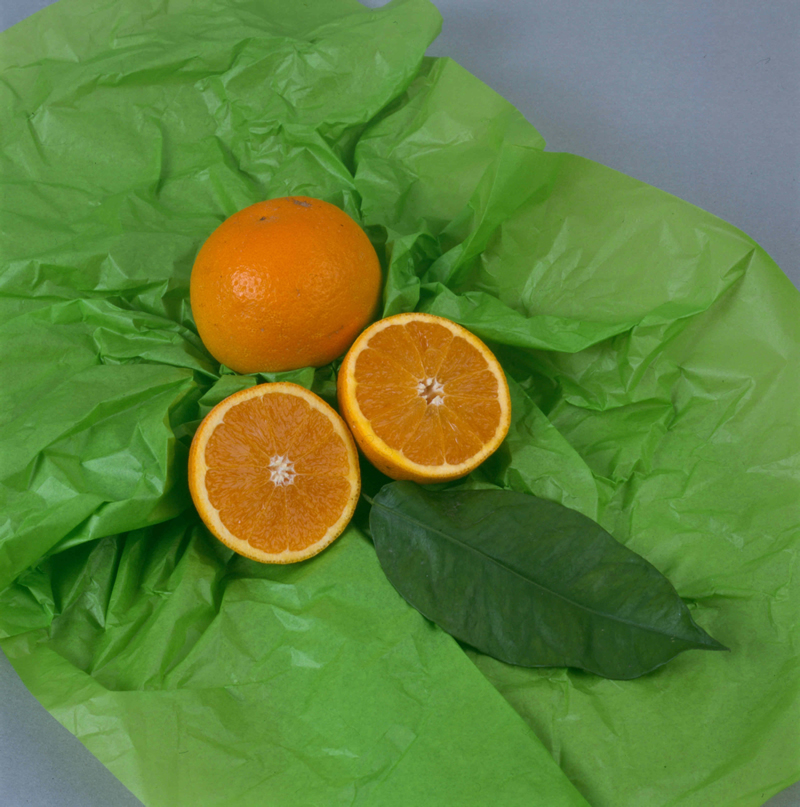
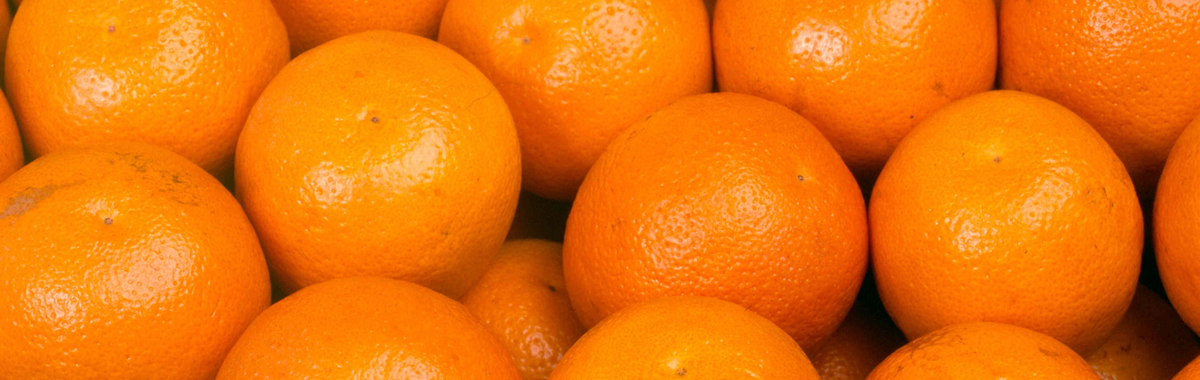
Description: Fruit of the species Citrus aurantium, L., C. Sinensis. The most common varieties in the region are the Baía or Umbigo and the Tua. It has round shape with rough, uniform, bright surface, with characteristic color of the variety. The diameter is more than 6 cm, and the shell can reach a maximum thickness of 2 to 3 mm. Inside it is orange, with fibrous pulp, without seeds and with a lot of juice (the minimum percentage of juice is 33%).
Region: North.
Particularity: Fruit with a very sweet, pleasant and characteristic flavor.
History: The name of the fruit seems to be of Persian origin but it was the Arabs who introduced the orange to the peninsula. In the report presented to the General Council of the District of Bragança by the Civil Governor Councilor, Jerónymo Abreu e Lima (1871) it is stated: «... Alfândega da Fé produced 78 million for the country's consumption; Carrazeda de Ansiães produced 90 million for consumption in the country; Freixo de Espada à Cinta produced 80 million for the country's consumption; Moncorvo produced 80 million for the country's consumption and Vila Flor produced 20 million for the country's consumption». More than 60 years ago, J. Vasconcellos reported that «the Portuguese would have some influence on the new introduction of the orange in Europe, from the fifteenth to the sixteenth century». The Douro Orange is referred to by Menezes Cordeiro, when he says «... it is produced from the best orange in the country, such as the famous one from S. Mamede, the one from Vale de Vilariça, the one from Cardanha and the one from Adeganha». Other authors (Sant'Anna Dionísio, M. Mendes, A. Teixeira, for example) also write: «In other times it would be rare the time of day when in this stretch of the Douro one could not see a rabelo boat loaded with kites or oranges on its way to Vila Nova de Gaia or Porto» and Um velho estadista said... that having visited the most varied agricultural areas in the world... he had found nothing that impressed him as much as the use of the wild slopes of the Douro... the construction of these altars and nativity scenes, dressed in olive trees, almond trees, vineyards and orange groves». Jacob Neto also refers in the report «A Quinta Districtal» of 1869 to the largest producers in the region in the orange Carrazeda, Moncorvo, Alfândega and Freixo — the latter exporting a large part to Spain».
Use: As a dessert or at any time of the day and in the production of jam.
Know-how: Orange cultivation requires locations with sunny exposure and sheltered from cold winds. That is why orange groves are located in valleys or at the foot of mountains, because a single frost is enough to destroy the orange trees. It also requires loose, deep, irrigated soils. In this region, the orange grove can occur on its own or associated with other fruit trees. The organoleptic characteristics, which are easily perceptible and recognised by regular consumers, depend on the soil and climatic conditions and the know-how of the population. The fruits can remain on the trees for long periods so that the determination of the harvest date does not present any difficulties: oranges are harvested when their epidermis has reached the color of the variety. Only whole, healthy fruits, free from damage, external alterations, strange odours and abnormal external humidity are selected. The oranges are packed immediately after harvest in nondeformable boxes that allow the fruit to be seen without violating the packaging.
Source: Produtos Tradicionais Portugueses, Lisboa, DGDR, 2001
