



 Português
  English (UK)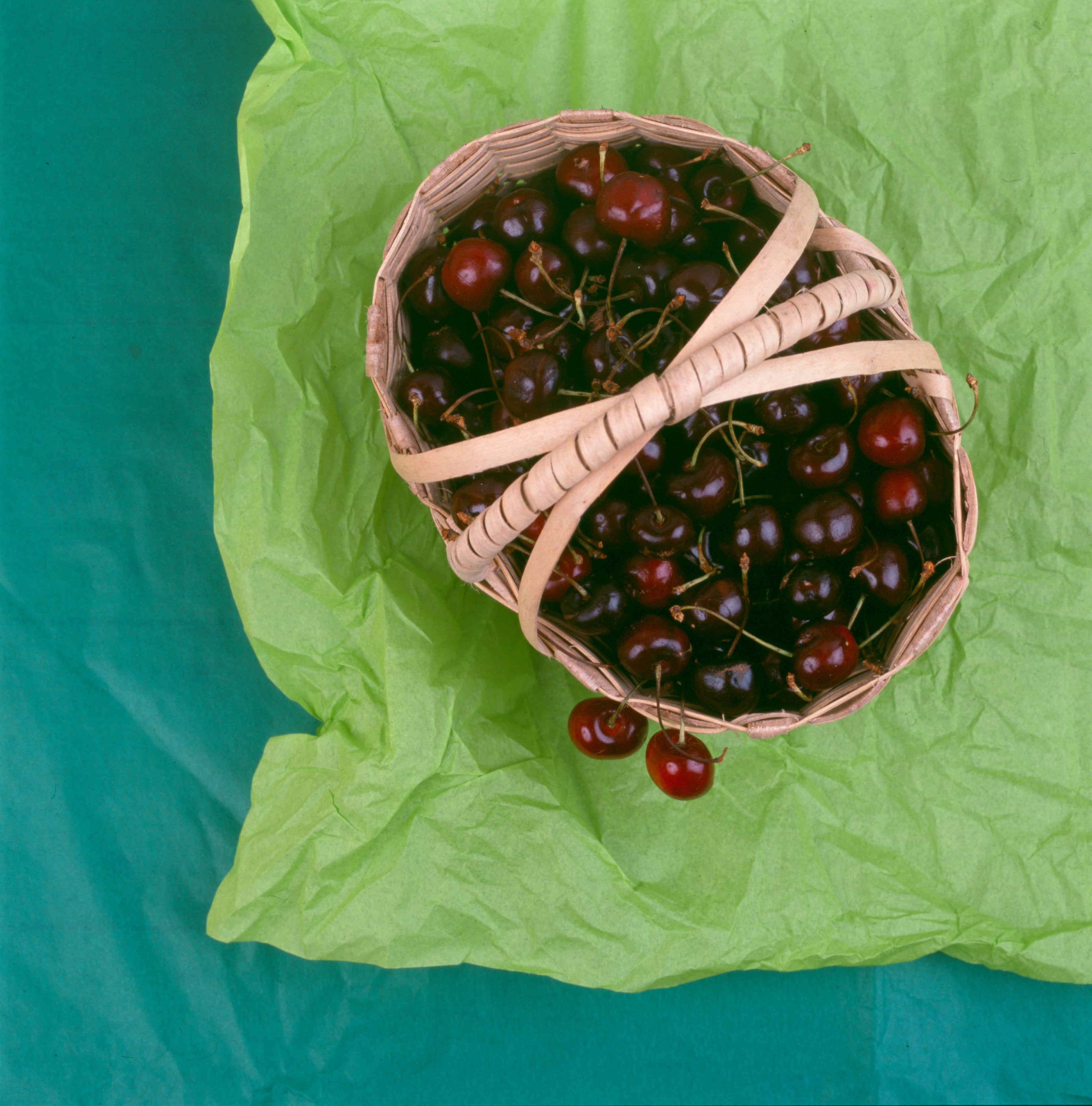
Description: Cherry of the regional varieties Braga, Rabicha, Távora, de Saco and Lisboeta. The fruit has a round cordiform shape, with an average dimension of 24 mm and a weight of 7 g. Red fruit, rigid texture and with some acidity.
Region: North.
Other appellations: Douro Cherry.
Particularity: Red cherry, early, with excellent organoleptic properties.
History: The cherry culture in the Douro Valley is ancestral, as witnessed by a document from 1531 in which Rui Fernandes, keeper of the lands of King João III, communicates to D. Fernando, bishop of Lamego, the existence of «... many and very fermosas cereas that come to sell to this city, which cereals begin in April and end in September. The cherries start in the Ribeira do Douro in the month of April until May; and the end of May, the ones of this city that is a temperate land begin, in the middle and last until the whole of June». The saying is also very old: «What does your father do in May? Eat tarry cherries." Pedro Augusto Ferreira, bachelor in Theology and abbot of Miragaia, born on November 14, 1831, says: «... Penajóia - my birthplace, a parish in the municipality of Lamego, well known as the land of cherries... they are also the oldest in the entire Douro».
Use: It is a very old custom to go to the Feira de Santa Cruz, which is held annually in Lamego, or to the feast of the 4th Sunday of May in Santa Maria de Carquere, to buy the «rocas de cerejas» (bunches of cherries attached by the peduncle to a cane, leaving the whole with the appearance of spinning wheels).
Know-how: Penajóia is considered a «... village of white houses scattered in the geios of the vineyards and among the best cherry orchards in Portugal». The regional varieties of Prunus avium described above are grown in rainfed conditions, at an altitude of 350 m in schist soils. The usual caliper is 4,5x2 m but varies depending on the rootstock used. The cherry tree can also be planted in the border of fields or associated with the vineyard. The fruit ripening season starts from April 15th or 25th, depending on the weather, and lasts until June with a ripening peak in mid-May, when the Cherry Festival in Penajóia takes place. The method of production is characteristic of this crop, with the particularity of practically not requiring phytosanitary treatments due to the good soil and climatic conditions existing in the region.
Source: Produtos Tradicionais Portugueses, Lisboa, DGDR, 2001
