

 Português
  English (UK)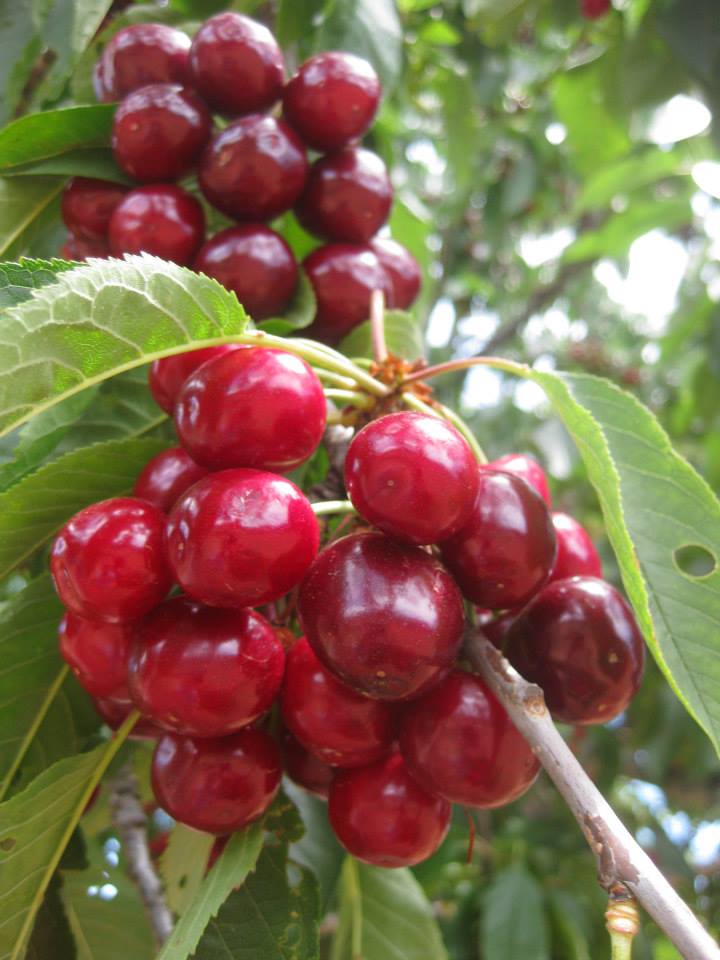
Description: This type of cherry comes from cultivars resulting from the crossing of the wild cherry tree (Prunus avium L.) with the native varieties of the Portalegre area. It is a black cherry, with marked pigmentation in the pulp, well visible when cutting and chewing, with a very sweet flavor, round shape, long stalk and with an average weight between 5 and 8 grams.
Production method: The soil and climatic characteristics of the region are so striking that they have provided the existence and development of a local variety of cherry. It is this variety that, grafted on wild cherry, gives rise to a unique cherry, whose quality also derives from the care and local uses, loyal and constant placed in its culture. The cherry tree is not associated with other crops or with silvo-pastoralism. One crop is carried out in November, February or April and, in rainy years, one in July. Phytosanitary treatments are applied at three different times according to the physiological state of the tree (beginning, middle and end of leaf fall). Fertilizers based on phosphorus, magnesium and boron can be used in fertilization. A green pruning is carried out (June) and a formation pruning in spring. Production begins in the second half of June and lasts until the end of July, in higher altitude areas. The cherry is harvested directly from the tree, taking into account the state of maturity of the variety.
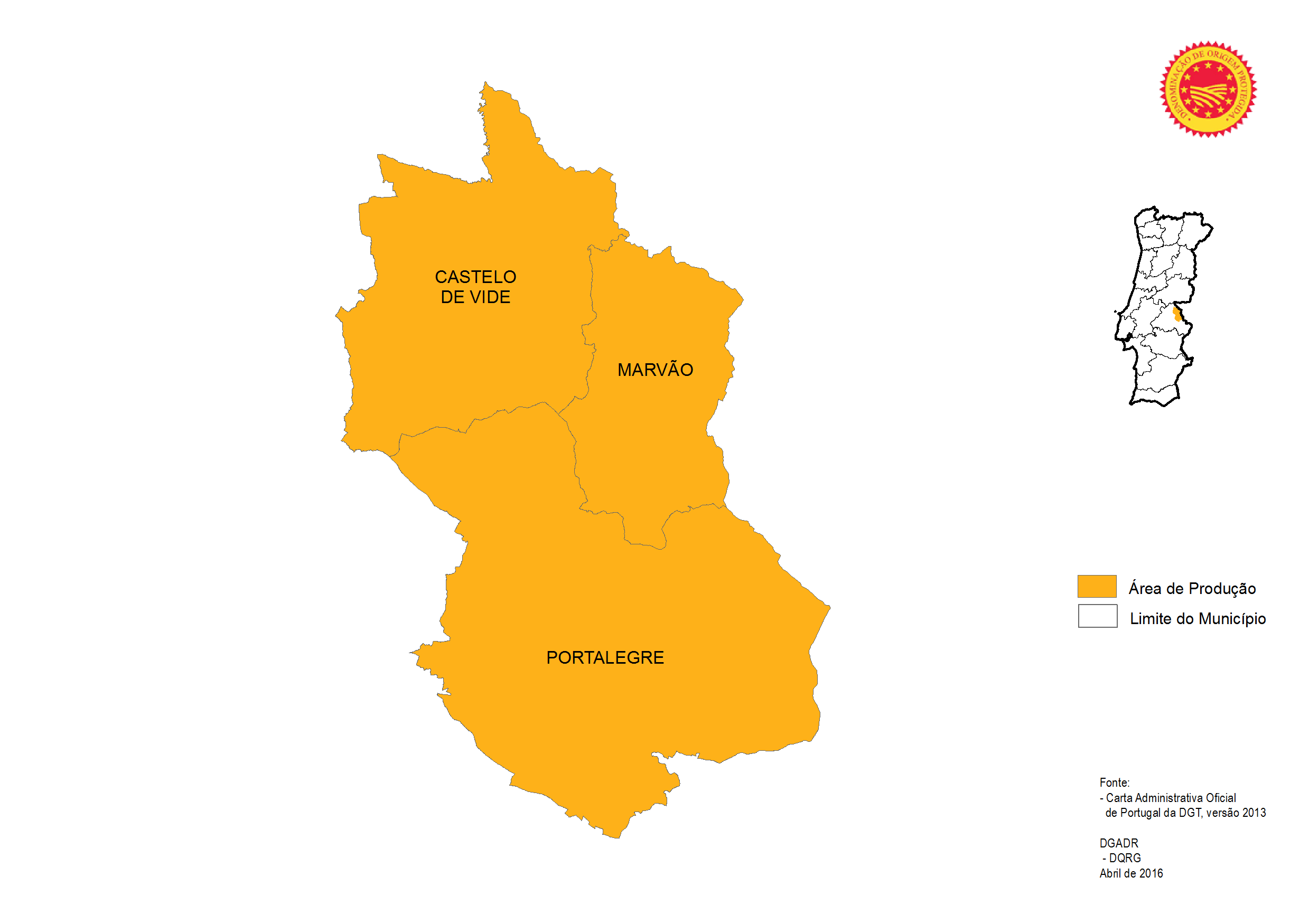
Production area: The geographical area of production is limited to the municipalities of Marvão, Castelo de Vide and Portalegre.
History: For many years in this park, the people of S. Mamede have discovered how easy it is for this fruit tree to adapt to our climate. It was common to hear about places such as Vale do Ródão, Ribeira de Nisa, Monte Carvalho and S. Julião, as well as people – José Mimoso, Batista Vaz or Isidoro Maria Tavares Castelhano and many others, all of them cherry producers, as their parents already were. The rural exodus, the increase in the price of labor and the lack of buyers have caused some orchards to deteriorate and even be lost. However, it is still easy to find specimens with 30 and 40 years old that have survived to this day and are still in production.
Product specifications (pdf)
Control and certification body
AGRICERT, Certificação de Produtos Alimentares, Lda.