







 Português
  English (UK)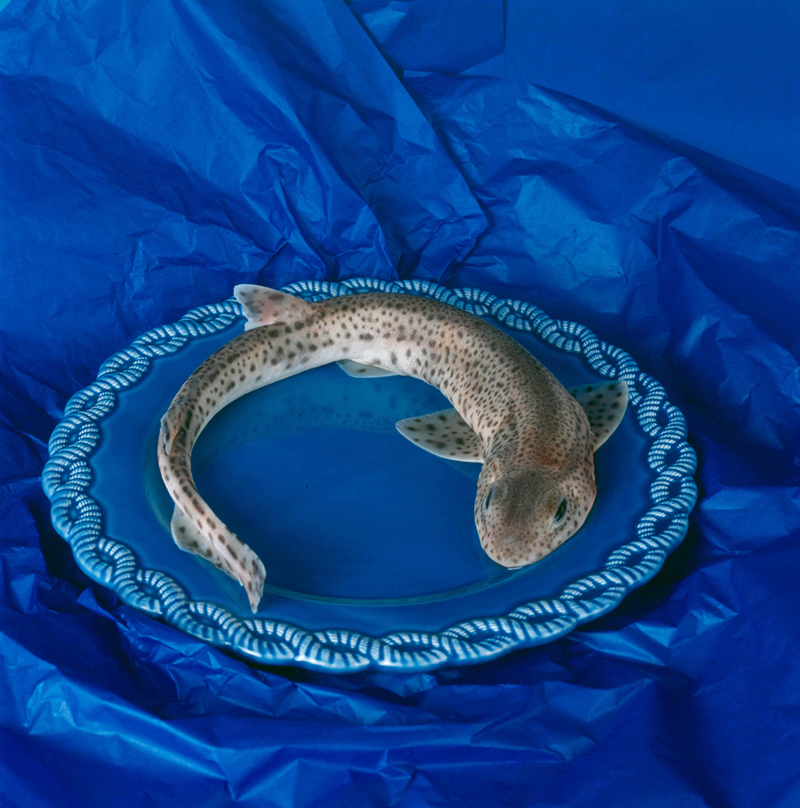
Description: Elongated body, thinned to the back. The gill openings are close to the mouth. They measure about 1m at most, have two small dorsal fins and the skin has small brownish spots and very close together. Its weight is about 1 kg.
Region: North.
Other denominations: Purple spot, tick, cat, caneja.
Variety: In the South, instead of cascarra, dogfish is usually used.
Special feature: Fish of the flounder family.
History: It is part of the uses of fishing regions, and it is customary to eat it at Christmas dinner, for a symbolic and traditional matter. The history of Cascarra is part of the history of human food and the need to preserve fish for the winter months, when boats could not go to sea.
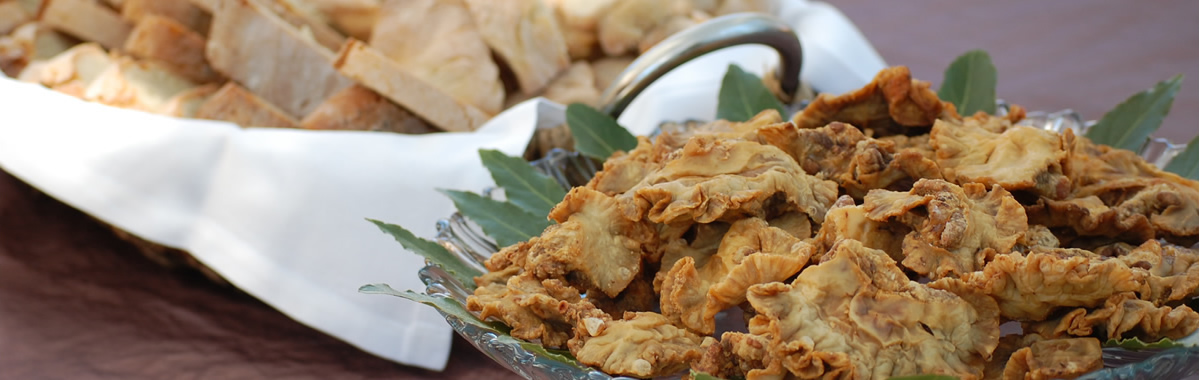
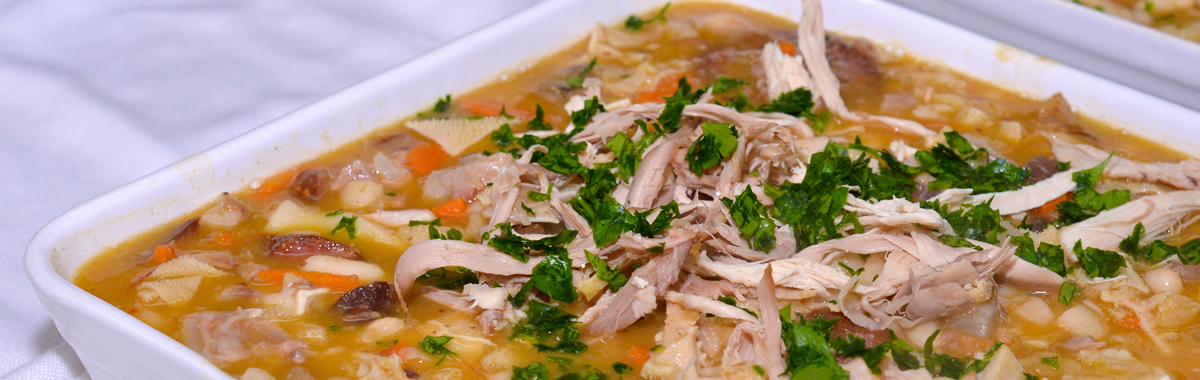
Use: Usually consumed with meals and, especially, at Christmas dinner in the northerners. However, outside this region, for example in the Alentejo, where this fish was rare, dogfish is consumed as cascarra in a very typical dish — dogfish soup — since this fish, after being skinned, has characteristics similar to those of the cascarra. In the past, this dish was made with salted dogfish and today it is made with fresh fish.
Know-how: The fish is scaled, that is, headed, gutted, flattened and cleaned. It is then immersed in a brine for 30 min to 1 h. It is washed in fresh water and left to dry in the morning sun or late afternoon sun (it is not exposed either during the hottest hours or at night). In this way, it takes at least 15 days to dry, and it can then be kept in a dry place. When it is time to consume, it is soaked in water, then scalded to remove the skin, which is very hard and rough. Only after this can you cook. Its fishing is done in artisanal molds, about 3 to 4 km from the coast, using large hooks with buoys. The line has a 20 to 25 cm tip in 2 mm steel and the hook is large. Fishing is carried out all year round.
Source: Produtos Tradicionais Portugueses, Lisboa, DGDR, 2001
